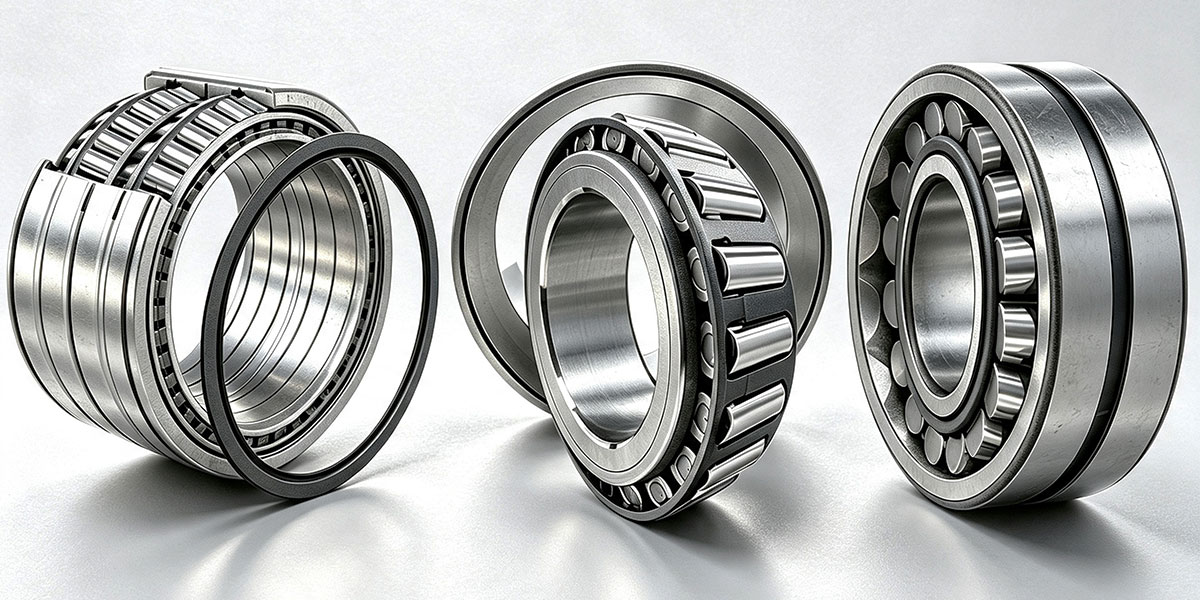
Bearings are essential mechanical components used in a wide variety of applications, from household appliances to industrial machinery, and even in the transportation sector. Their primary function is to reduce friction between moving parts, thereby enabling smoother motion and extending the life of the machinery. With technological advancements, bearings have evolved to meet the demands of modern engineering, offering higher efficiency, durability, and specialized applications.
This article provides an in-depth look at the types of bearings, their various applications, and emerging trends that are shaping the future of bearing technology.
What Are Bearings?
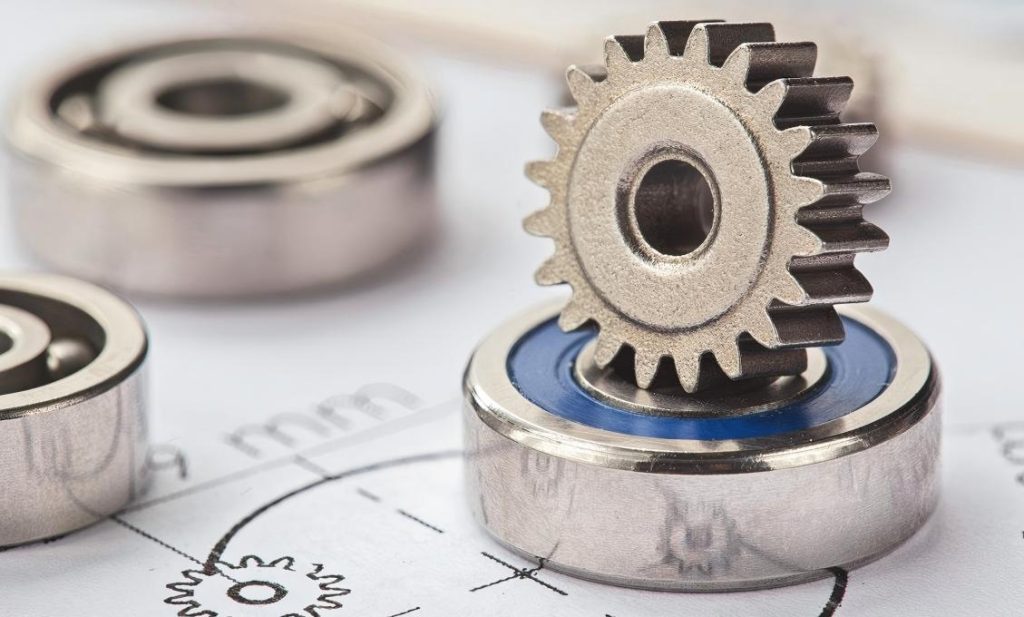
A bearing is a machine element that constrains relative motion to only the desired motion and reduces friction between moving parts. The simplest type of bearing is the plain bearing, which is just a smooth surface on which a shaft rotates. However, the modern world uses more sophisticated types, such as ball bearings and roller bearings, which reduce friction more effectively and support both radial and axial loads.
Types of Bearings
There are numerous types of bearings, each designed to handle specific loads and motion types. The most common types include:
Ball Bearings:
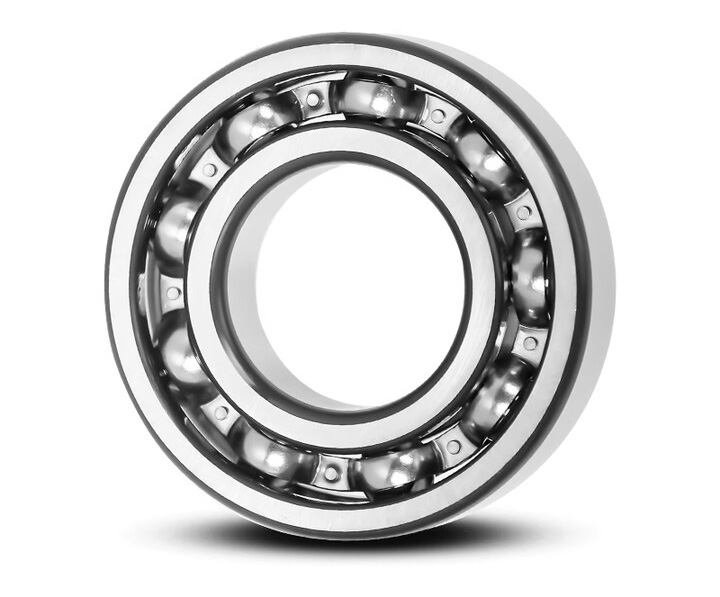
Ball bearings are the most common type of bearing, featuring balls between two races (rings) that distribute loads across the bearing.They are widely used in applications where low friction is required, such as in skateboards, hard drives, and electric motors.Ball bearings are capable of handling both radial and axial loads and are known for their smooth operation and durability.
Roller Bearings:
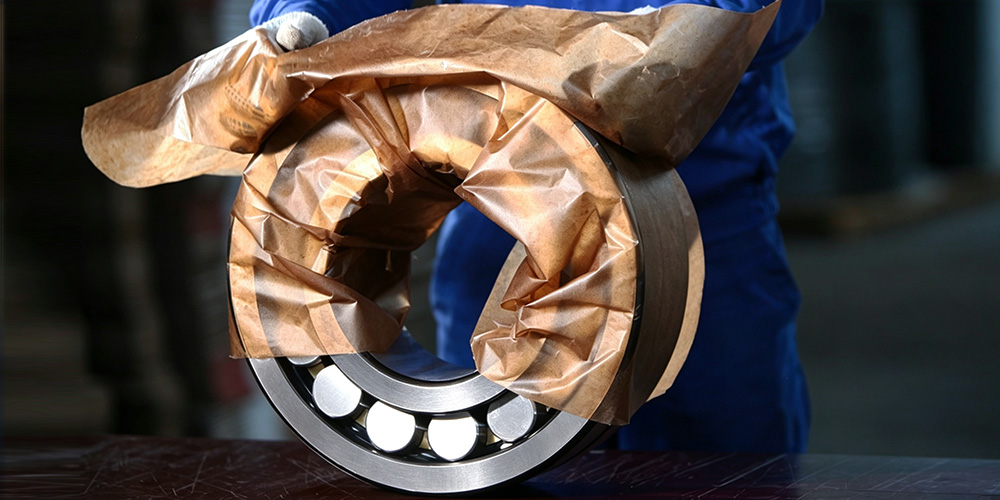
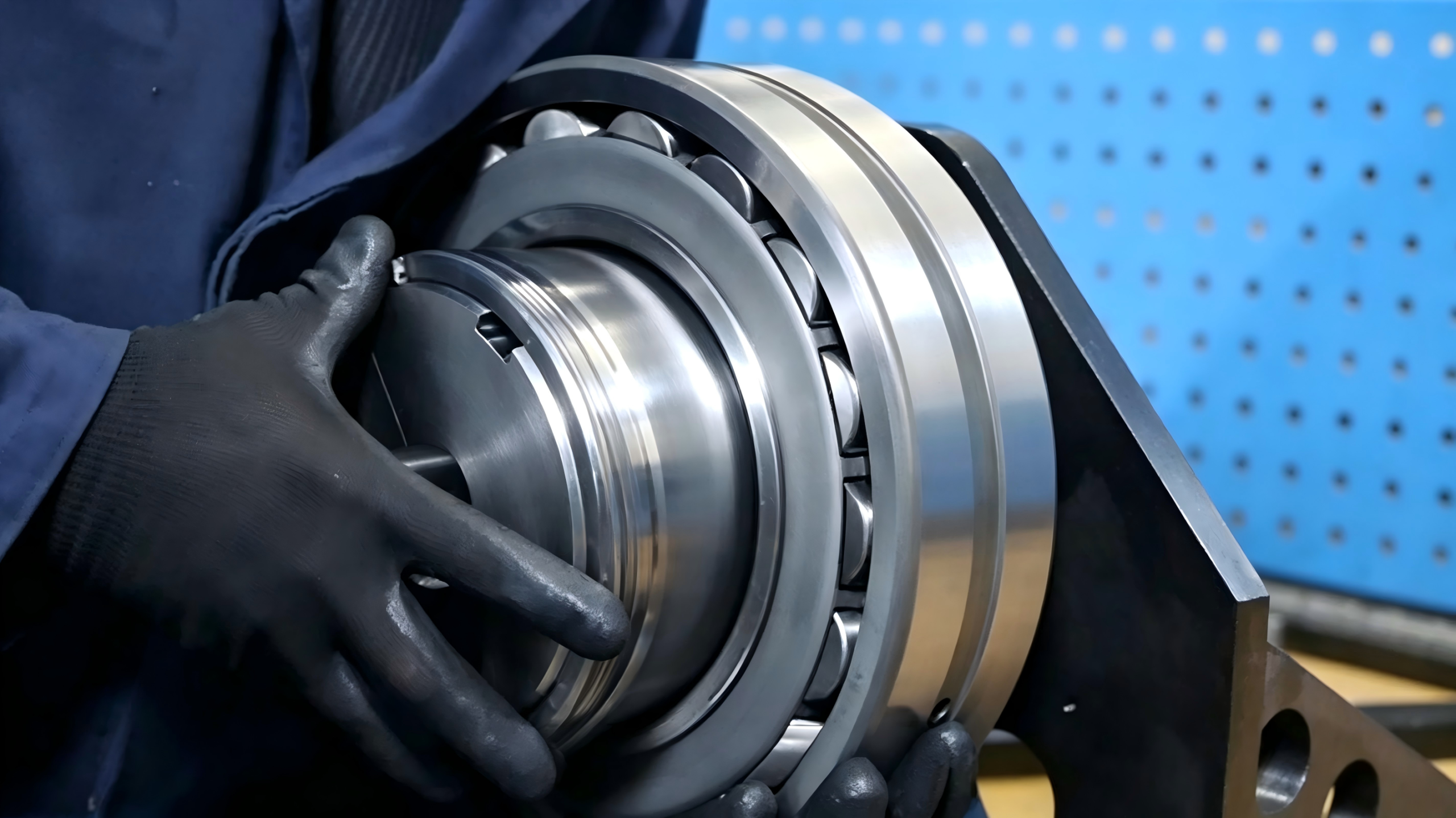
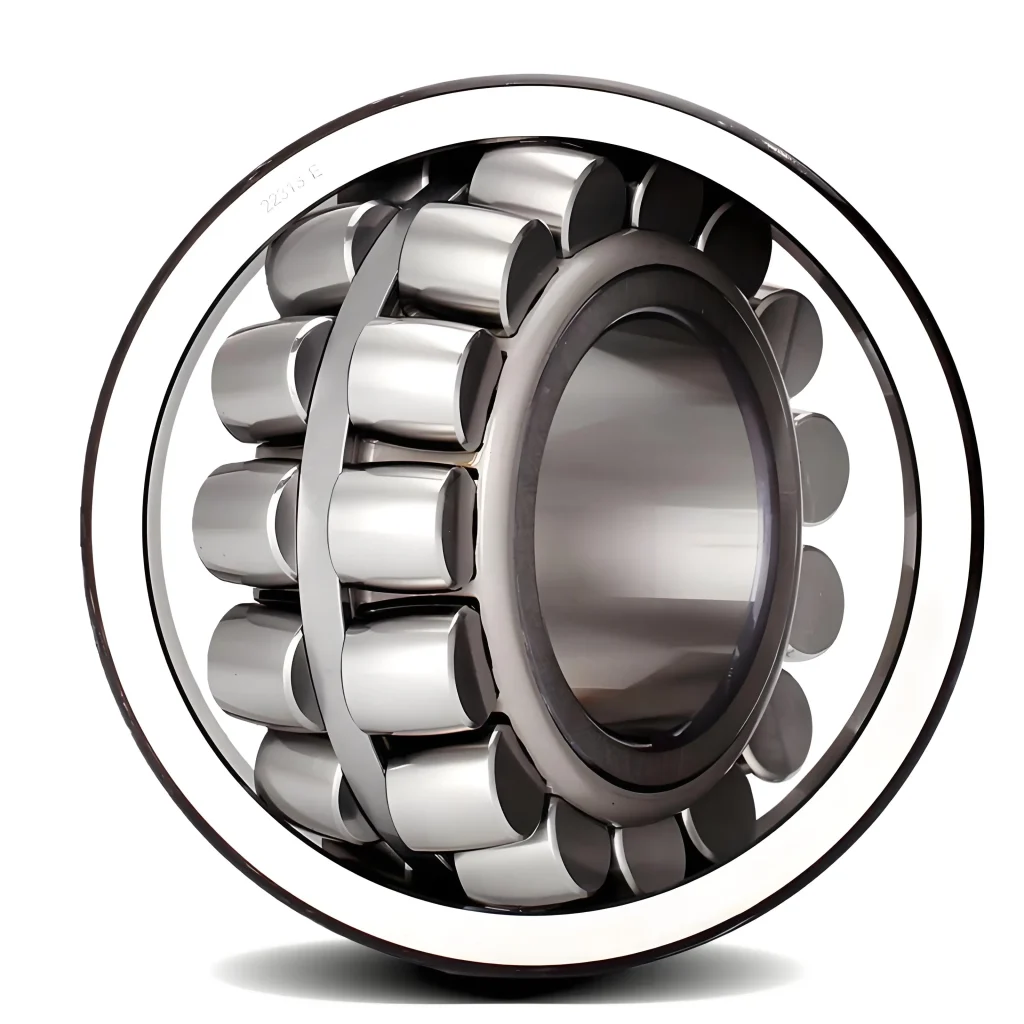
Roller bearings use cylindrical rollers instead of balls to maintain the separation between moving parts. They come in several subtypes, such as cylindrical, tapered, and needle roller bearings.Commonly found in heavy-duty applications like conveyor belt rollers, automotive gearboxes, and large industrial machinery.These bearings can handle higher loads compared to ball bearings, making them suitable for high-stress applications.
Thrust Bearings:
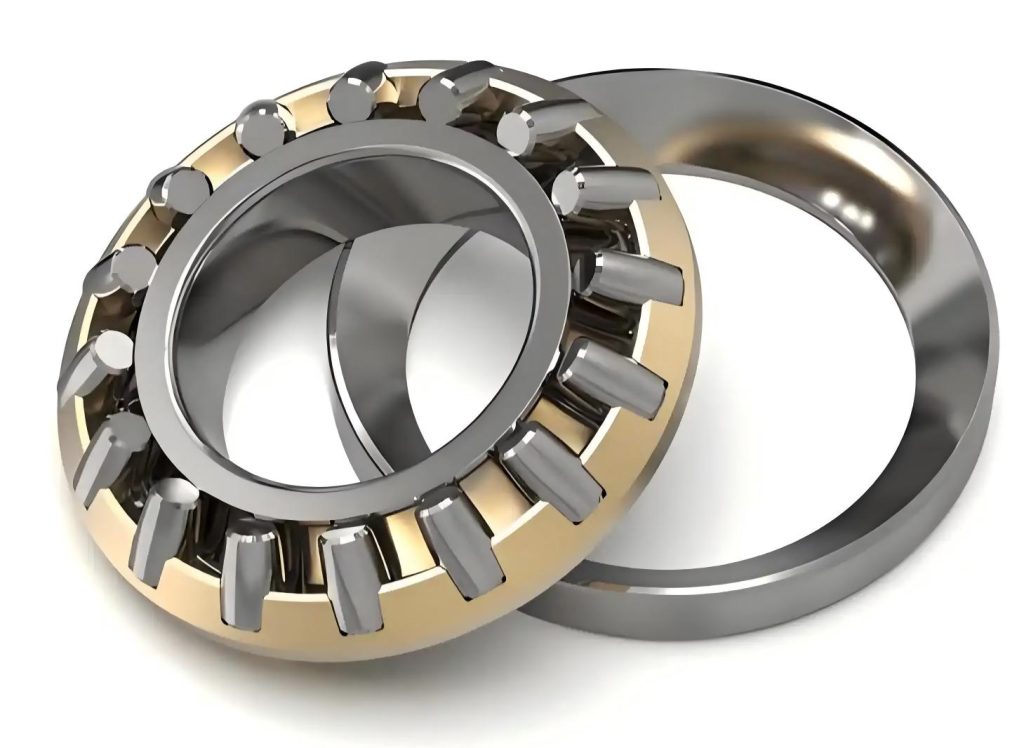
Thrust bearings are designed to handle axial loads, which are forces parallel to the axis of rotation. They can be found in ball and roller variants.Used in automotive applications, such as in the steering assembly, as well as in aerospace and marine applications.
Thrust bearings are effective in managing axial forces and are commonly used in situations where axial load capacity is critical.
Plain Bearings (Bushings):
Plain bearings, also known as bushings, consist of a simple surface that slides against another surface, usually lubricated to reduce friction.Used in applications with high load capacities but low speeds, such as in hinges, agricultural machinery, and automotive suspension systems. These bearings are simple, economical, and can handle large loads.
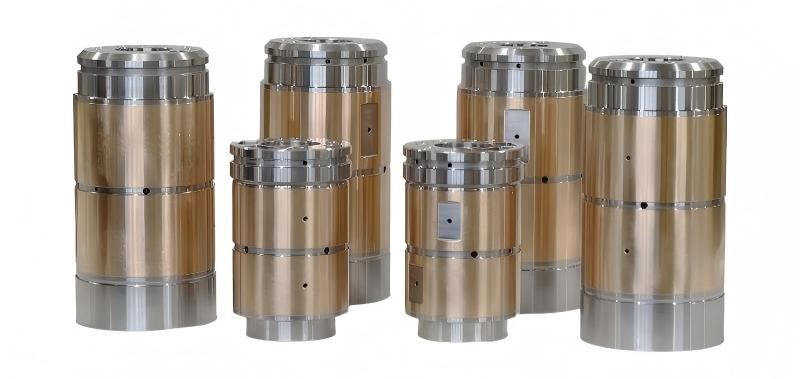
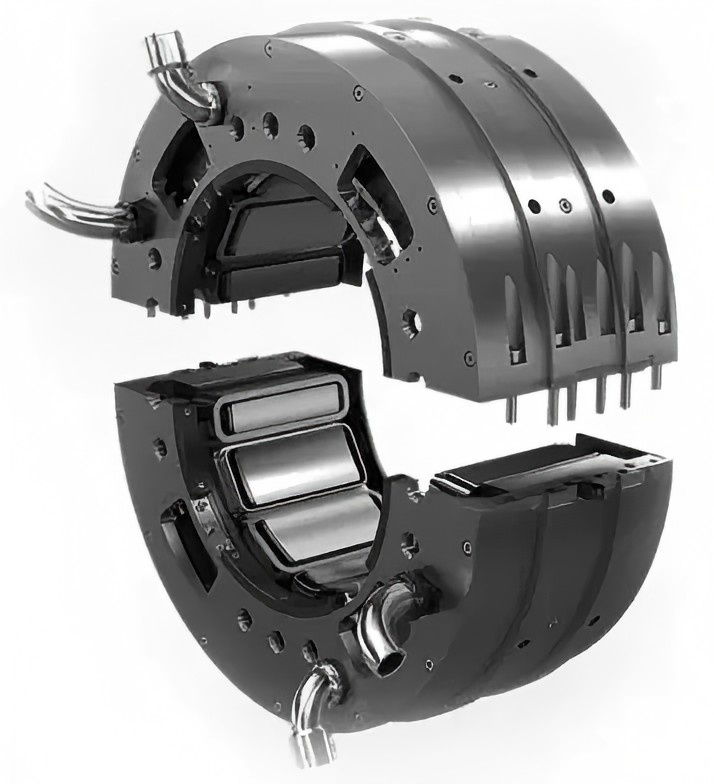
Magnetic Bearings:
Magnetic bearings support moving parts without physical contact by using magnetic fields to keep the parts separated.Used in high-speed applications where friction must be minimized, such as in flywheels, turbines, and some medical equipment.Since there is no physical contact, magnetic bearings experience no wear and can operate at very high speeds with little maintenance.
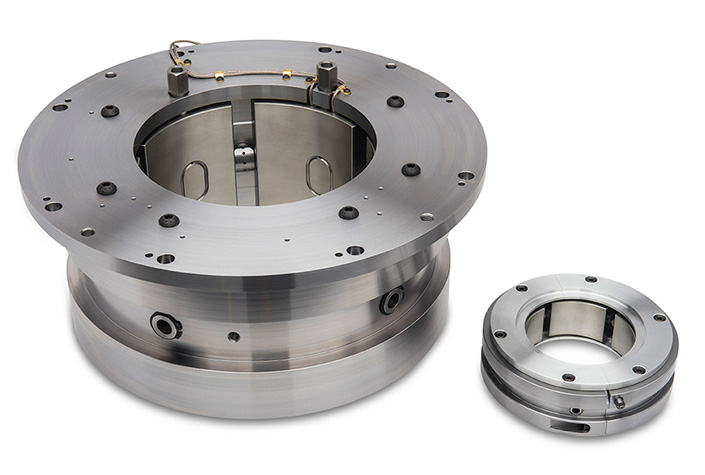
Fluid Bearings:
Description: Fluid bearings use a thin layer of fluid, either liquid or gas, to support the load. The fluid layer provides a very low friction environment.Found in high-precision instruments, such as gyroscopes, and in certain types of turbines and compressors.Fluid bearings can operate at extremely high speeds with minimal friction and can handle both radial and axial loads effectively.
Applications of Bearings
Bearings are ubiquitous in modern engineering and can be found in various applications across different industries:
Automotive Industry:
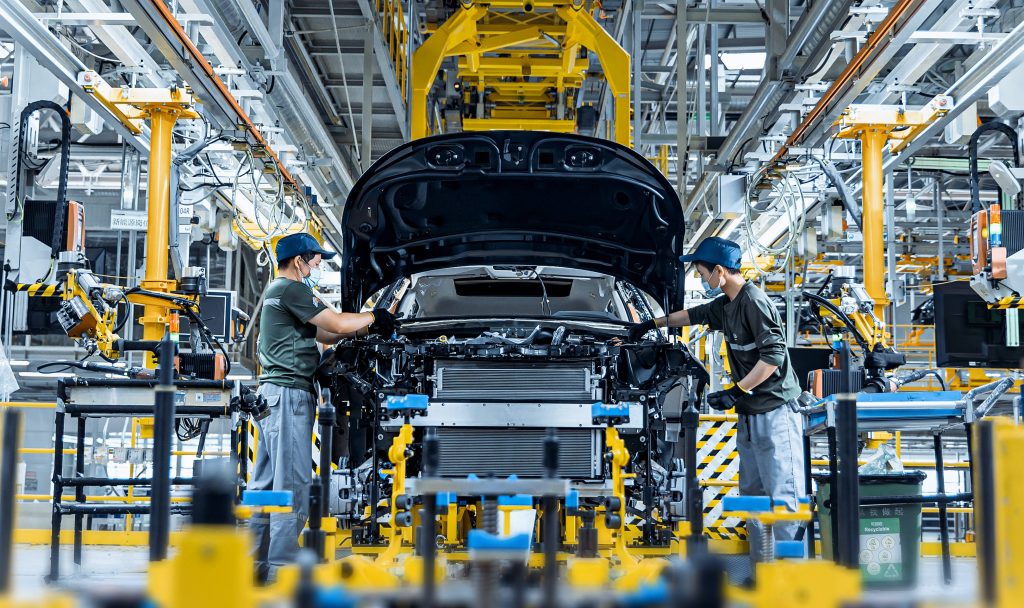
Bearings are critical in automotive applications, ensuring the smooth operation of wheels, transmissions, and engines. They help in reducing friction, improving fuel efficiency, and increasing the lifespan of vehicle components.Wheel bearings, engine bearings, and transmission bearings are some common examples in the automotive industry.

Aerospace Industry:
In aerospace, bearings must endure extreme conditions, including high speeds, temperature fluctuations, and significant loads.Bearings are used in jet engines, landing gear assemblies, and control surfaces, where reliability and precision are crucial.
Industrial Machinery:
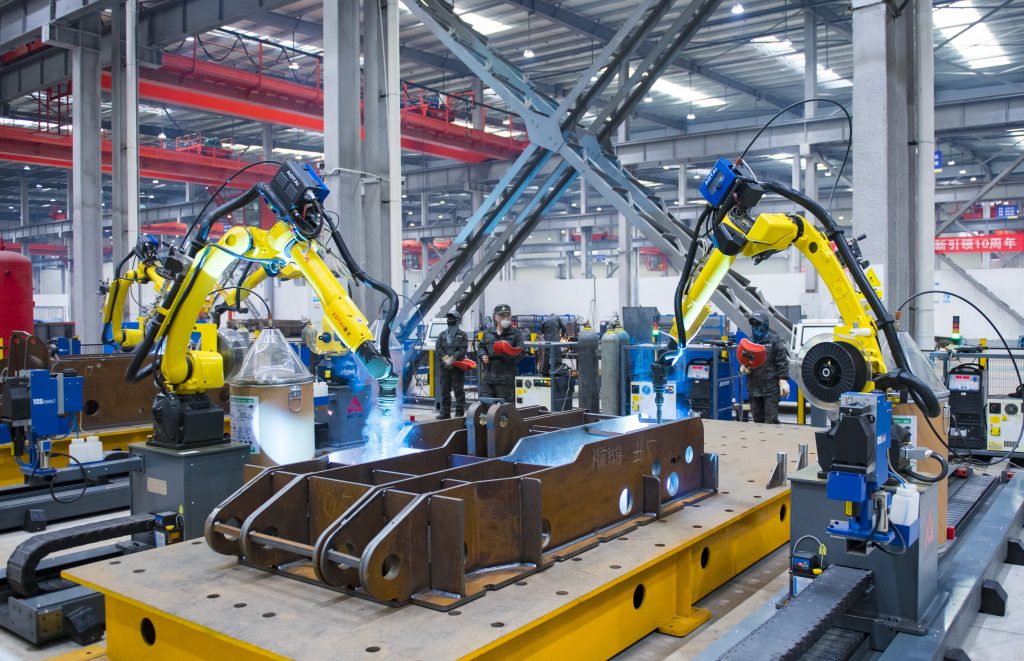
Industrial machinery relies heavily on bearings to support heavy loads and facilitate motion in manufacturing processes.Bearings are used in conveyor systems, pumps, gearboxes, and various types of industrial equipment.
Electronics and Appliances:
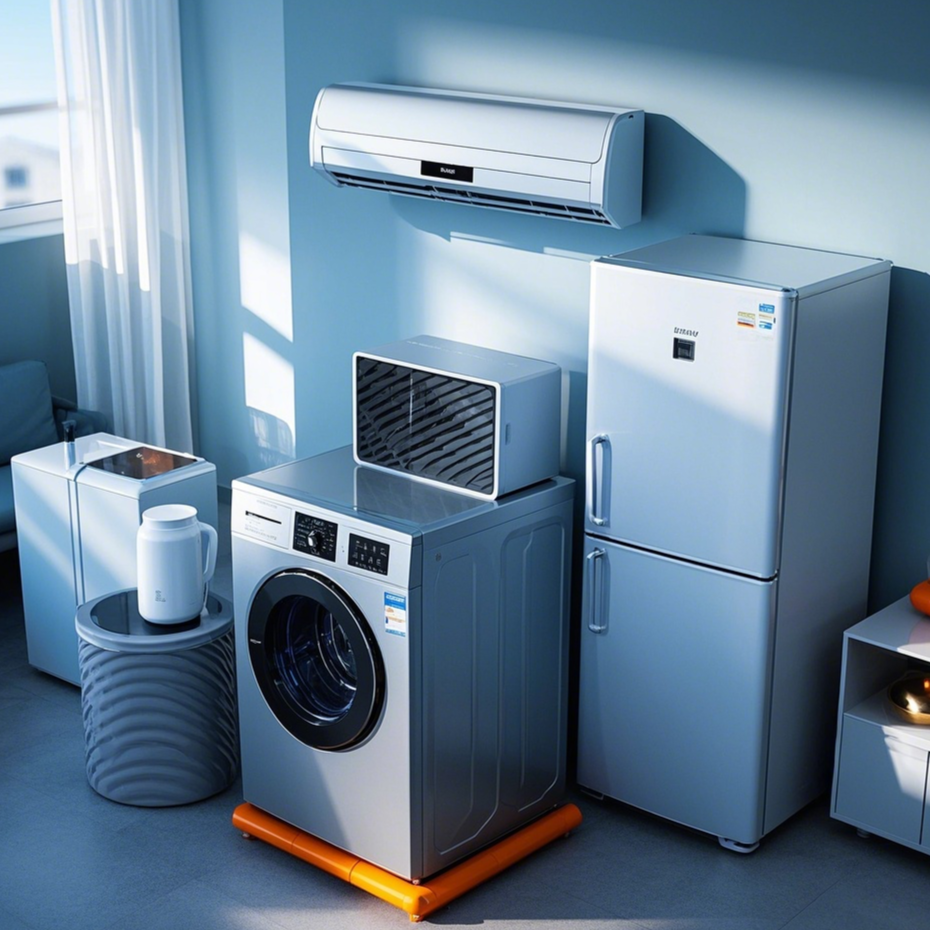
In consumer electronics and household appliances, bearings enable the smooth operation of rotating components with minimal noise.
Examples: Hard drives, fans, washing machines, and air conditioning units commonly use ball bearings.
Renewable Energy:
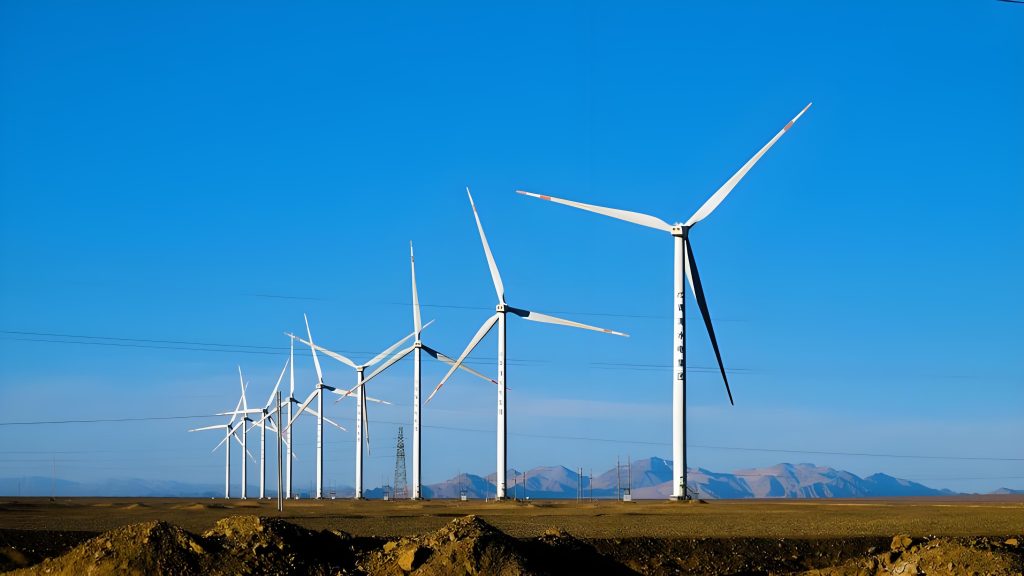
Bearings play a crucial role in renewable energy systems, such as wind turbines and solar trackers, where they must withstand harsh environmental conditions and variable loads.Wind turbine main shaft bearings and pitch and yaw bearings are critical components in the renewable energy sector.
Challenges in Bearing Technology
Despite their widespread use and advanced technology, bearings face several challenges that engineers must address to enhance performance and reliability:
Friction and Wear:
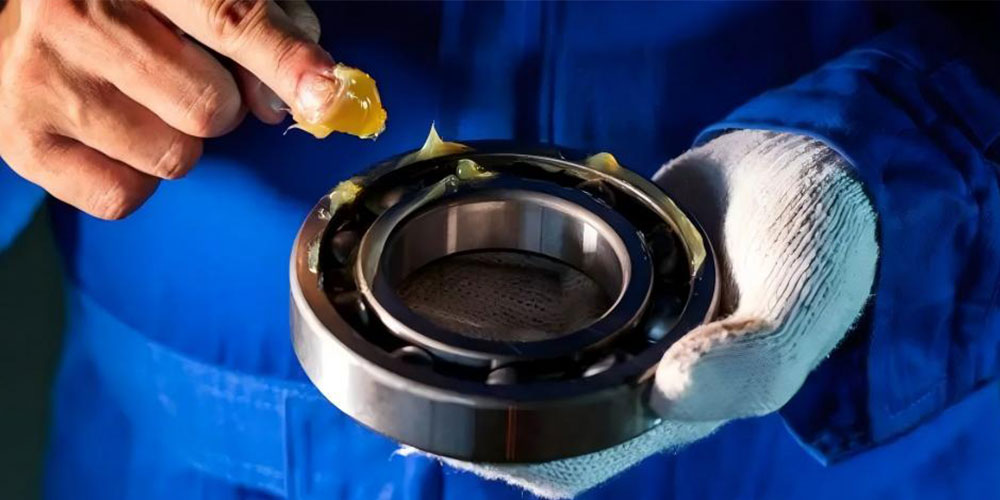
Even with advanced lubrication, friction and wear remain persistent challenges. Engineers are constantly working to develop new materials and lubrication techniques to reduce these effects.
Heat Generation:
Bearings, especially those in high-speed applications, generate heat due to friction. Managing this heat is critical to prevent premature bearing failure. Innovative cooling and lubrication systems are being developed to address this issue.
Contamination:
Bearings are sensitive to contamination from dust, dirt, and moisture. Sealed bearings and advanced filtration systems help mitigate contamination risks, but they require careful maintenance.
Load Capacity and Fatigue:
Bearings must be designed to handle specific load capacities. Overloading can lead to fatigue and eventual failure. Engineers use advanced simulation tools and materials science to improve bearing load capacity and fatigue resistance.
Noise and Vibration:
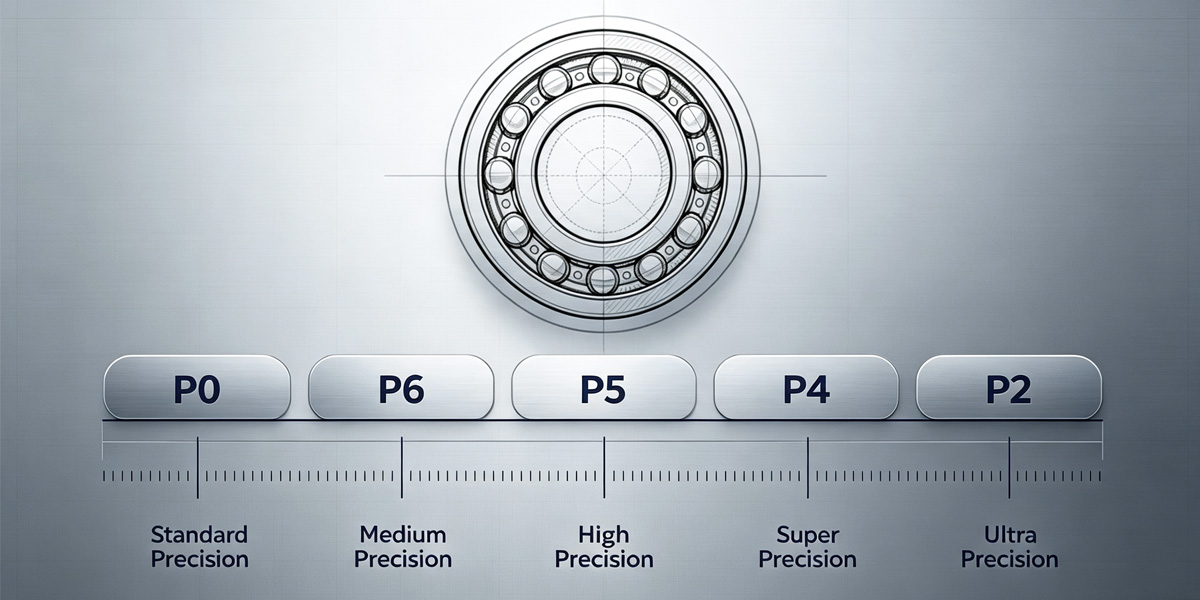
In applications where noise and vibration are concerns, such as in household appliances and automotive systems, bearings must be designed to minimize these factors. Advanced materials and precision manufacturing techniques are employed to reduce noise and vibration.
Future Trends in Bearing Technology
The bearing industry is continuously evolving to meet the demands of modern engineering and industry trends. Several emerging trends are shaping the future of bearing technology:
Smart Bearings:
Smart bearings equipped with sensors can monitor their own condition, providing real-time data on temperature, vibration, and lubrication levels. This data can be used for predictive maintenance, reducing downtime and extending bearing life.
Advanced Materials:
The development of new materials, such as ceramics, composites, and high-performance polymers, is allowing bearings to operate in more extreme conditions, including high temperatures, corrosive environments, and high-speed applications.
Sustainable Bearings:
As industries focus on sustainability, there is a growing demand for bearings made from environmentally friendly materials and those that require less lubrication, reducing environmental impact.
Miniaturization:
In electronics and precision machinery, the trend towards miniaturization is driving the development of smaller, more precise bearings that can operate reliably in compact spaces.
Additive Manufacturing:
Additive manufacturing, or 3D printing, is beginning to impact the bearing industry, allowing for the production of complex bearing designs that are not possible with traditional manufacturing methods. This can lead to custom solutions tailored to specific applications.
Hybrid Bearings:
Hybrid bearings, which combine different materials like ceramic balls with steel races, offer improved performance in terms of speed, wear resistance, and corrosion resistance. These are increasingly being used in demanding applications like electric vehicles and aerospace.
Bearings are a cornerstone of modern engineering, enabling the smooth operation of machinery across various industries. As technology advances, so does the complexity and capability of bearing designs. From the development of smart bearings with embedded sensors to the use of advanced materials that extend bearing life and performance, the future of bearing technology is poised for significant growth and innovation.
Engineers and designers must remain abreast of these trends to select the right bearings for their applications, ensuring reliability, efficiency, and longevity in their machinery. As industries continue to push the boundaries of what is possible, bearings will remain a fundamental component in the pursuit of technological progress.