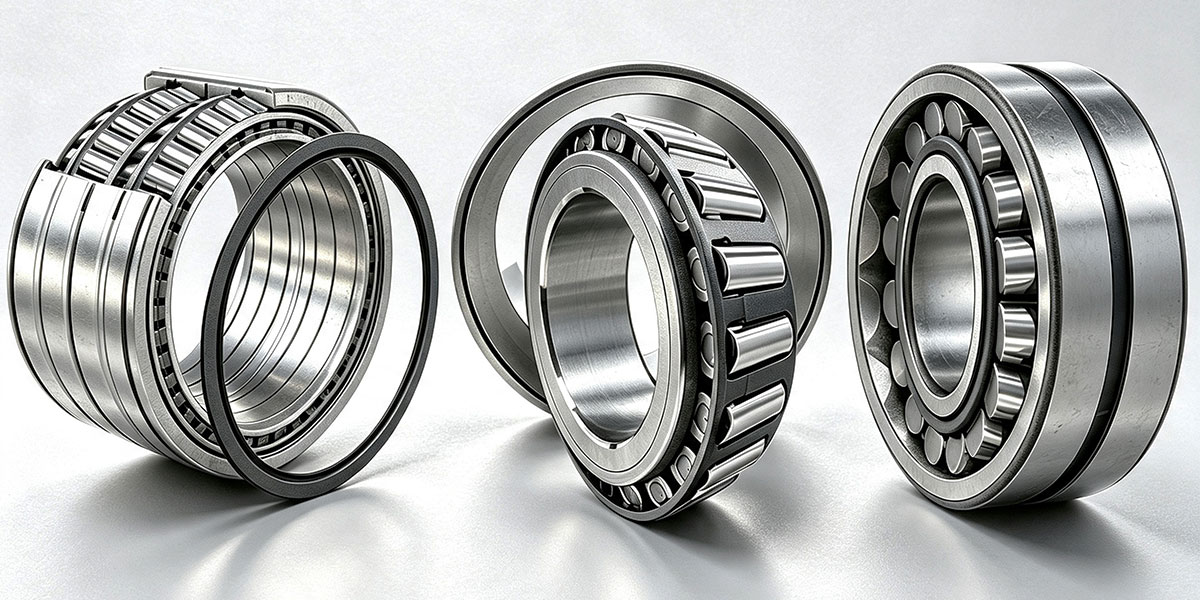
Bearing packaging is an essential step to protect bearing quality during storage and transportation. Even precision-manufactured bearings can suffer from corrosion, contamination, impact damage, or surface defects without proper protection.
A professional bearing packaging system helps protect products from:
- Moisture and corrosion
- Dust and contaminants
- Impact and vibration damage
- Improper handling during transportation
Proper packaging is especially important for export shipments, where bearings may experience long transit times, humidity changes, temperature fluctuations, and sea transportation conditions.
1. Why Bearing Packaging Matters
Bearings are precision components with highly finished raceways and rolling elements. Clean and undamaged surfaces are essential for smooth operation, low friction, and long service life.
Proper packaging helps:
- Prevent corrosion during storage
- Maintain dimensional accuracy and surface quality
- Protect against scratches and impact damage
- Extend storage life
- Ensure safe global transportation
Professional packaging is an important part of bearing quality control.
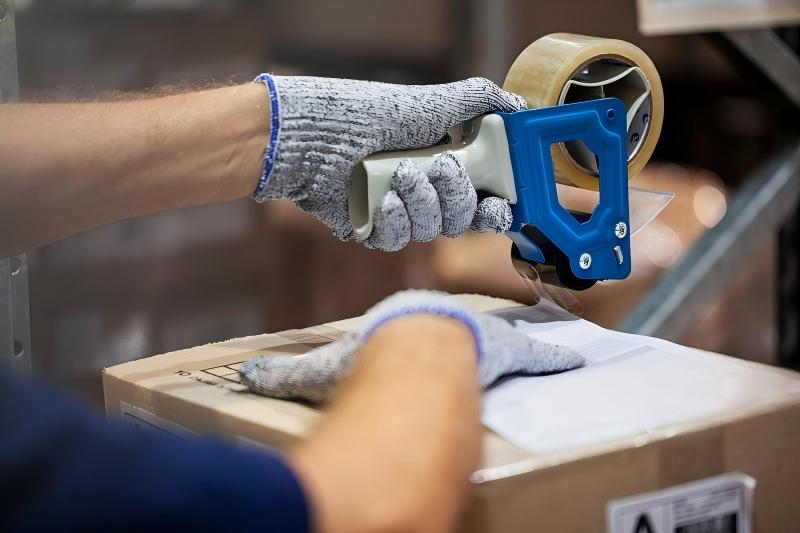
2. Bearing Cleaning & Anti-Rust Treatment Before Packaging
Before packaging, finished bearings are cleaned, dried, and protected against corrosion.
2.1 Cleaning Process
The cleaning process removes:
- Grinding particles and metal residues
- Dust and surface contaminants
- Cutting fluids and processing residues
A clean surface improves rust protection performance and ensures better product appearance.
2.2 Anti-Rust Protection
After cleaning and drying, bearings receive suitable anti-corrosion treatment according to storage and transportation requirements.
Common methods include:
- Thin-layer anti-rust oil coating
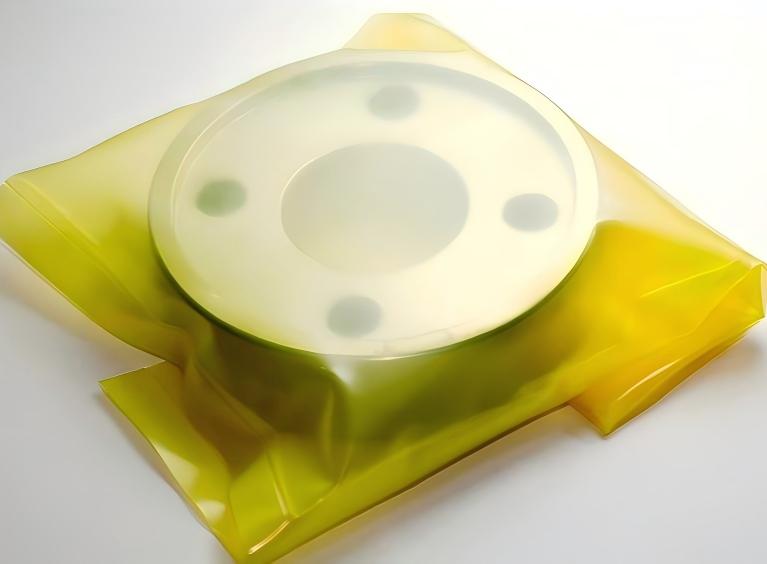
- VCI (Volatile Corrosion Inhibitor) packaging
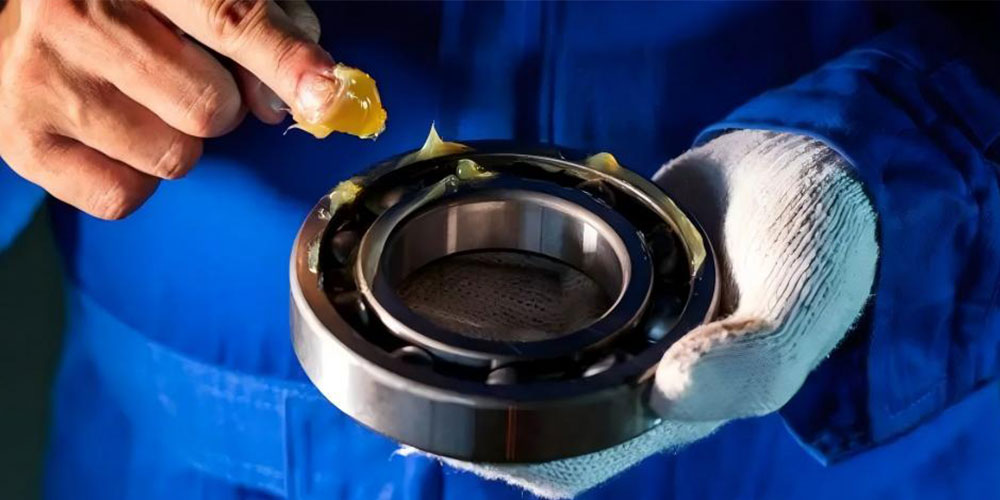
- Factory-filled grease in sealed bearings for additional corrosion protection
The protection method depends on:
- Bearing type
- Storage duration
- Transportation environment
- Customer requirements
Note: Additional grease should not be applied unless specified, as excessive grease may affect assembly cleanliness.
3. Common Bearing Packaging Methods
Different bearing sizes and applications require different packaging solutions.
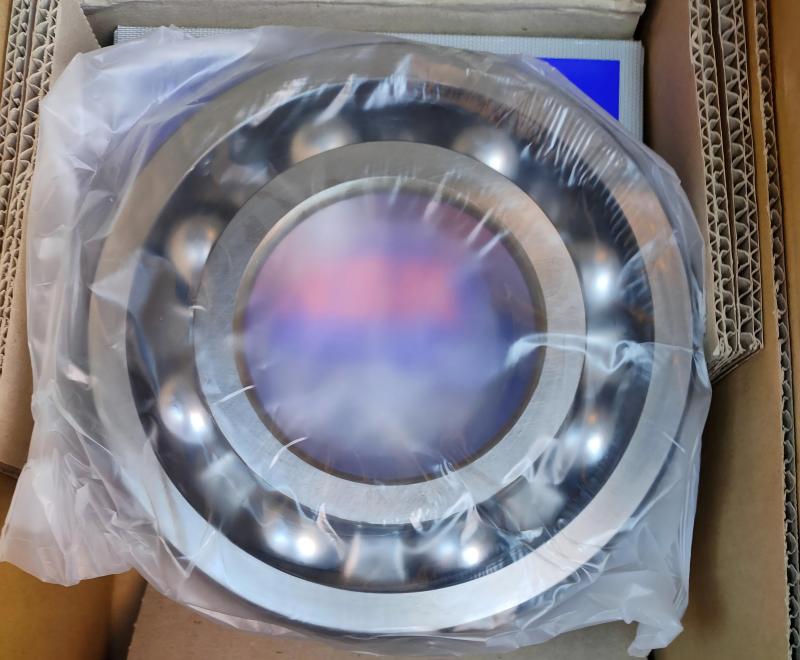
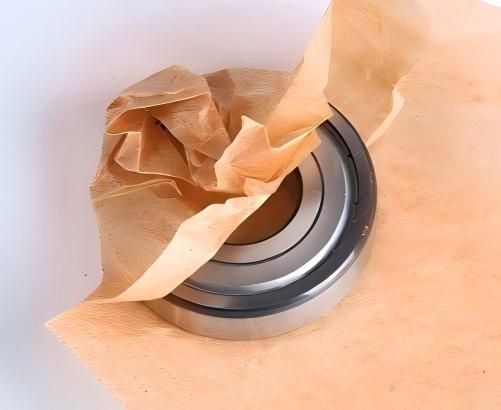
3.1 Individual Packaging
Individual packaging is commonly used for small and medium-size bearings.
Common materials:
- PE plastic bags
- VCI anti-rust bags
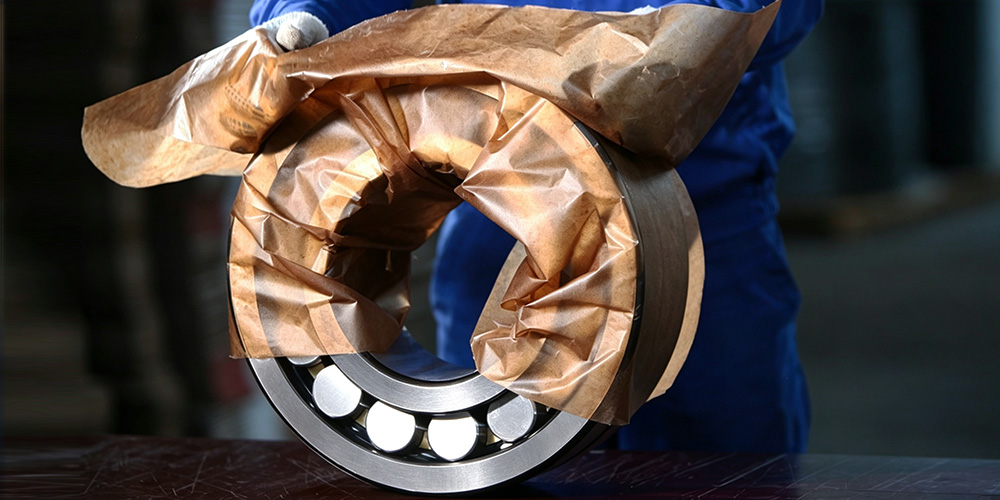
- Anti-rust paper
- Individual cartons
Advantages:
- Prevent direct bearing contact
- Reduce contamination risks
- Improve product identification
- Simplify inventory management
Suitable for:
- Deep groove ball bearings
- Angular contact ball bearings
- Small tapered roller bearings
3.2 Tube Packaging
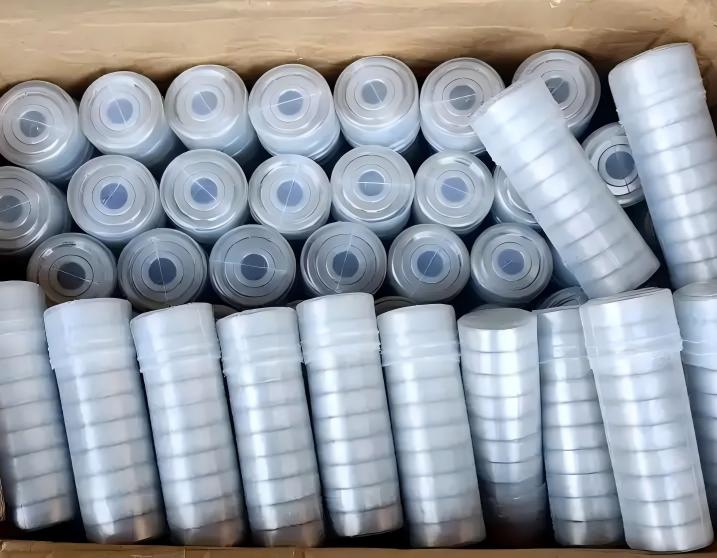
Tube packaging is suitable for multiple small bearings packed together.
Features:
- Compact packaging design
- Reduced storage space
- Easy handling
Common applications:
- Miniature bearings
- Standard industrial bearings
- Large quantity orders
3.3 Carton Packaging
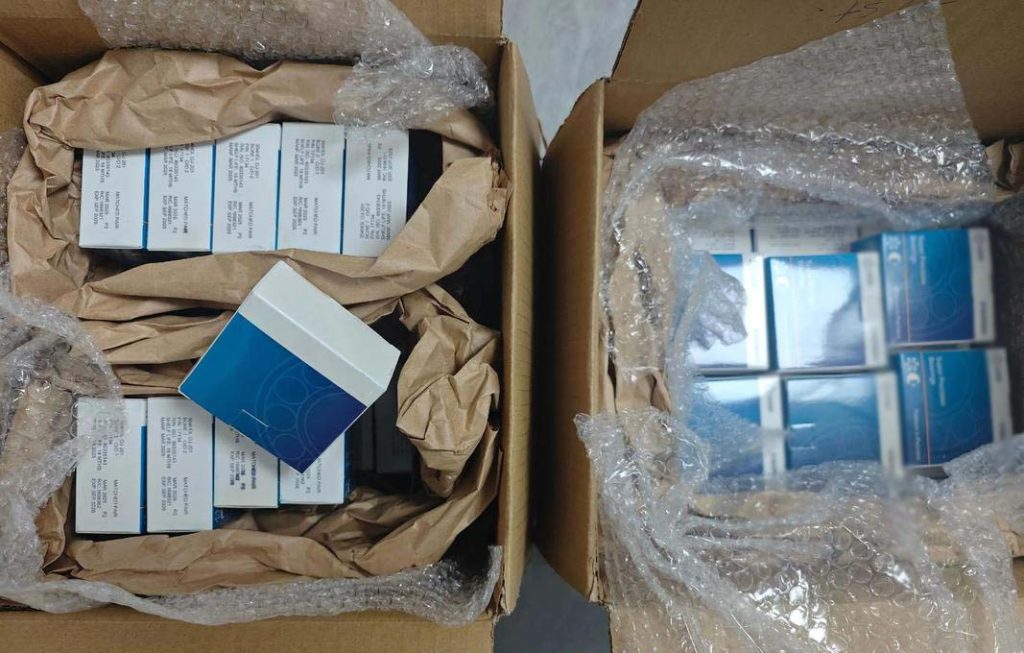
Cartons are widely used for domestic and international bearing shipments.
A typical carton package includes:
- Individually packed bearings
- Protective separators
- Product labels
- Quantity information
Advantages:
- Lightweight
- Cost-effective
- Easy stacking and transportation
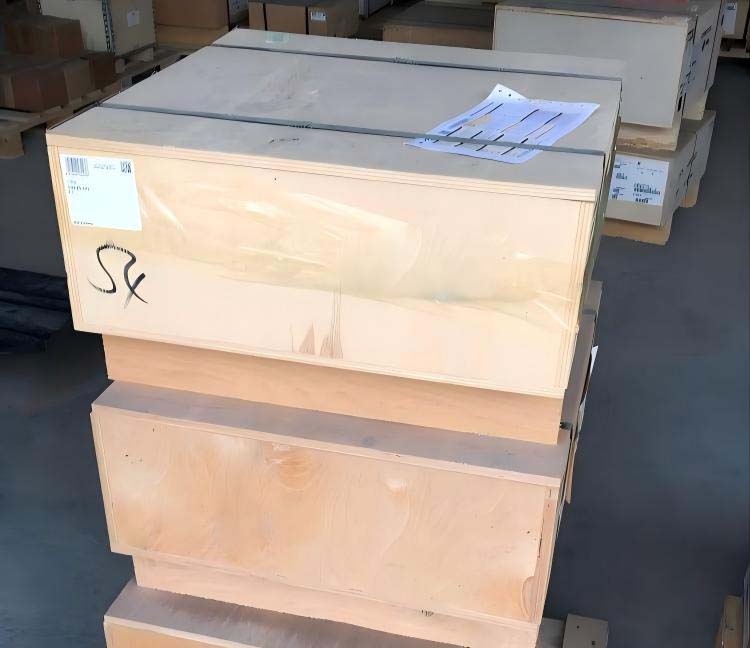
3.4 Wooden Case Packaging
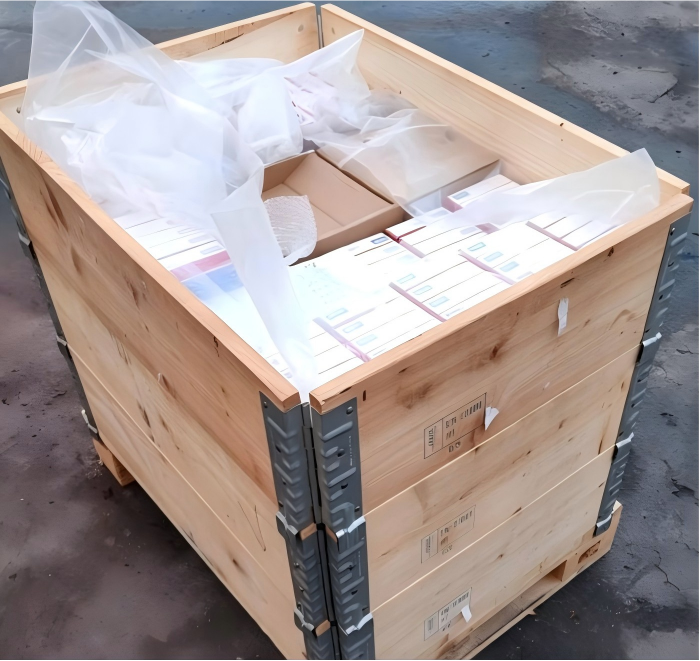
Large and heavy bearings require reinforced wooden packaging.
Advantages:
- High impact resistance
- Strong load capacity
- Better protection during long-distance transportation
For export shipments, wooden cases should comply with:
- ISPM No.15 requirements
- Heat treatment standards
- IPPC marking regulations
Suitable for:
- Large spherical roller bearings
- Cylindrical roller bearings
- Slewing bearings
- Heavy industrial bearings
4. Common Bearing Packaging Materials
| Packaging Material | Main Function |
|---|---|
| PE Plastic Bags | Individual protection, dust prevention, basic moisture isolation |
| VCI Paper / Bags | Long-term corrosion protection during storage and transportation |
| Anti-Rust Paper | Additional rust protection for individual wrapping |
| EPE Foam & Separators | Prevent scratches, impact, and movement |
| Corrugated Cartons | Outer protection and product identification |
| Silica Gel Desiccants | Absorb moisture inside sealed packages |
The selection of packaging materials depends on bearing size, storage period, transportation method, and customer requirements.
5. Bearing Packaging Labels & Identification
Clear labeling helps customers manage inventory and maintain product traceability.
Typical label information includes:
- Bearing model number
- Bearing dimensions
- Quantity
- Batch number
- Production date
- Manufacturer information
- Country of origin
For OEM and customized orders, additional information may include:
- Customer part number
- OEM reference code
- Internal clearance (C3, C4, etc.)
- Seal or shield type (2RS, ZZ, etc.)
- Lubrication specification
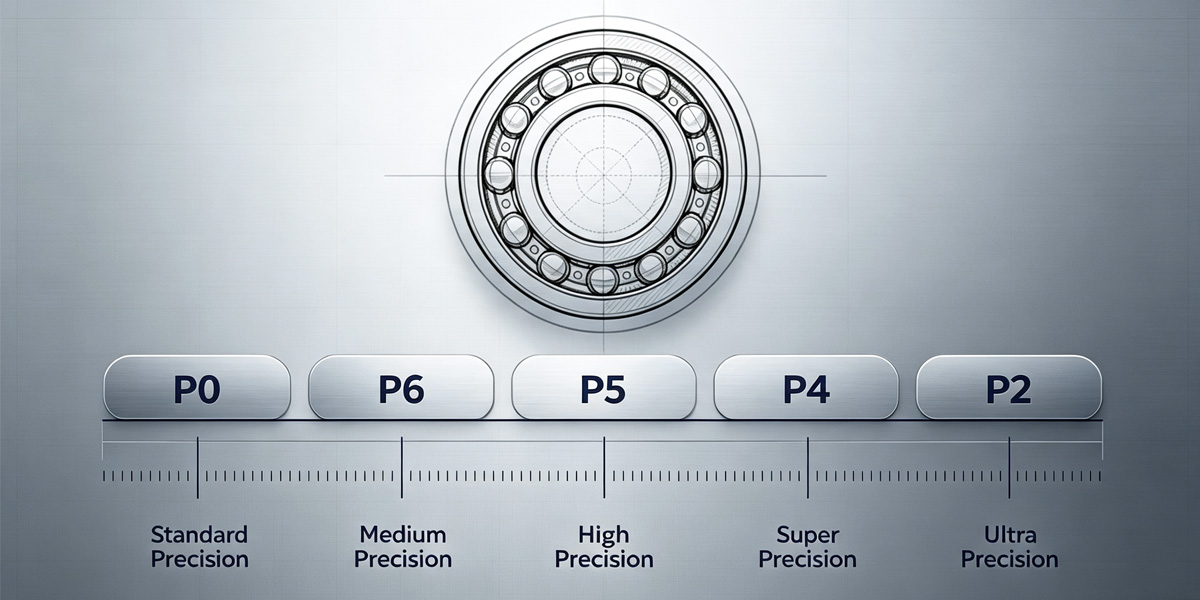
- Precision grade (P0, P6, P5, P4, P2)
Example: 6205-2RS/C3
- 6205 → Basic bearing model
- 2RS → Double rubber seals
- C3 → Increased internal clearance
Export cartons may also include shipping marks such as:
- Keep Dry
- This Side Up
- Fragile
- No Stacking
6. Bearing Packaging Requirements for Export Shipping
International shipments require stronger protection due to:
- Long ocean transportation
- High humidity
- Salt air exposure
- Temperature changes
Recommended export packaging methods:
- Anti-rust treatment before packaging
- VCI sealed packaging
- Moisture protection materials
- Waterproof cartons or reinforced wooden cases
- Secure pallet fixing
- Proper stacking control
These measures help prevent corrosion, contamination, and transportation damage.
7. Packaging Methods for Different Bearing Types
| Bearing Type | Common Packaging Method |
|---|---|
| Deep Groove Ball Bearings | Individual VCI bags + cartons |
| Angular Contact Ball Bearings | Individual protective packaging |
| Tapered Roller Bearings | Individual boxes or matched-set packaging |
| Cylindrical Roller Bearings | Waterproof cartons or wooden cases |
| Spherical Roller Bearings | Reinforced cartons or wooden cases |
| Slewing Bearings | Heavy-duty IPPC wooden cases |
| Large Industrial Bearings | Customized export packaging |
8. Bearing Storage After Packaging
Proper storage helps maintain bearing quality before installation.
Recommended practices:
- Store bearings in a clean and dry warehouse
- Avoid direct sunlight and heat sources
- Maintain stable temperature and controlled humidity
- Keep original packaging until use
- Avoid contact with chemicals and corrosive substances
- Inspect long-term stored bearings regularly
For extended storage, maintaining relative humidity below 60% RH is generally recommended to reduce corrosion risk.
9. Common Bearing Packaging Problems
9.1 Bearing Rust
Possible causes:
- Insufficient anti-rust protection
- Damaged packaging
- High humidity storage
- Long exposure after opening
Solutions:
- Improve anti-rust treatment
- Use VCI sealed packaging
- Control warehouse conditions
- Minimize unnecessary package opening
9.2 Surface Damage
Possible causes:
- Insufficient cushioning materials
- Improper transportation handling
- Bearing-to-bearing contact
Solutions:
- Add foam separators
- Improve inner wrapping
- Strengthen outer packaging
9.3 Incorrect Product Information
Possible causes:
- Label errors
- Damaged labels
- Mixed product loading
Solutions:
- Use durable labels
- Add barcode or QR tracking
- Separate different bearing models during packing
Conclusion
Professional bearing packaging protects precision bearings from corrosion, contamination, and mechanical damage throughout storage and transportation.
From cleaning and anti-rust treatment to VCI protection, carton packaging, and reinforced export cases, every step helps maintain bearing performance until installation.
A reliable bearing manufacturer should provide not only high-quality products but also professional packaging solutions to ensure safe delivery through land, air, and sea transportation.