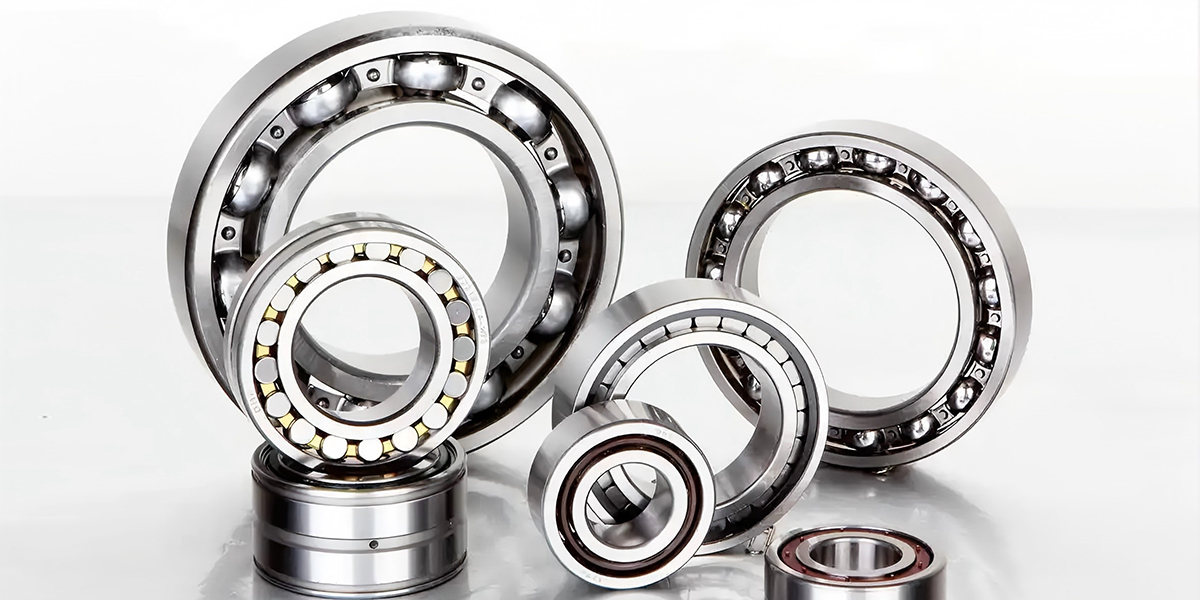
Roller-bearings, though small, are colossal in their impact on the machinery world. Their intricate manufacture demands precision, technological finesse, and rigorous quality control. Allow us to take you on a journey into the labyrinth of roller-bearing manufacturing.
A. Design and Planning
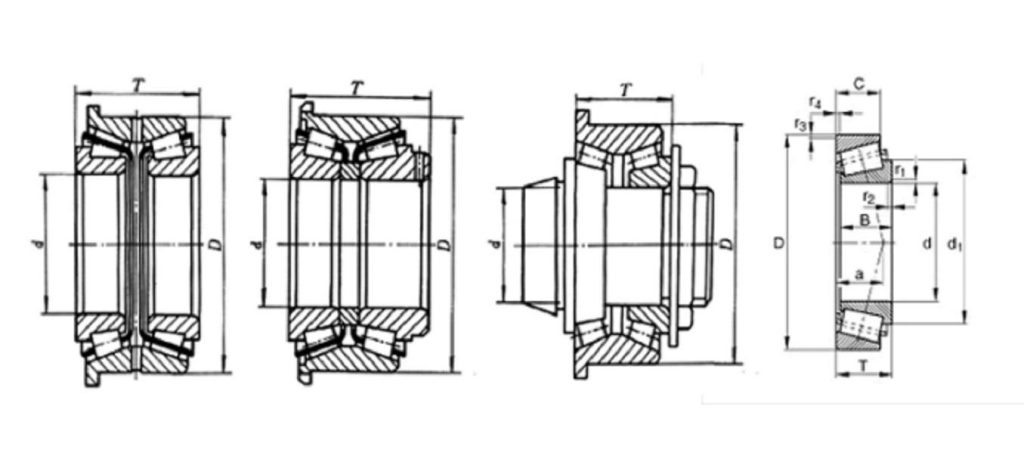
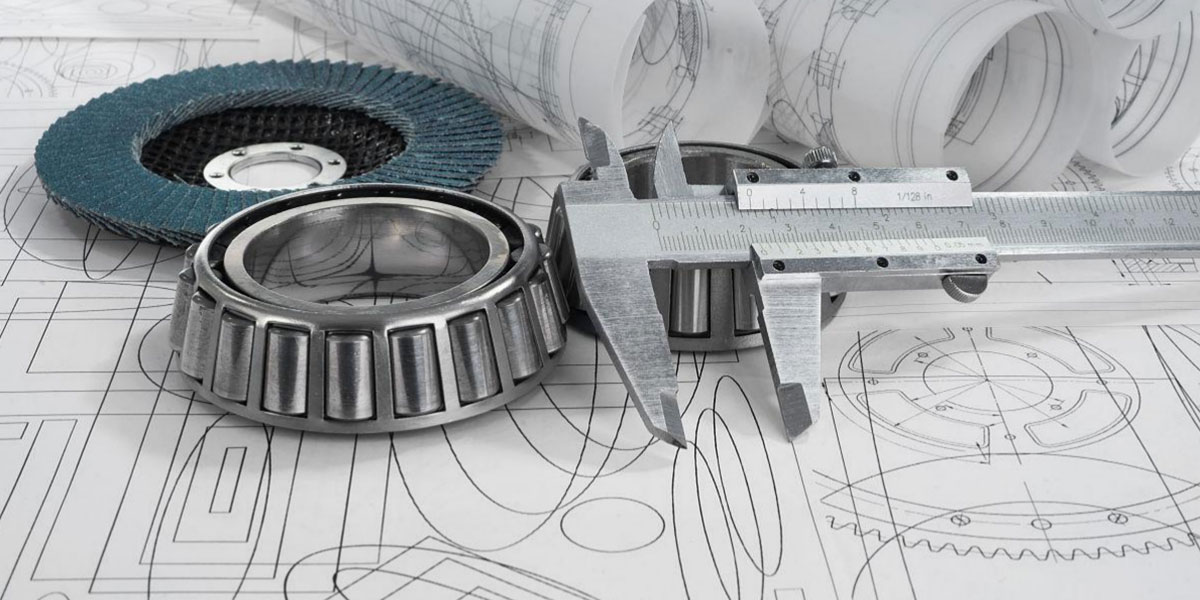
The manufacturing journey of a roller bearing commences long before any metal is shaped. It begins in the minds of engineers, where initial designs are meticulously crafted to meet the specific needs of the application at hand. Next, engineers use sophisticated software to model and simulate the performance of the proposed design, adjusting dimensions, materials, and other factors to optimize performance. This stage also involves planning for material procurement, production scheduling, and quality control measures.
B. Material Preparation
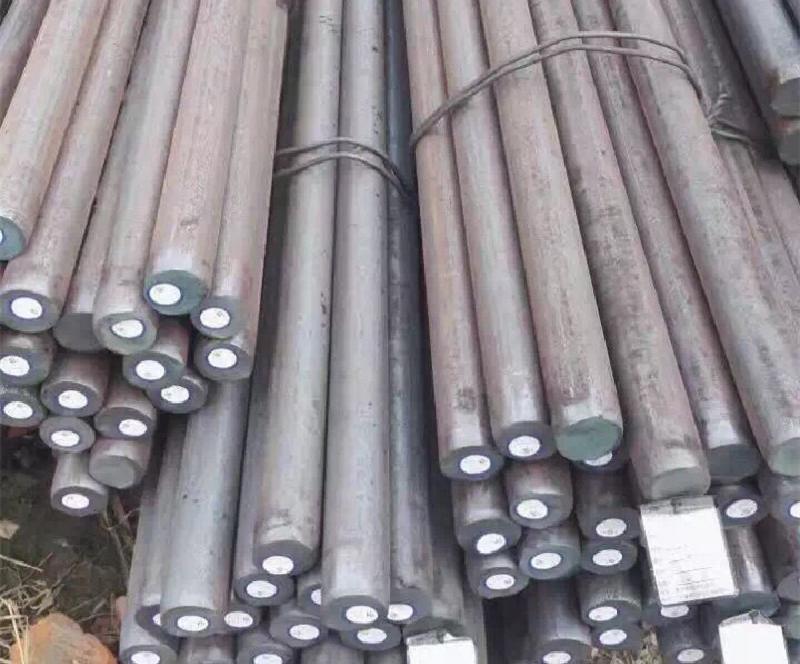
The chosen raw material, often high-quality chrome or stainless steel is received as large rods or tubes. These materials are selected for their strength, durability, and resistance to wear and tear. The raw material is then cut into smaller pieces, which will be processed into the different parts of the bearing: the inner and outer races, the cage, and the rolling elements.
C. Forging and Turning
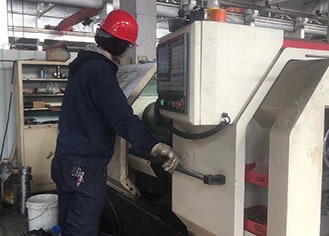
The cut pieces undergo a process called forging, heated to high temperatures, and then mechanically deformed to create a rough shape of the bearing components. Following this, the pieces are subjected to turning, where a lathe trims the forged parts to bring them closer to their final shape.
D. Heat Treatment
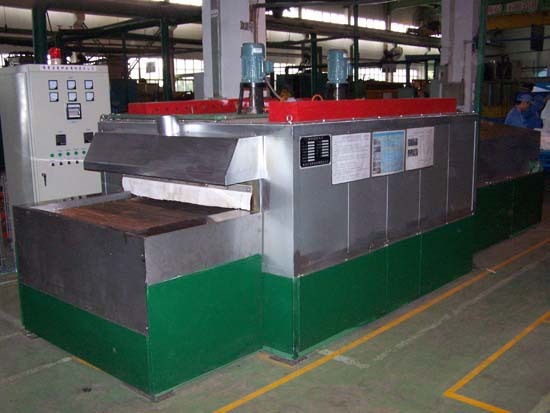
The components are then subjected to heat treatment, which imbues the material with desired mechanical properties, such as hardness and toughness. Heat treatment typically involves heating the parts to a specific temperature, holding them at that temperature, and then cooling them at a controlled rate.
E. Grinding and Polishing
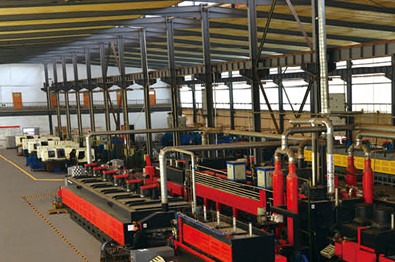
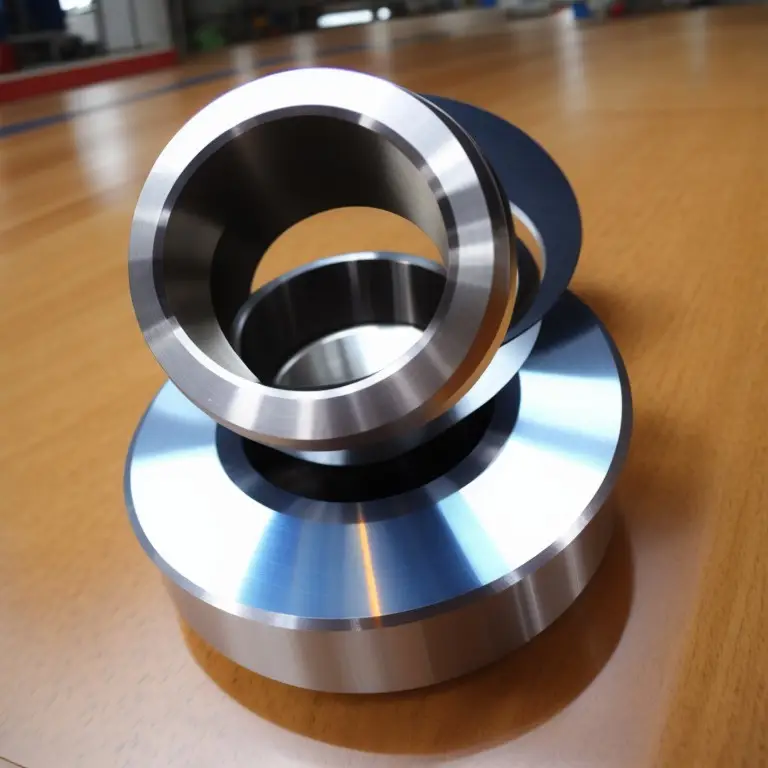
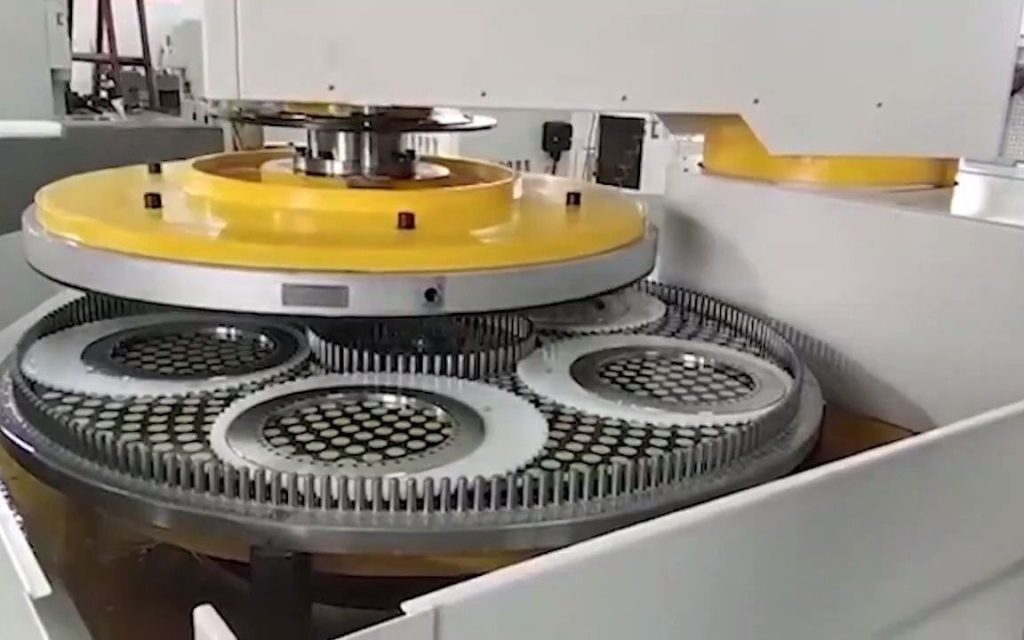
The components then proceed to the grinding stage, where high-precision machines shave off minute amounts of material to achieve the precise dimensions and smooth surface finish necessary for optimal performance. This process is followed by polishing, which gives the components an even smoother finish, reducing friction and wear when the bearing is in operation.
F. Assembly
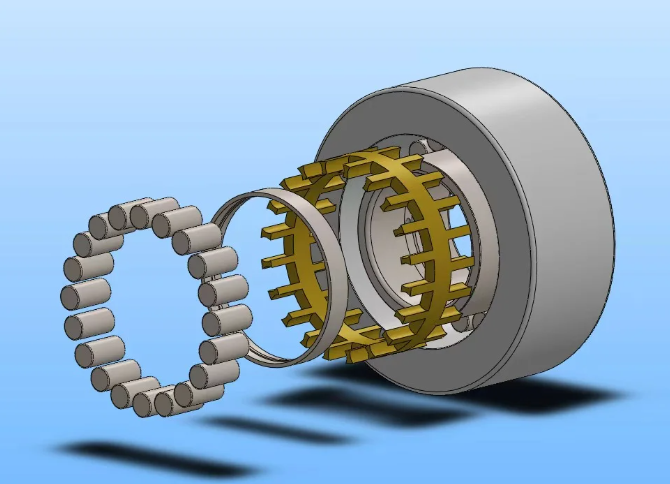
With all the components prepared, they are then assembled into a complete bearing. The rolling elements are positioned between the inner and outer races and contained within the cage. The assembly process often involves machines, but in some cases, especially for small, high-precision bearings, this process may be performed manually.
G. Quality Inspection
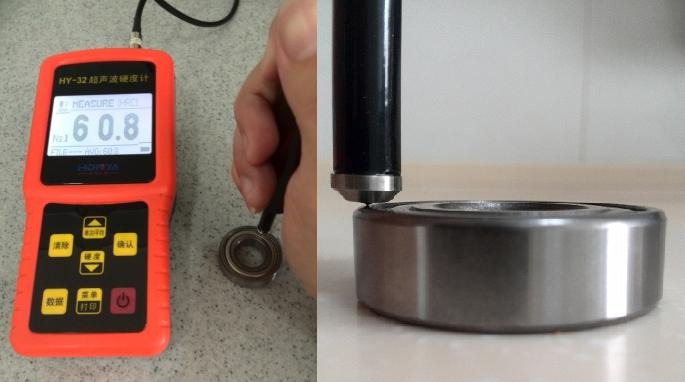
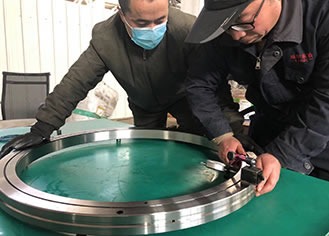
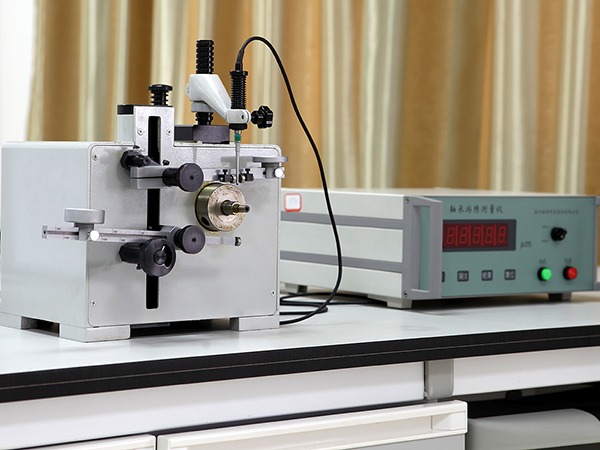
Every bearing, once assembled, goes through rigorous quality inspection processes. These inspections verify dimensions, check for surface defects, and test the bearing’s performance. Only bearings that pass these stringent quality checks enter the market.
H. Packaging and Shipping
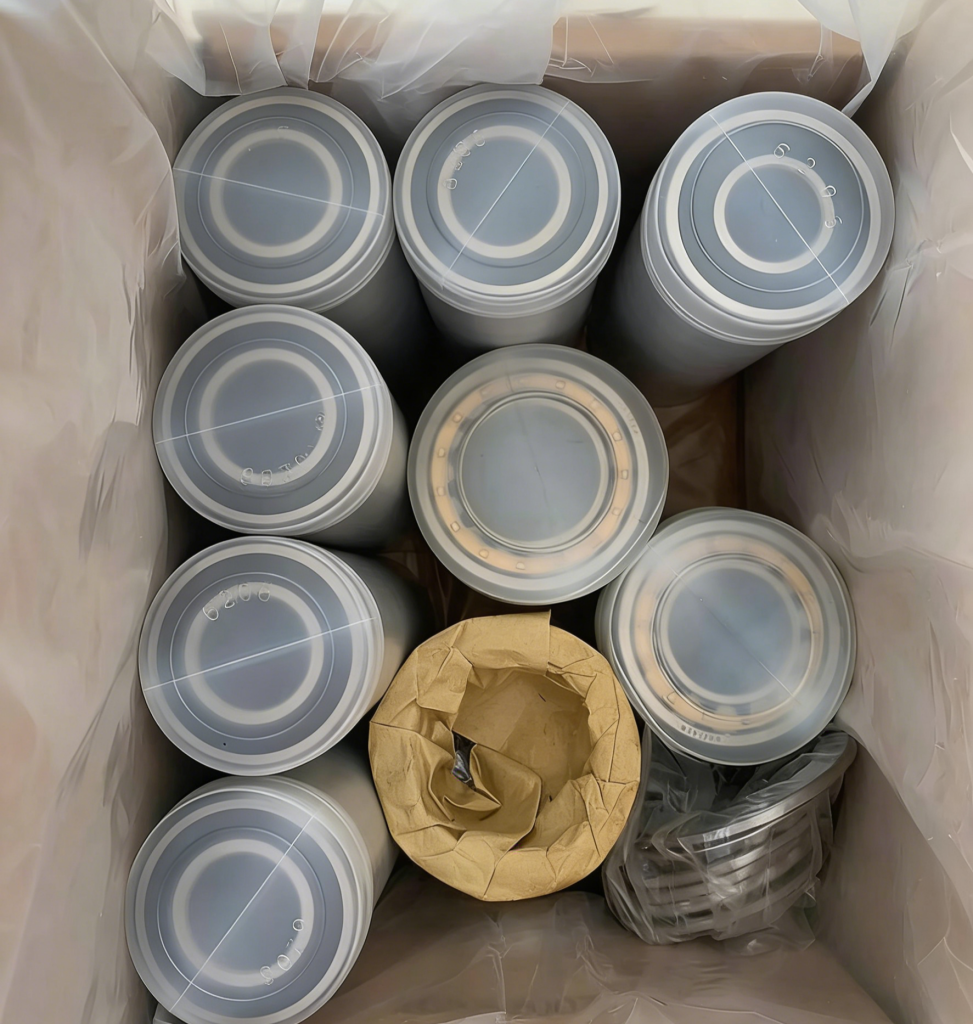
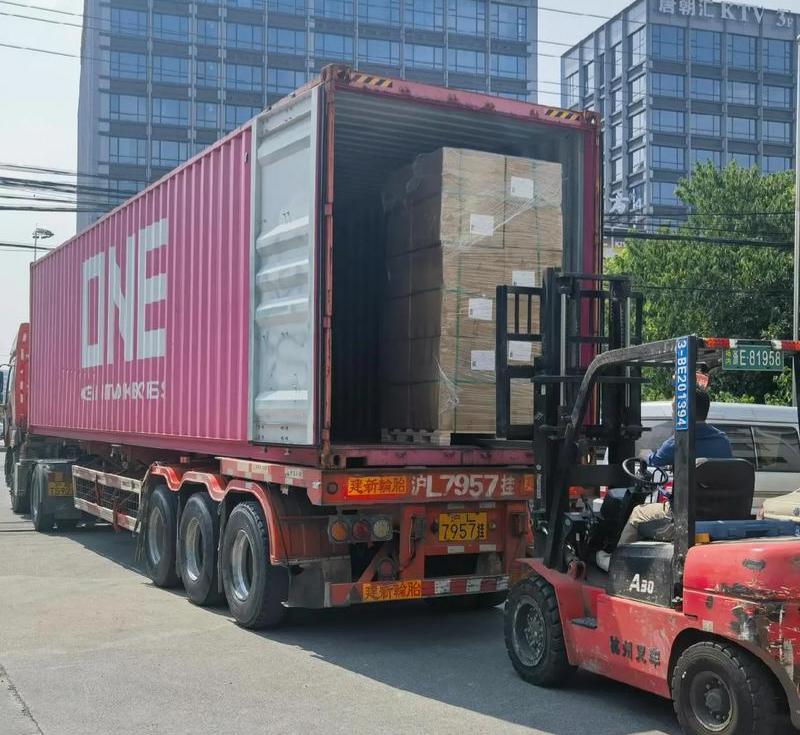
The final step involves packaging the bearings carefully to protect them from any potential damage during transportation. They are then shipped off to distributors and customers around the globe, ready to play their part in the grand dance of machinery.
From conception to completion, the creation of each roller bearing is a testament to human ingenuity, technological prowess, and commitment to quality. So, the next time you see a roller bearing, remember it’s not just a piece of metal. It’s the fruit of a meticulous process, and behind it stands a team of dedicated professionals who ensure that our world continues to roll smoothly.