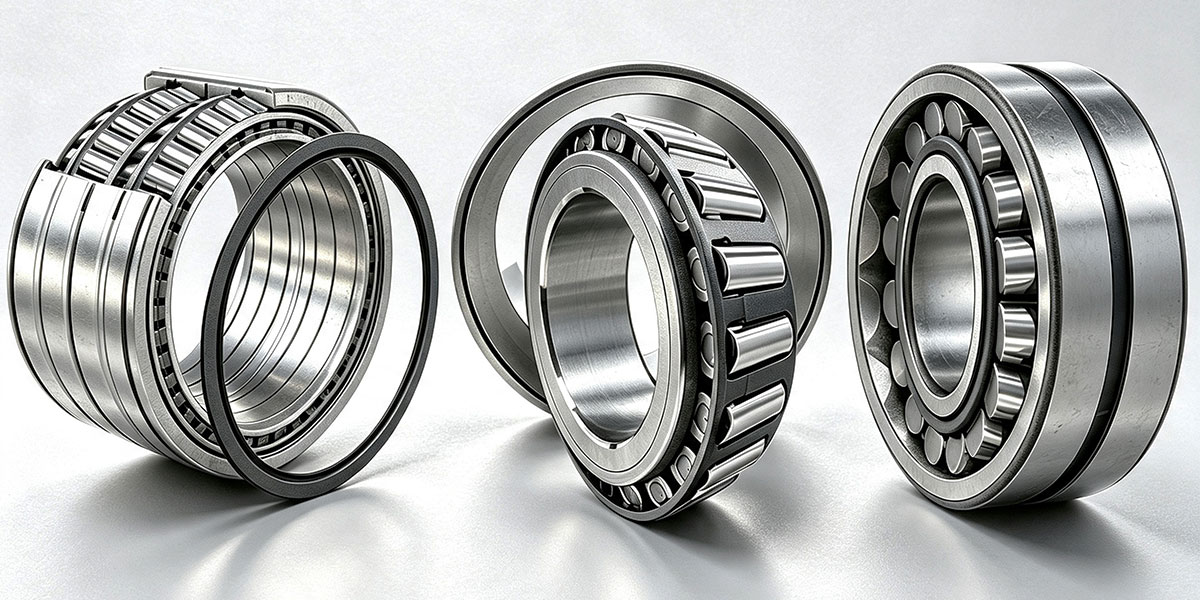
Needle roller bearings are a crucial part of many mechanical systems because they have a high load carrying capacity and a low profile. Understanding their characteristics and uses is essential if you’re a buyer looking for information about needle roller bearings. In this post, we address nine frequently asked questions concerning needle roller bearings in order to provide you with the information you need to choose the right bearing for your needs.
What exactly are needle roller bearings?
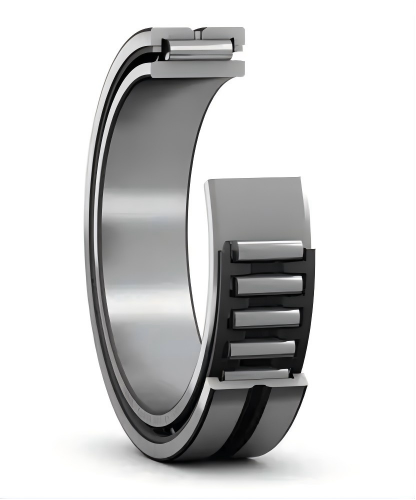
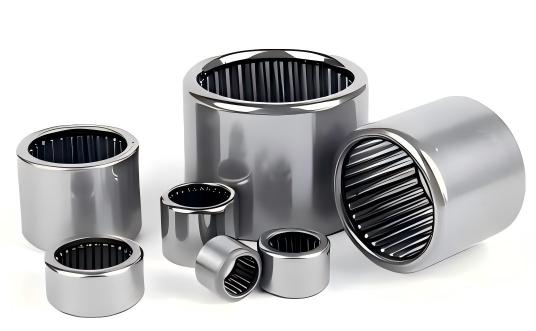
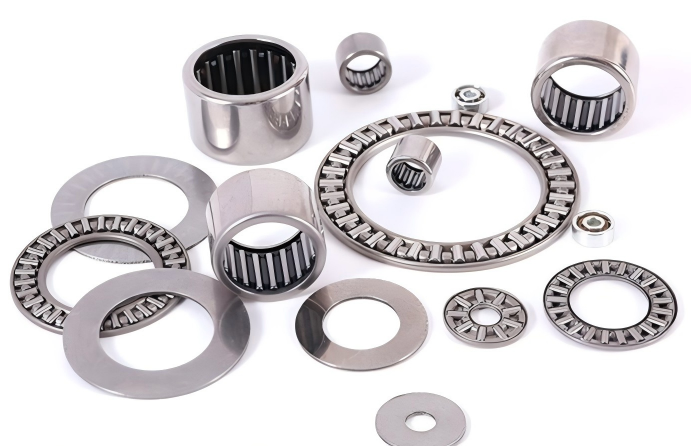
Needle roller bearings are a form of rolling-element bearing that uses long, thin cylindrical rollers rather than balls to lessen friction between moving elements. The inner and outer rings of the bearing hold the rollers in place within a cage.
Why are needle roller bearings required?
Utilizing needle roller bearings helps increase efficiency and decrease wear and tear by reducing friction between moving parts. They are especially helpful in settings with limited space or heavy radial loads.
What are needle roller bearings used for?
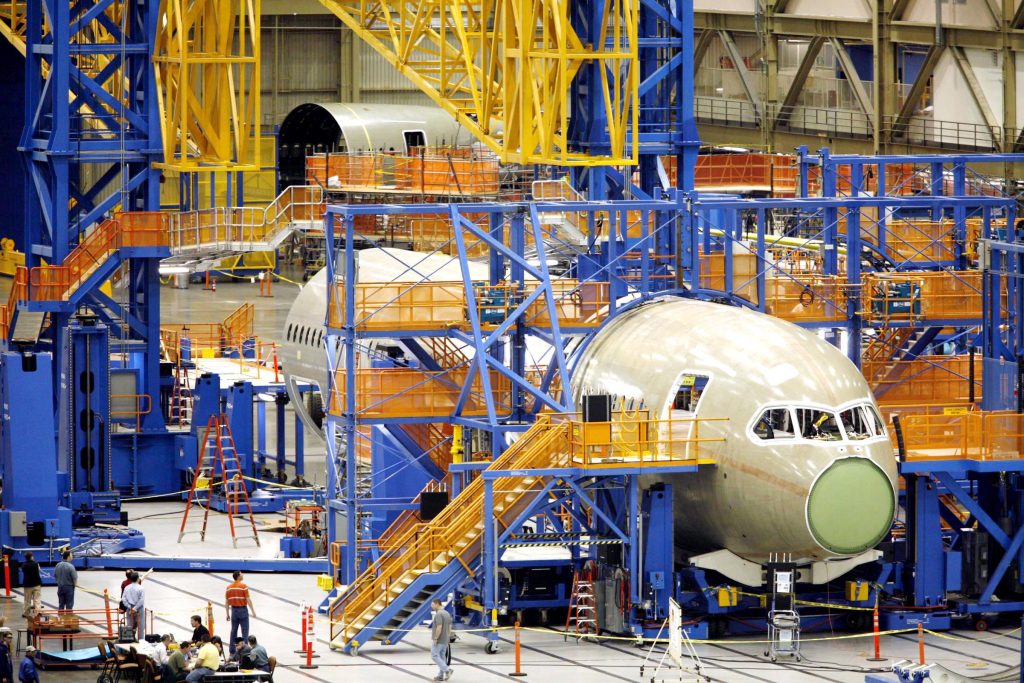
Needle roller bearings are utilized in a variety of applications, including automotive, aerospace, industrial, and agricultural gear. Transmissions, engines, steering systems, and pumps are all examples of popular applications.


How do needle roller bearings get measured?
To estimate the inner and outer diameters of a needle roller bearing, as well as its breadth or thickness, you must first identify its inner and outside diameters. This data can be used to identify an appropriate replacement bearing or to confirm that the bearing is used correctly in an application.
How are needle roller bearings created?
Needle roller bearings are often composed of high-quality steel or other robust materials. Precision machining and heat treatment are used in the manufacturing process to ensure that the bearings are strong, durable, and capable of withstanding heavy loads.
How are needle roller bearings installed?
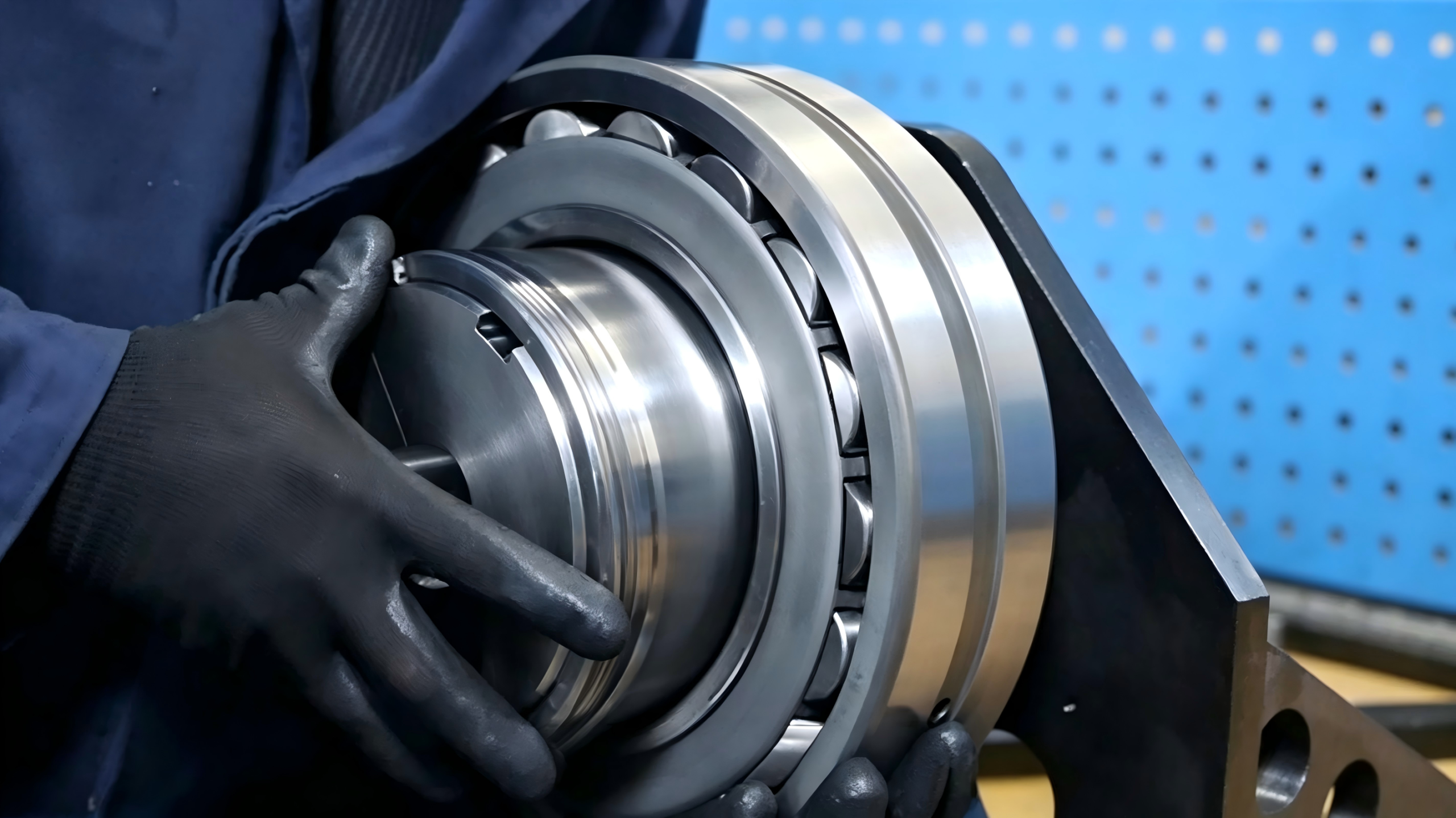
When installing a needle roller bearing, it is critical to verify that the bearing is properly aligned and placed in the housing. Overtightening or misalignment can harm the bearing and shorten its lifespan.
How are needle roller bearings removed?
A specialized tool, such as a bearing remover or a press, is often required to remove a needle roller bearing. During the removal process, care should be taken not to damage the bearing or any surrounding components.
How do needle roller thrust bearings work?
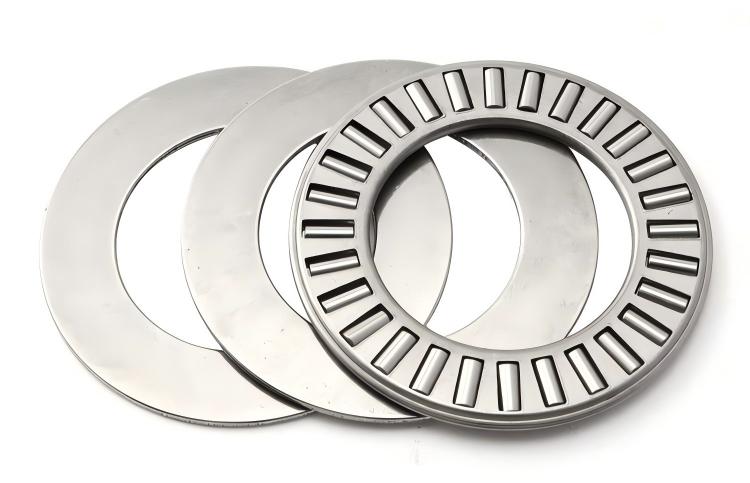
Needle roller thrust bearings distribute axial loads between two rotating shafts by utilizing cylindrical rollers placed in a cage. They are often utilized in applications with strong axial loads, such as gearboxes and machine tool spindles.
What are the pros and cons of bearings?
The benefits of needle roller bearings include their great load carrying capacity, minimal profile, and ability to work at high speeds. However, they can be more expensive than other types of bearings and, in some cases, require more frequent maintenance. It is critical to choose the right bearing for your application depending on its individual needs.
Finally, needle roller bearings are an important component in many mechanical systems because of their excellent load carrying ability and low profile. You can select the best bearing for your application by studying its properties and applications.