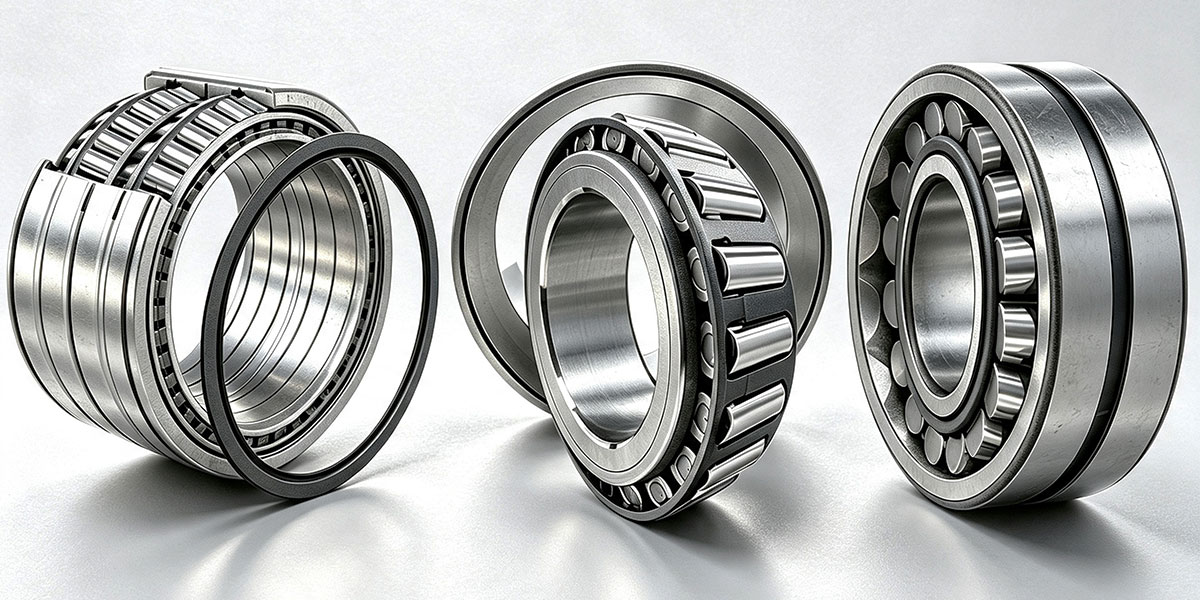
When a machine stops running abruptly, when the familiar roar becomes abnormal, or when a key component on the production line starts to vibrate—an inconspicuous bearing is often sending you a distress signal. For anyone involved in the mechanical field, bearings are a familiar sight. However, when it comes time to replace one, many people fall into confusion: Which type of bearing do I actually need? More importantly, how can I ensure I choose the right one?
The world of bearings is far richer and more complex than we imagine. The five most common types of bearings form the foundation of most mechanical equipment, and understanding their respective characteristics is the first step on the path to proper selection.
1. Common Bearing Types & Their Applications
Understanding the differences between bearing types is critical for accurate selection. Each type is designed for specific working conditions, and choosing the wrong one can lead to premature failure and increased maintenance costs.
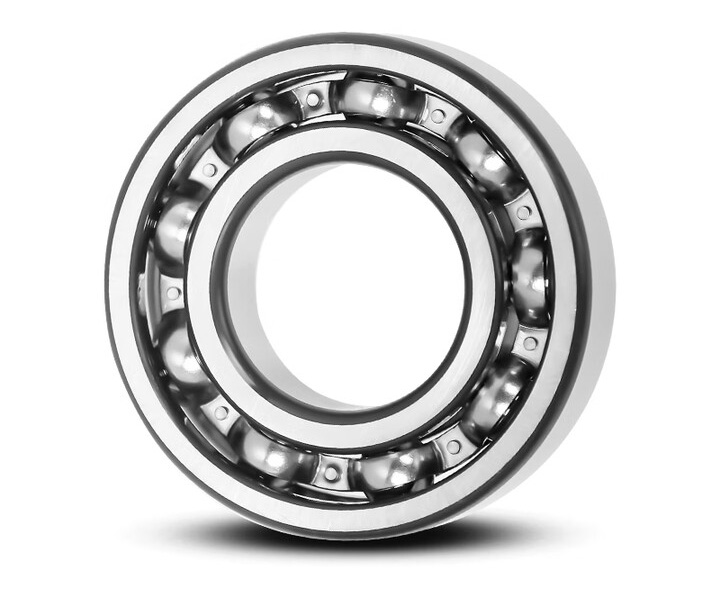
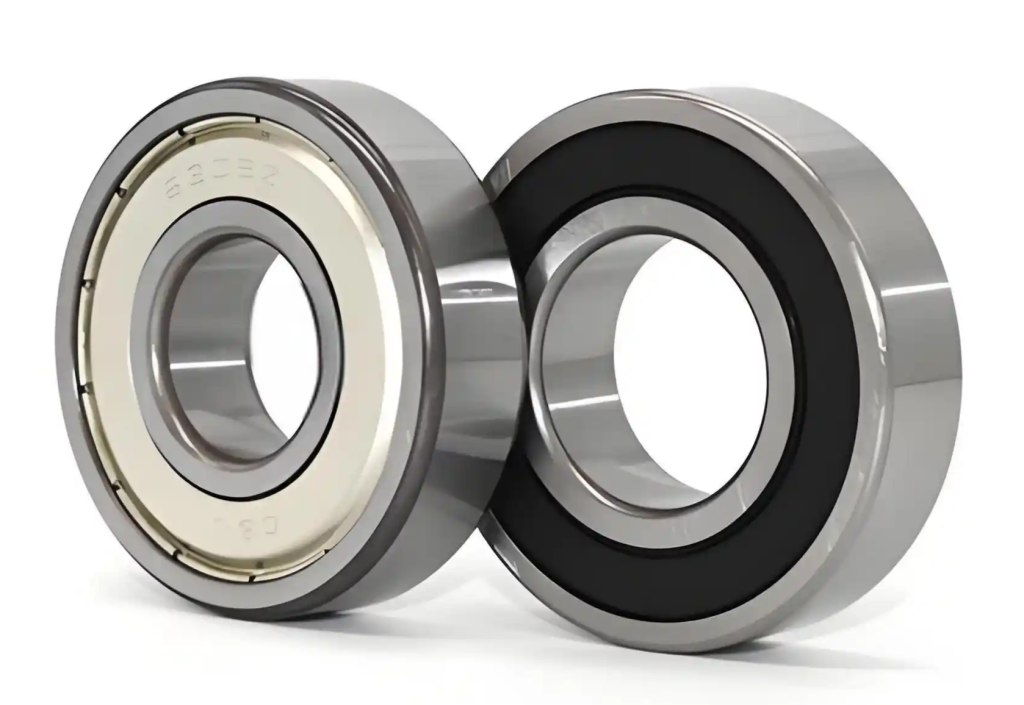
Ball Bearings
Ball bearings are the most common type in the bearing family. They rely on several precision metal balls rolling between the inner and outer races, converting unavoidable sliding friction into more manageable rolling friction. This design allows them to handle moderate radial and axial loads with ease. You can find ball bearings in gear motors, agricultural machinery, and household appliances. When you need a replacement for equipment with moderate speed and stable load, ball bearings are often the most reliable choice.
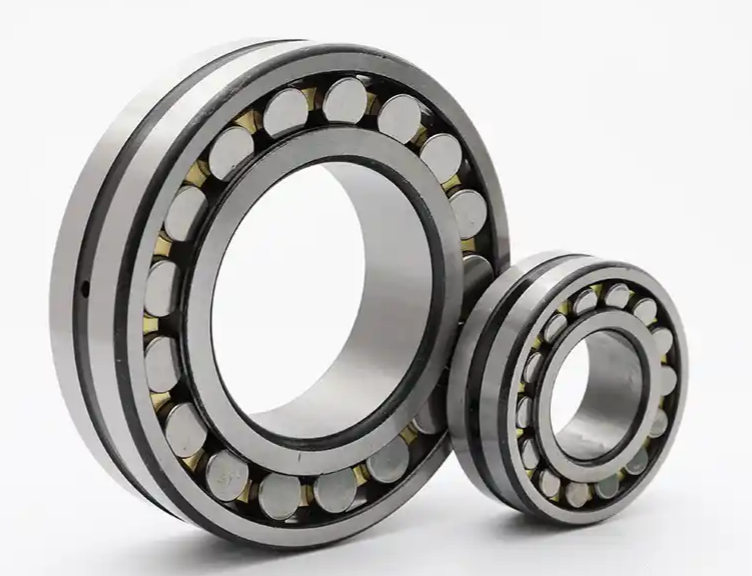
Roller Bearings
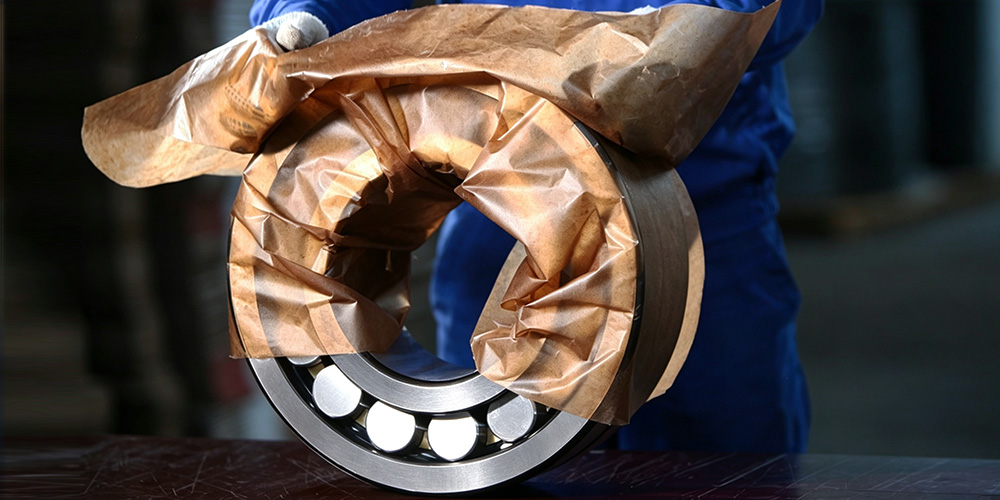
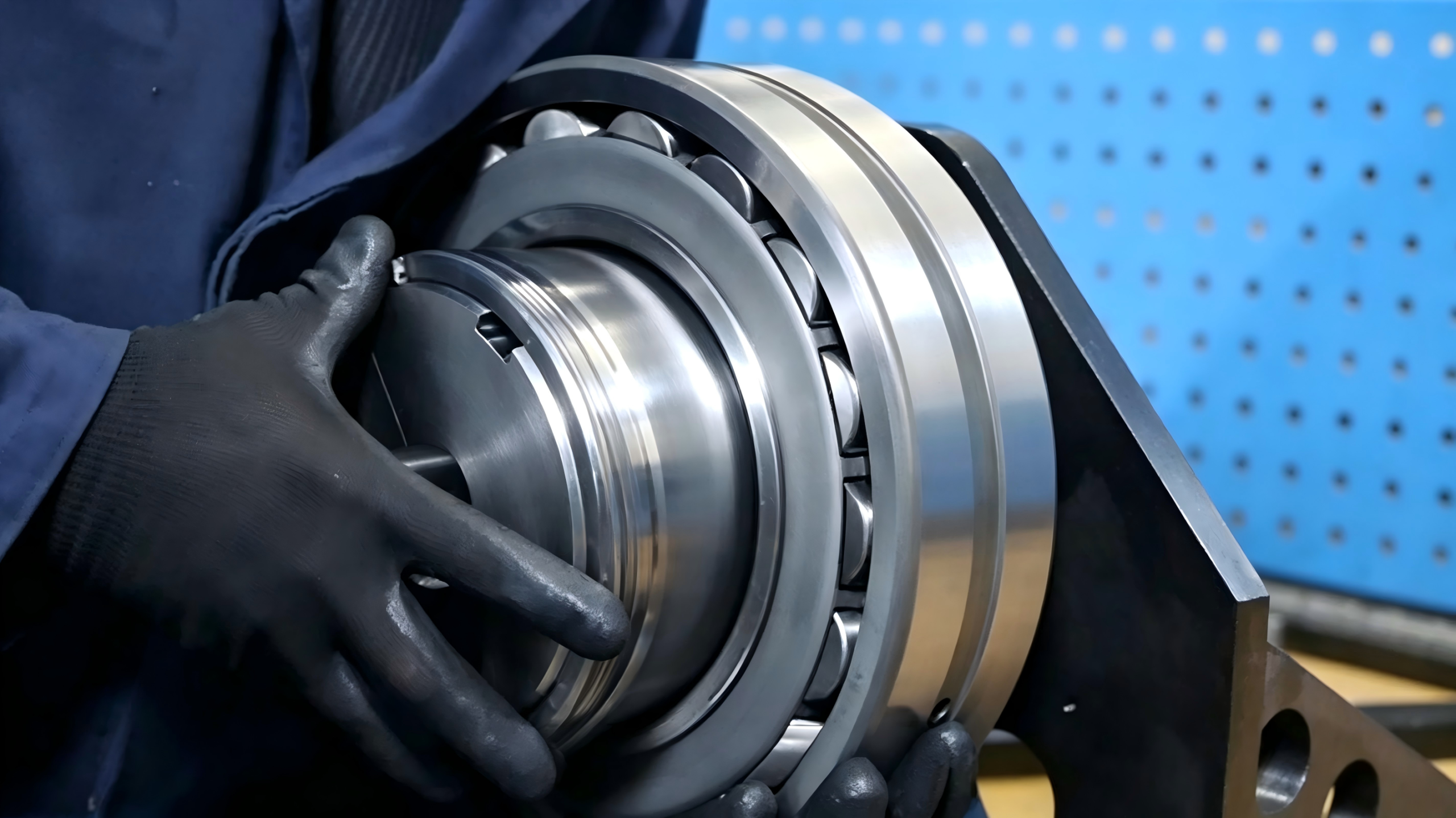
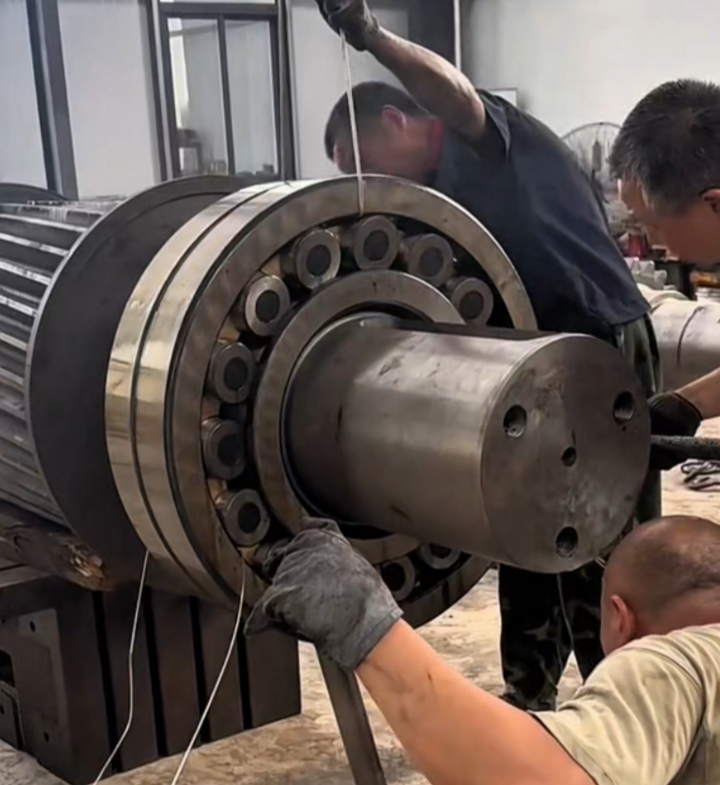
Roller bearings are built for harsher working conditions. They replace balls with cylindrical, tapered, or spherical rollers, which significantly increases the contact area. A larger contact area translates to stronger load-carrying capacity, especially for heavy radial loads from a single direction. If you’re dealing with heavy mining equipment, large electric motors, or railway vehicle axles, roller bearings are likely the solution that can handle the heavy load.
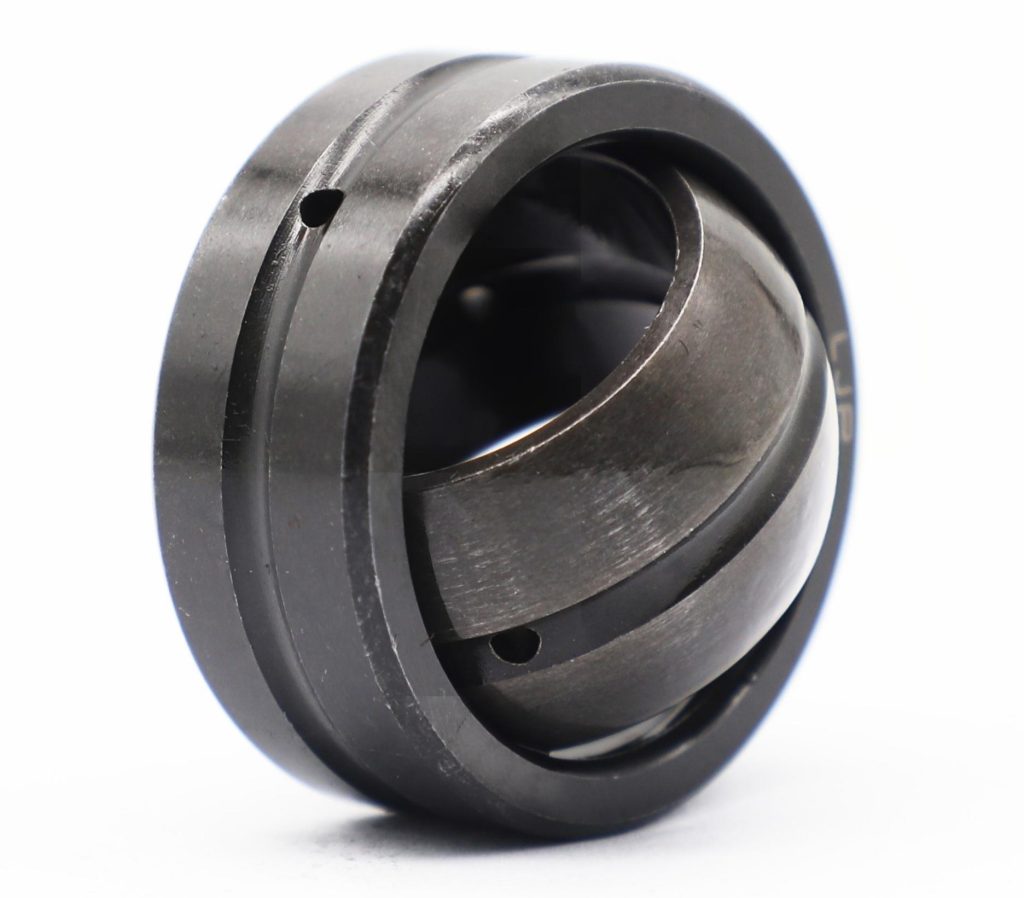
Spherical Plain Bearings
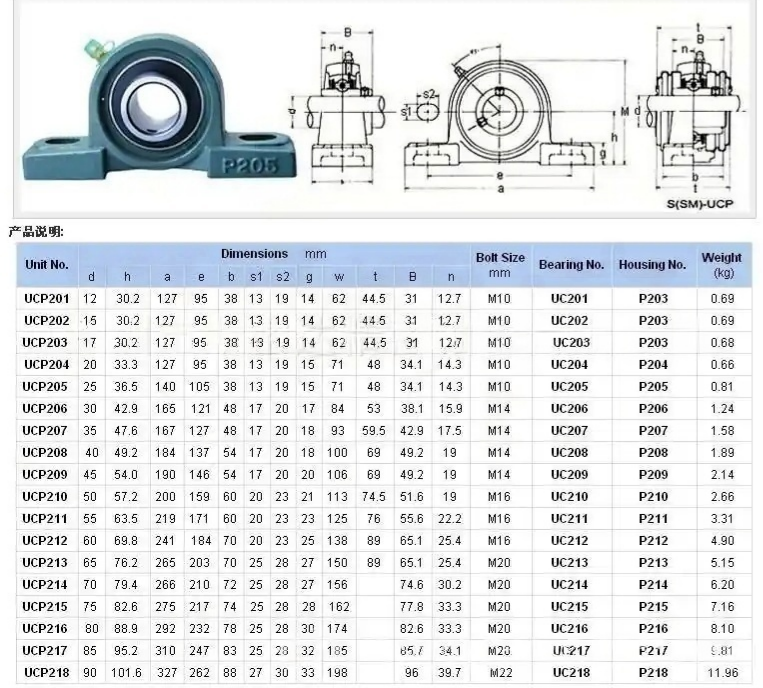
When motion is not just simple rotation but accompanied by angular oscillation and swing, spherical plain bearings come into play. Their inner race is designed in a convex spherical shape, allowing free swing within the spherical inner surface of the outer race. They are naturally suited for occasions that require joint-like flexible movement. From the steering mechanism of aircraft landing gear to the hydraulic cylinder joints of construction machinery and the suspension systems of automobiles, these bearings play an irreplaceable role in key nodes that need to transmit oscillating motion.
Super Precision Bearings
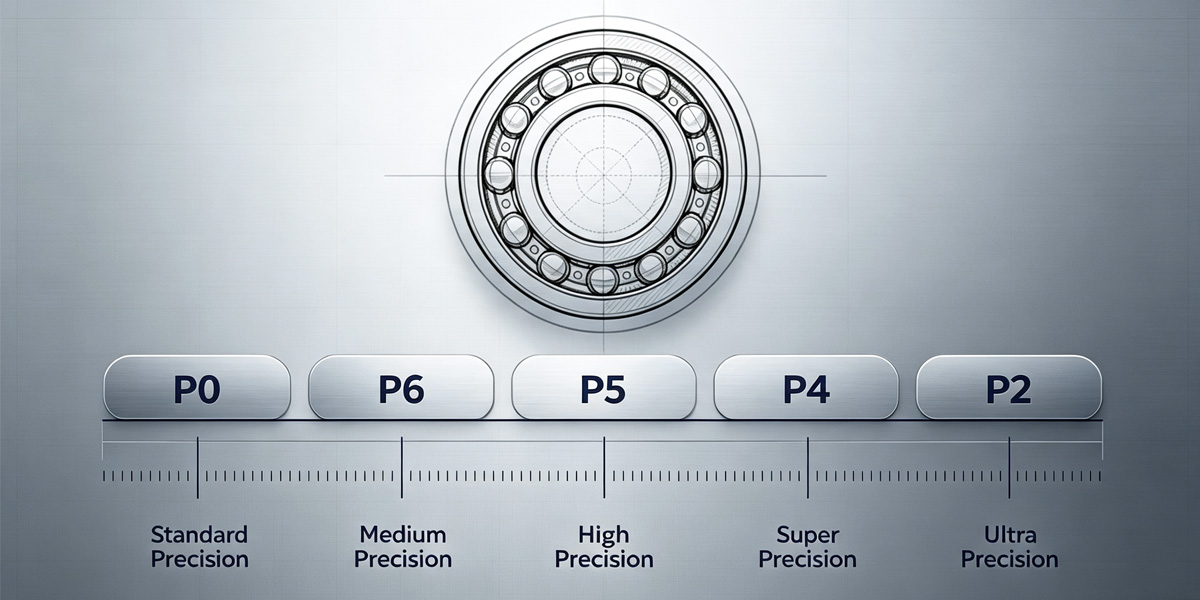
If ultimate precision and speed are your goals, super precision bearings are your target. Through advanced materials and precision manufacturing processes, they achieve operational accuracy and speed limits that ordinary bearings cannot match. In the spindles of CNC machine tools, the crankshafts of racing engines, and the guide wheels of high-speed winding machines, super precision bearings support the core components that pursue extreme performance to run at high speeds smoothly.
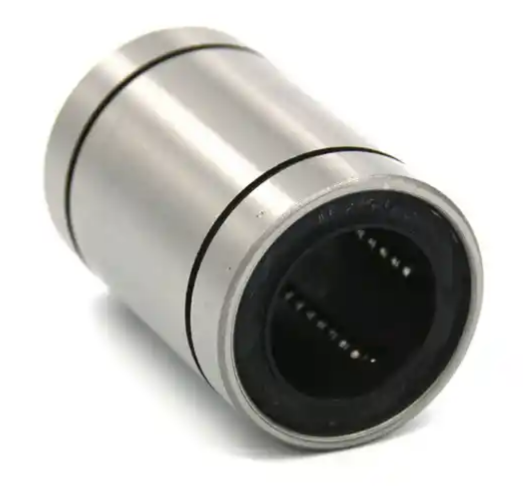
Linear Bearings
Finally, there is the unconventional linear bearing. While other bearings pursue smooth rotation, it focuses on linear motion. It allows worktables to slide smoothly on guide rails, 3D printer nozzles to move accurately, and industrial robot arms to reach every coordinate point precisely. For occasions that require linear reciprocating motion, linear bearings are the unsung heroes of precise control.
However, simply knowing these different types of bearings is far from enough. The real challenge lies in identifying the single correct choice from a vast array of models. This process is like a detective game that requires patience and meticulous attention.
2. Decode the Bearing Model Code
Every bearing is engraved with a string of seemingly obscure characters. This is not a manufacturer’s gimmick but its unique identification. Each number and letter in the part number tells its specifications: inner diameter size, size series, width, cage material, and internal clearance grade.
When you face a worn old bearing, the wisest move is to carefully identify and record these characters. It should be noted that although the coding rules of different manufacturers have commonalities, there are also subtle differences. The same suffix letter may have completely different meanings in different systems. Therefore, when you try to find a replacement using this number, especially when changing brands, be sure to check each specification parameter one by one.
3. Determine the Number of Seals & Dust Covers
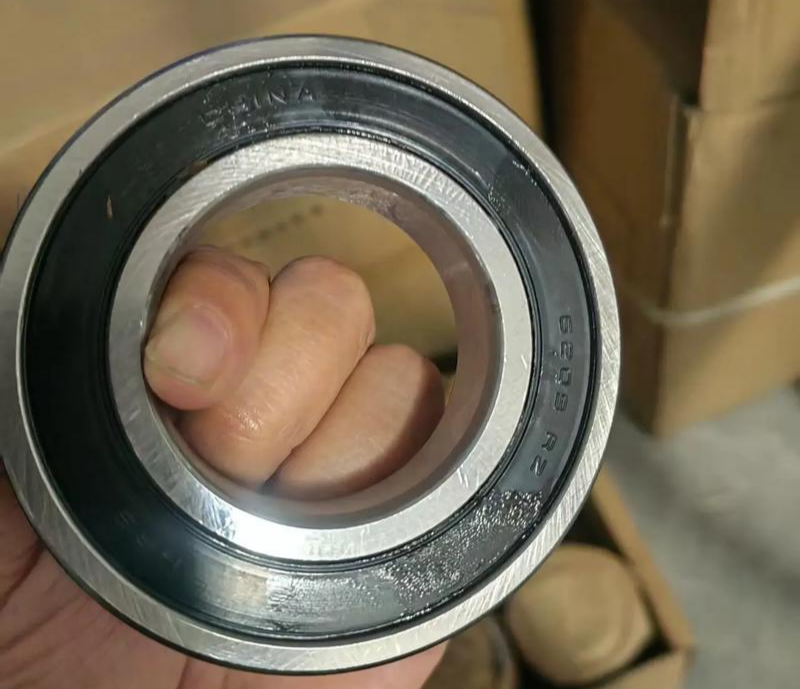
This is the most easily overlooked but crucial detail. You may find that one or both sides of the old bearing are equipped with non-metallic seals or metal dust covers. Interestingly, even if the bearing has seals on both sides, the part number is often printed on only one side, which can easily lead people to mistakenly think that only one seal is needed.
A reliable way to determine the number of seals is not to rely on the number, but to directly observe the bearing itself. After removing the old bearing, carefully check how many sealing surfaces it has, then confirm that the product description clearly states the correct number of seals when looking for a new bearing. This simple action can avoid the embarrassment of oil leakage or dust intrusion after installation.
4. Accurate Measurement
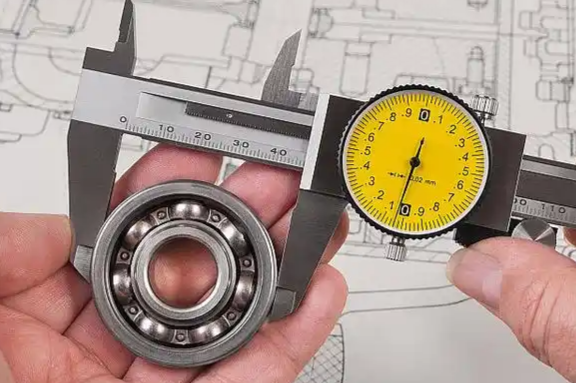
When the bearing you are facing is severely worn or the number is blurred, measurement becomes the only reliable way. The three basic dimensions—inner diameter, outer diameter, and width—must be accurate to the millimeter level or higher. A precision vernier caliper is your best tool.
When measuring the inner diameter, measure the minimum diameter of the bearing inner race; when measuring the outer diameter, measure the maximum diameter of the outer race; when measuring the width, ensure the caliper is perpendicular to the bearing end face. Once these three data are determined, you have the most basic information to find a replacement.
5. Match Load-Carrying Capacity Reasonably
The mission of a bearing is to bear loads, whether they come from gravity, impact, or forces generated by mechanical movement. Choosing a bearing with too low a load-carrying capacity is like asking a weightlifter to challenge a weight beyond their limit, which will inevitably lead to premature fatigue, wear, or even catastrophic failure. A failed bearing not only damages itself but is also likely to affect the matching shaft, housing, and even the entire equipment.
On the contrary, choosing a bearing with too high a load-carrying capacity, although safe, may cause unnecessary cost waste and increase the volume and weight of the equipment. Therefore, accurately evaluating the actual load situation of the equipment during operation and selecting a bearing with appropriate basic dynamic and static load ratings is the key to ensuring long-term safe and efficient operation of the equipment.
Final Thoughts
Although small in size, bearings often determine the performance and service life of the entire machine. The process of selecting a bearing is essentially a process of communicating with the machine. When you calm down, carefully distinguish the type of bearing, decode its number, confirm the number of seals, accurately measure the dimensions, and carefully evaluate the load requirements, you are actually looking for a suitable joint for the machine to continue running smoothly. This seemingly tedious patience will eventually reward you with longer equipment life, lower failure rates, and a more peaceful production rhythm.