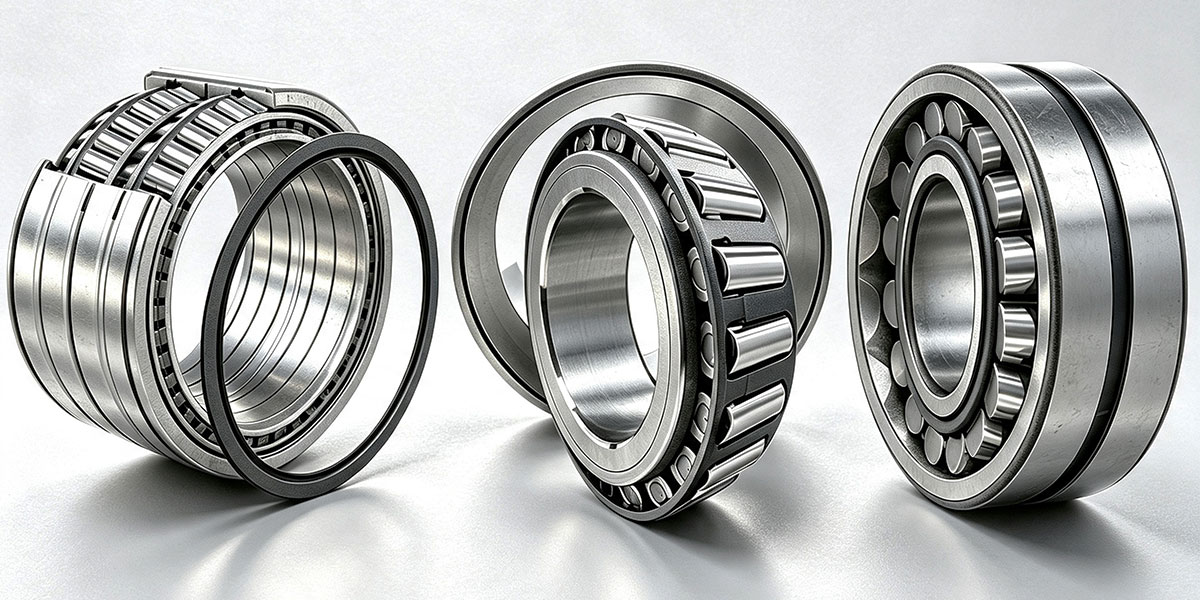
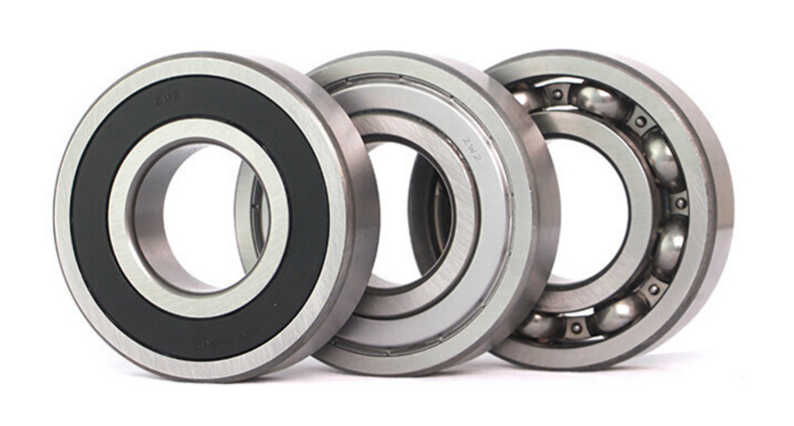
Deep groove ball bearings are the most widely used type of bearing in industrial applications, thanks to their simple structure, high versatility, and reliable performance. They are extensively applied in various fields, including general machinery, industrial equipment, and daily-use devices. However, many professionals often fall into avoidable mistakes during selection, installation, and maintenance, which not only leads to unnecessary cost waste but also shortens the service life of bearings and even causes equipment failures. Below are the four most common mistakes and corresponding correct practices to help you maximize the performance of deep groove ball bearings.
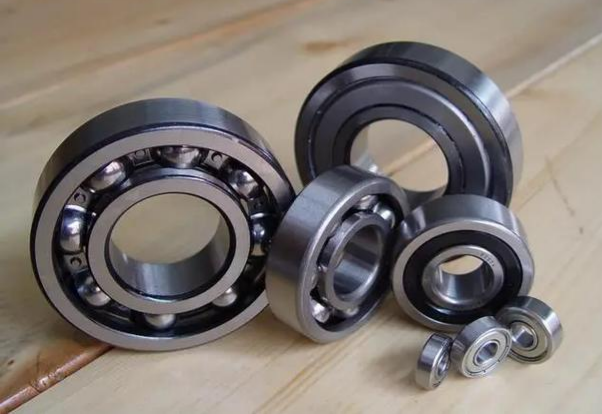
Mistake 1: Blindly Pursuing High Precision, Wasting Unnecessary Costs
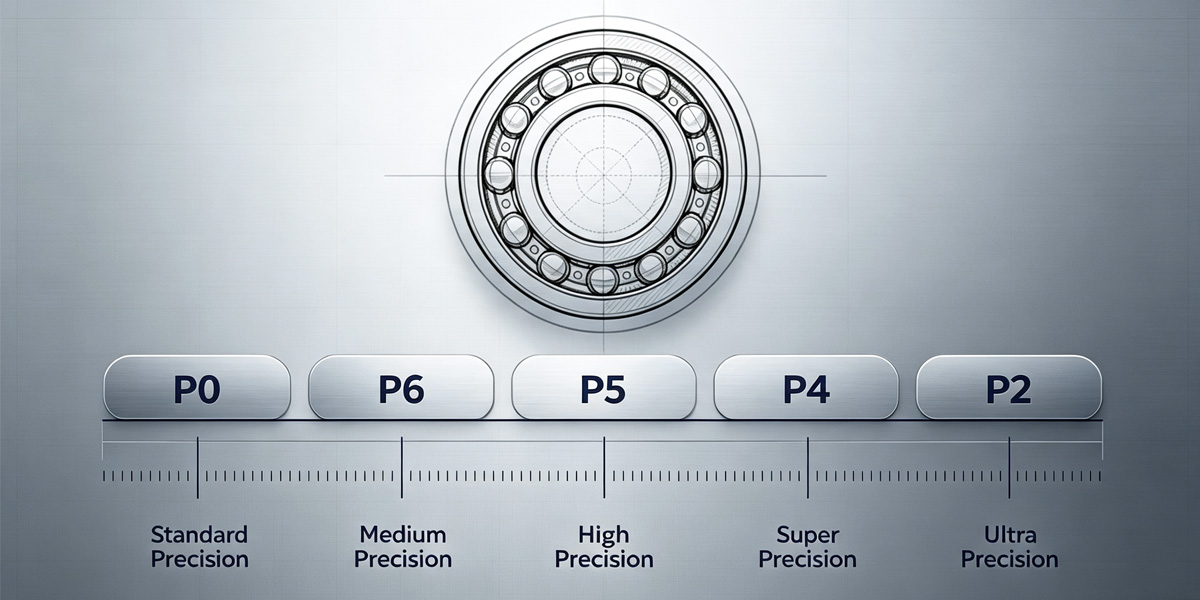
A common misconception among many users is that “the higher the precision, the better.” As a result, they insist on choosing P4 or P2 grade high-precision deep groove ball bearings even for ordinary working conditions. In fact, deep groove ball bearings have clear precision classifications. For general scenarios such as conventional transmission, general machinery, and low-speed operation, the standard P0 grade bearing is fully capable of meeting usage requirements. High-precision bearings (P4/P2 grades) are only suitable for special scenarios like precision instruments and high-speed machine tools. Blindly pursuing high precision will significantly increase procurement costs without bringing any practical performance improvement.
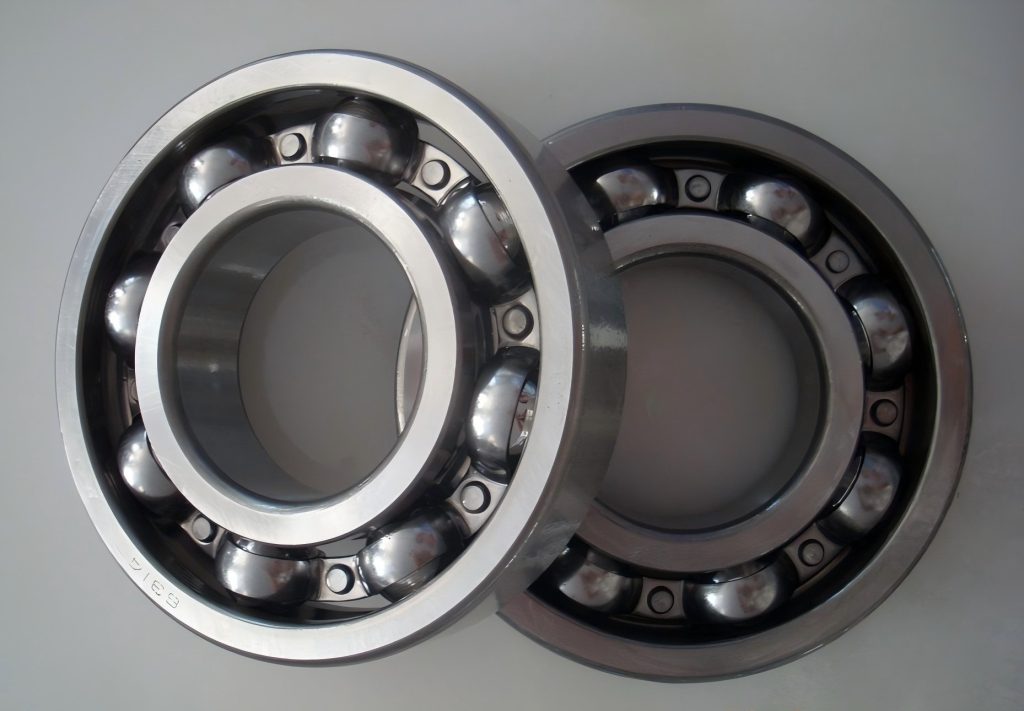
Mistake 2: Overloading, Ignoring the Radial Load Priority
The core design feature of deep groove ball bearings is their ability to bear radial loads, and they can only withstand a small amount of axial load. In practical use, many users fail to calculate the load correctly and force the bearings to bear large axial loads or composite heavy loads. This improper use will cause uneven stress on the bearing rolling elements and raceways, leading to rapid wear, pitting, or even fracture. Over time, it will not only shorten the service life of the bearings but also may cause serious equipment failures.
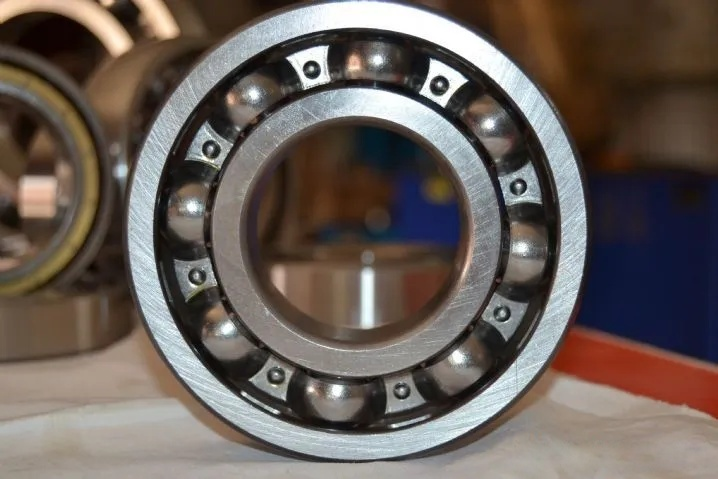
Mistake 3: Improper Speed Matching, Affecting Stable Operation
Each model of deep groove ball bearing has a rated speed limit, which is a key factor to ensure stable operation. Many users neglect the speed matching requirement and operate the bearing beyond the rated speed for a long time. This will lead to a sharp increase in internal friction of the bearing, rapid temperature rise, and even lubrication failure, seizure, or other problems. When selecting bearings, it is necessary to match the actual speed of the equipment and strictly control the operation within the rated speed range.
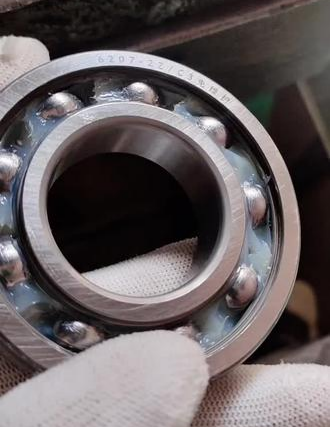
Mistake 4: Neglecting Maintenance, Accelerating Bearing Aging
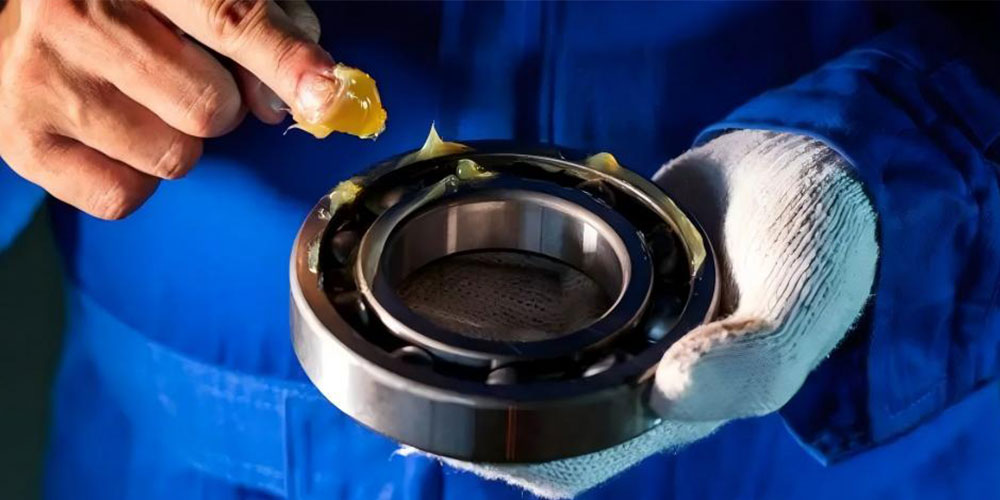
Many users mistakenly believe that deep groove ball bearings are “maintenance-free” due to their simple structure and durability. In fact, long-term operation without regular cleaning, lubrication, or maintenance will lead to dust and impurities entering the bearing, aging of lubricating grease, and accelerated wear of the bearing. Regularly cleaning the area around the bearing and adding suitable lubricating grease in a timely manner can effectively extend the service life of the bearing and avoid premature failure.
Key Points for Correct Selection & Usage
To ensure the stable operation of deep groove ball bearings and reduce maintenance costs, you should choose the appropriate precision grade (such as P0 grade for ordinary scenarios), adhere to the principle of prioritizing radial load-bearing, strictly control the operating speed within the rated range, and do a good job in daily cleaning and lubrication maintenance. Only in this way can the bearing give full play to its performance and achieve the longest service life.