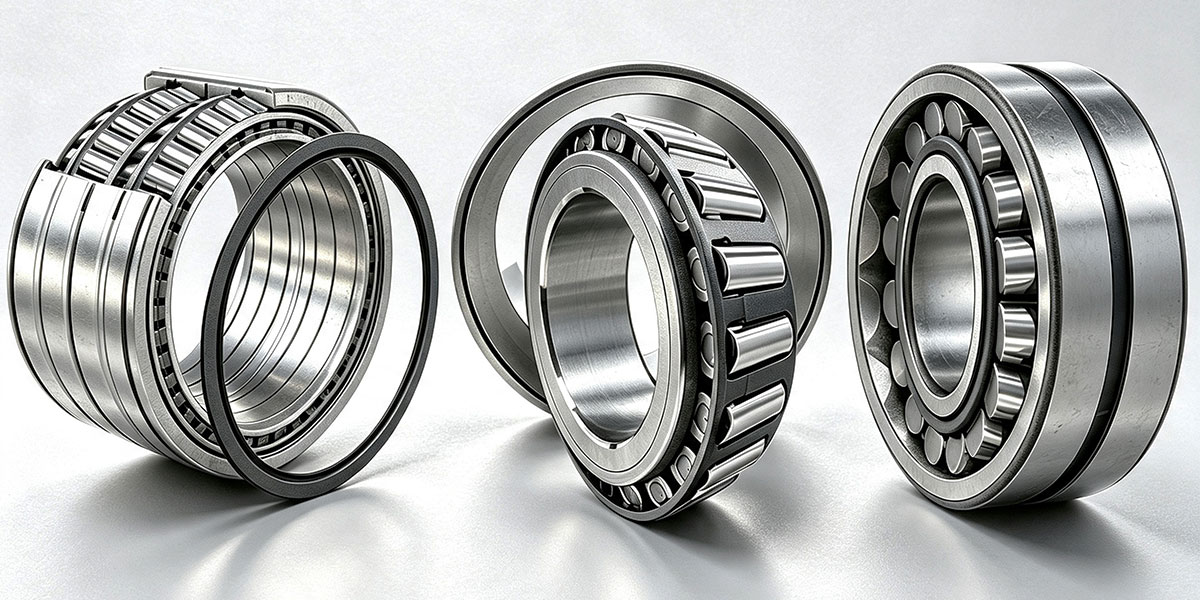
Bearings are the “joints” of industrial equipment and key to controlling maintenance costs and improving efficiency. Choosing the right bearings reduces failures, extends service life, and cuts hidden costs from replacements, downtime, and related damage. Choosing the wrong ones leads to frequent downtime, higher labor costs, or even irreversible damage to shafts and housings. First-line selection does not require rigidly following parameter tables; the core is to match bearings to actual equipment conditions, balance performance and cost, and avoid blind pursuit of high-end or cheap options.
I. Core Selection: Prioritize Load Characteristics for Cost-Saving Precision
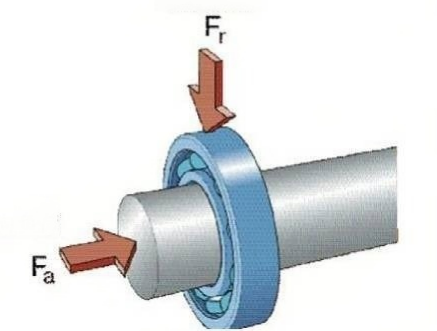
Load characteristics are fundamental to bearing selection and cost control. Choose the right model for different loads to avoid waste or premature failure. Industrial loads are mainly pure radial or combined radial-axial; practical, cost-effective selection methods are as follows:
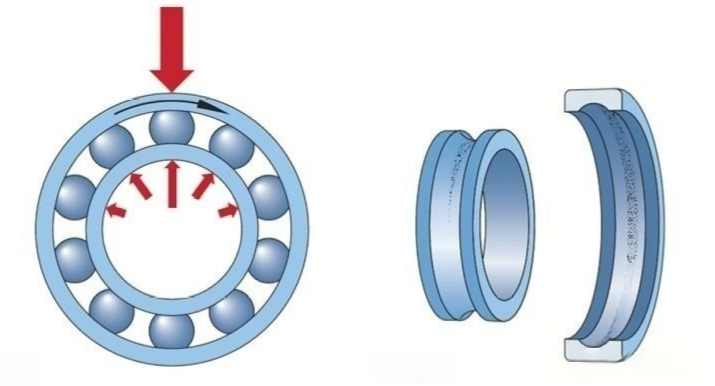
1. Pure Radial Loads: Choose general-purpose bearings for light to medium loads, and specialized bearings for heavy loads.
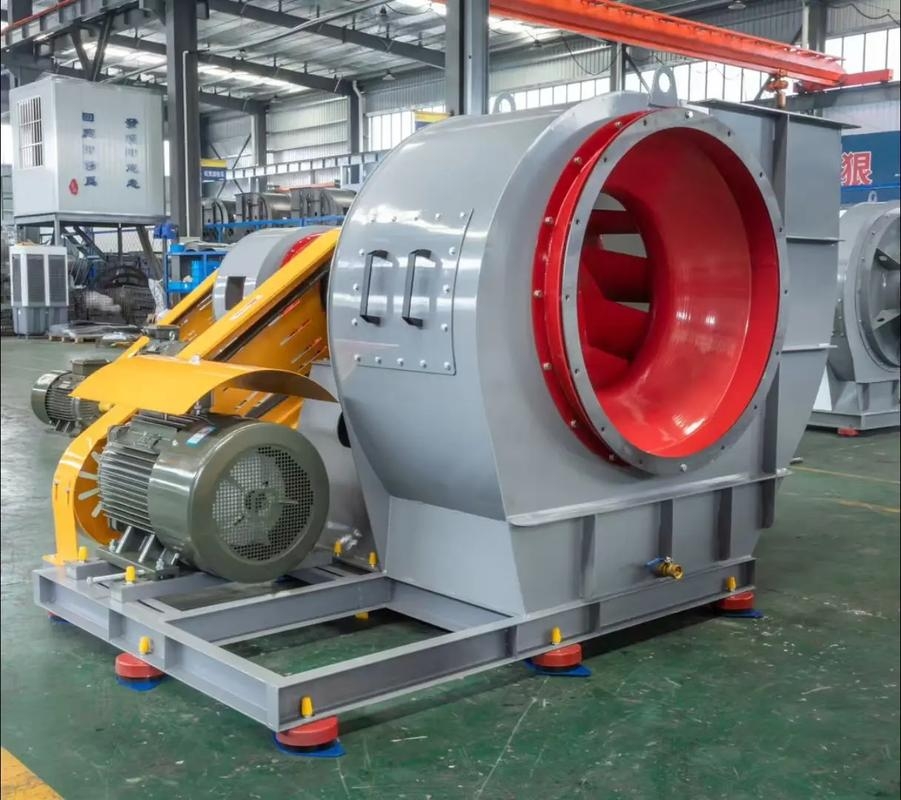
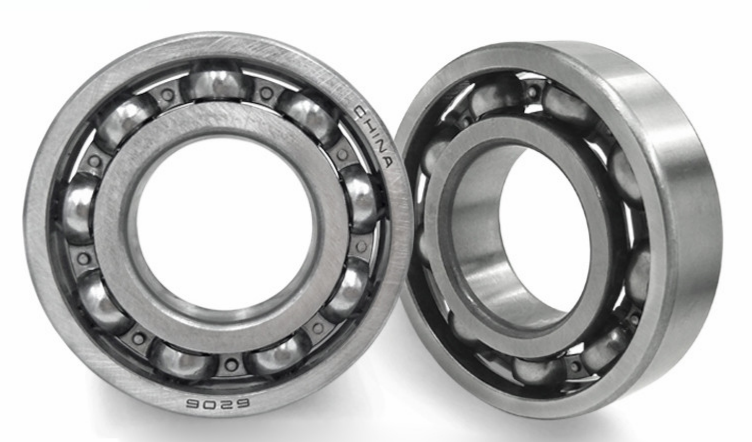
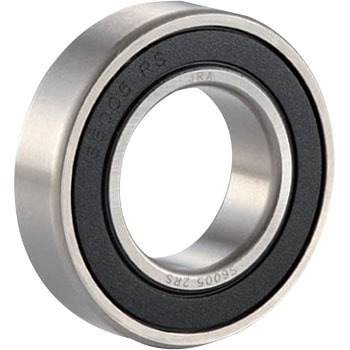
For light to medium load equipment such as fans, pumps, and ordinary conveyor belts, which primarily experience radial loads, high-end bearings are unnecessary. Deep groove ball bearings are the preferred choice due to their simple structure, low manufacturing cost, convenient installation and maintenance, and extremely high cost-effectiveness. For example, a commonly used 1.5kW centrifugal fan can directly use a 6206 deep groove ball bearing. With proper lubrication, it can operate normally for two to three years without replacement, significantly reducing replacement costs and downtime losses. Practical data shows that using deep groove ball bearings in this type of application can reduce procurement costs by more than 30% compared to high-end bearings, while fully meeting the operating requirements.
For heavy-duty applications such as rolling mills, large motor rotors, and mining crusher spindles, cylindrical roller bearings are required. Their rollers and raceways make line contact, evenly distributing the load, providing strong impact resistance, and preventing bearing deformation and damage due to overload. In the long run, this actually reduces replacement frequency and maintenance costs. For example, N2210 cylindrical roller bearings are used on the roll shafts of small rolling mills. They can withstand the instantaneous impact forces during rolling, reduce downtime due to malfunctions, and extend the lifespan by more than 40% compared to ordinary bearings, indirectly reducing operating costs.
2. Composite Loads: Scenario-Specific Selection, Avoiding Over-Configuration
When equipment simultaneously bears radial and axial loads, precise selection based on speed and accuracy requirements is necessary. Avoid over-configuration for “high precision, high cost,” and also avoid failures caused by improper selection.
For medium-to-high-speed, high-precision equipment such as machine tool spindles and CNC lathes, angular contact ball bearings are the first choice. Their reasonable contact angle and high rigidity, combined with paired installation, improve rotational accuracy and ensure the regularity of machined parts. The 7008C angular contact ball bearing, commonly used in CNC lathe spindles, meets machining requirements without requiring higher precision grades, reducing procurement costs by approximately 25% compared to high-end models of P4 grade or higher.
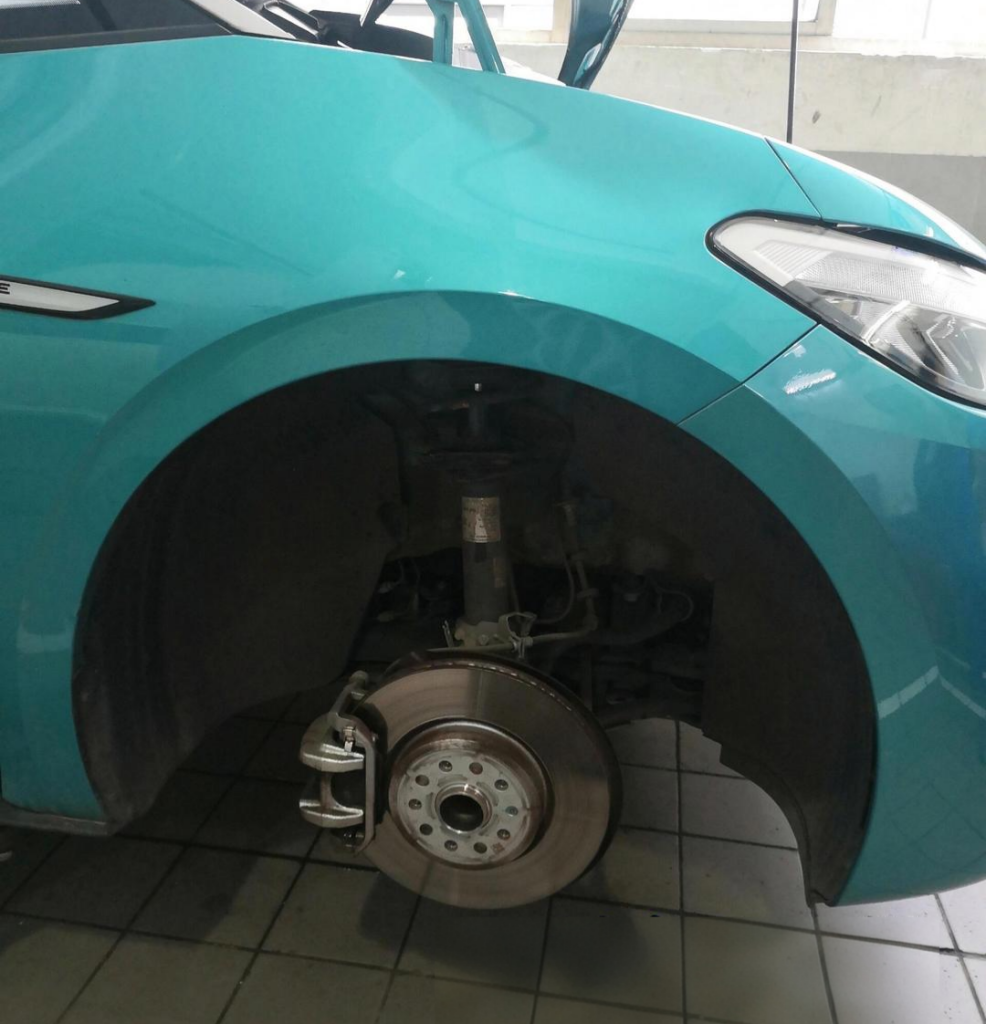
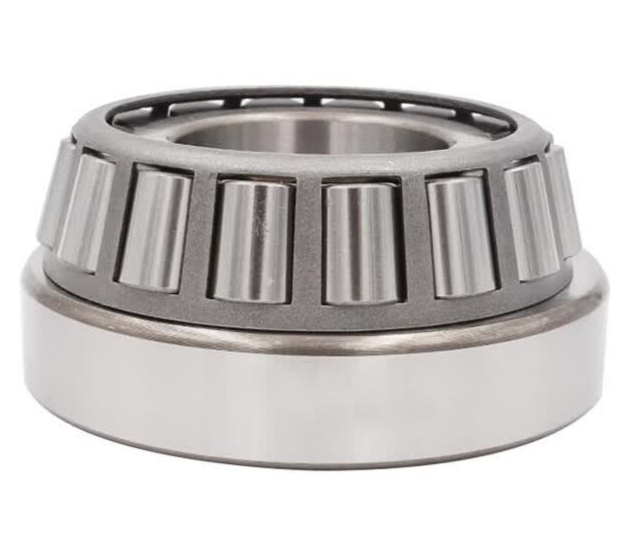
For medium-to-low speed, heavy-load equipment such as automotive wheel hubs, reducers, and cranes, tapered roller bearings are the optimal choice. They offer strong axial load capacity, adapt to load fluctuations during start-up and shutdown, and are less prone to loosening. The 30208 tapered roller bearing, commonly used in automotive wheel hubs, is versatile, easy to procure, and has low maintenance costs, offering significantly improved cost-effectiveness compared to dedicated heavy-duty bearings.
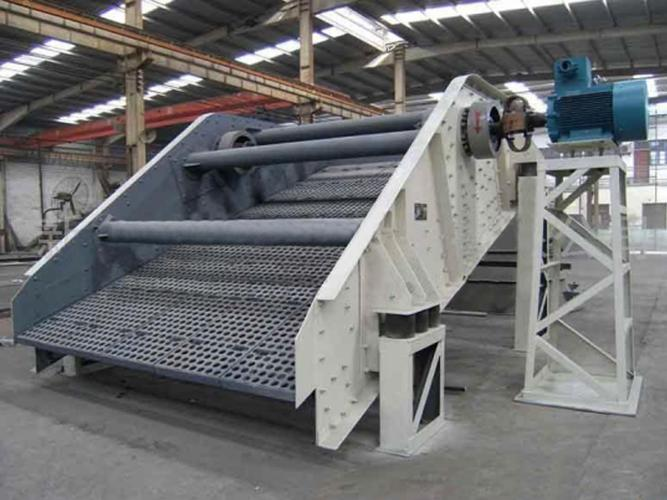
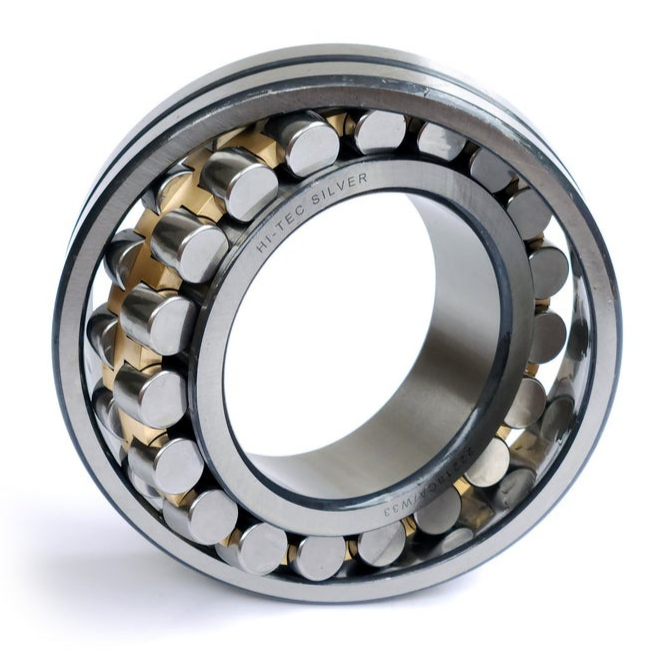
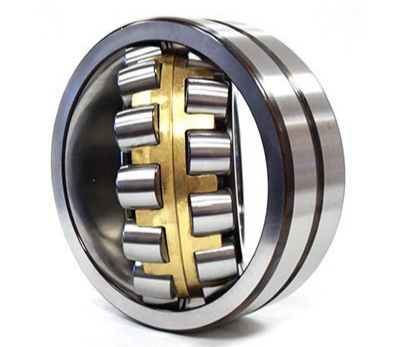
In applications involving overturning moments and poor shaft alignment, such as vibrating screens, cement equipment, and mining conveyors, self-aligning ball bearings or self-aligning roller bearings are more suitable. They automatically compensate for slight shaft misalignment, reducing bearing seizure and wear, and lowering downtime maintenance costs. The 22212 self-aligning roller bearing, commonly used in mining vibrating screens, can withstand harsh working conditions, has a lifespan more than twice that of ordinary bearings, and can reduce long-term maintenance costs by 50%.
II. Key Considerations: Speed + Temperature – Avoiding Failure and Reducing Costs
Speed and temperature are the main causes of premature bearing failure and hidden “killers” of cost waste. Mismatched speeds can lead to overheating and damage, while excessive temperatures accelerate bearing aging. Both increase replacement frequency and downtime losses. Selecting bearings that match the speed and temperature conditions effectively avoids these problems and optimizes costs.
1. Speed Matching: Ball Bearings for High Speeds, Roller Bearings for Low Speeds
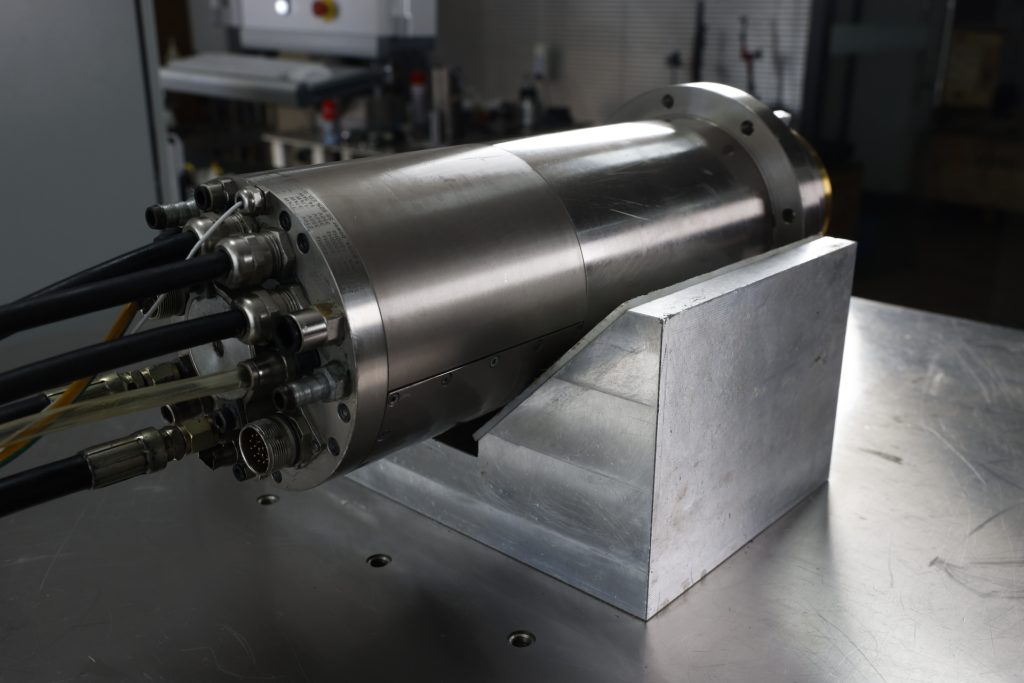
For high-speed equipment exceeding 10,000 rpm (such as high-speed electric spindles and centrifuges), roller bearings are strictly prohibited. Roller bearings have high frictional resistance and generate significant heat, making them prone to failure at high speeds, thus increasing costs. Deep groove ball bearings or angular contact ball bearings are preferred. If the temperature is high, ceramic hybrid bearings can be used, which generate less heat, have high wear resistance, and a lifespan twice that of ordinary bearings. Although the initial purchase cost is slightly higher, it significantly reduces replacement and downtime losses, making it more cost-effective in the long run. For example, high-speed electric spindles with speeds up to 15,000 rpm can use ceramic hybrid angular contact ball bearings, reducing component replacements by 2-3 times per year.
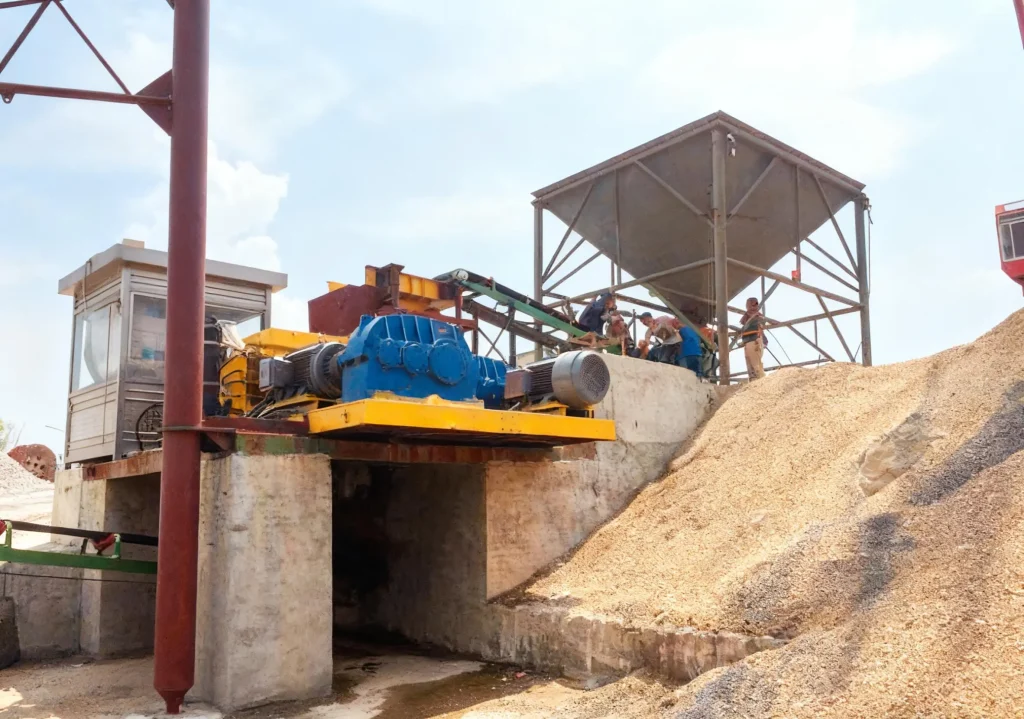
For low-speed, heavy-duty equipment with speeds below 3,000 rpm (such as eccentric shafts in mining crushers and large reducers), self-aligning roller bearings or cylindrical roller bearings are selected. These are durable, impact-resistant, and wear-resistant, requiring less frequent maintenance and reducing component replacement costs. For mining crusher eccentric shafts with speeds of only 300 rpm, self-aligning roller bearings can be used to avoid bearing damage caused by excessively low speeds and heavy loads, extending their service life to over 3 years. Compared to ordinary bearings, this saves 60% on annual component replacement costs.
2.Temperature Compatibility: Standard bearings for regular use, special bearings for extreme conditions.
For standard industrial scenarios (temperatures -20℃ to 120℃), ordinary bearings are sufficient; there is no need to purchase additional high-temperature resistant or corrosion-resistant bearings, avoiding cost waste. However, for scenarios exceeding the standard temperature range, specialized bearings must be used; otherwise, rapid bearing failure will occur, increasing costs. For high-temperature applications (≥150℃) such as metallurgical furnaces and high-temperature conveyor belts, M-material high-temperature resistant bearings are required. These bearings can operate stably in high-temperature environments, preventing grease evaporation and bearing seizure due to dry friction. Although the purchase cost is 20% higher than ordinary bearings, they prevent equipment damage and reduce significant losses. For example, using M-material high-temperature resistant bearings on the main shaft of a metallurgical furnace conveyor belt can prevent conveyor belt downtime due to bearing failure.
For humid and corrosive environments such as chemical plants, marine equipment, and electroplating workshops, ordinary bearings are strictly prohibited. SUS440C stainless steel bearings with 2RS seals are required, effectively preventing the intrusion of corrosive media and moisture, and preventing bearing rust and seizure. For example, SUS440C stainless steel bearings with 2RS seals are used on the agitator shaft of a chemical plant reactor, with a service life of over 2 years. Compared to ordinary bearings (which only last 3 months), this significantly reduces replacement frequency and maintenance costs, resulting in higher long-term cost-effectiveness.
III. Cost Optimization: Balancing Space and Precision, Avoiding Overinvestment
The core of industrial bearing selection is “fit,” not “high-end.” Avoid overinvestment by matching bearings to space and precision needs.
1. Installation Space
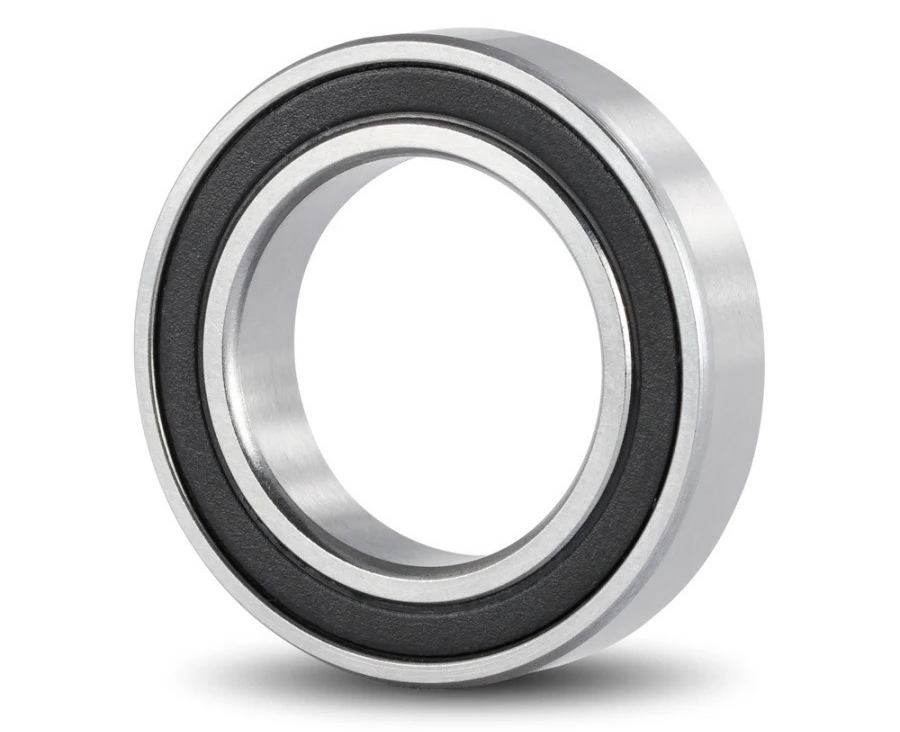
For compact equipment (small motors, instruments), needle roller bearings save space and cut procurement costs by 15%. For radial-space-constrained equipment (small instrument spindles), 6804 thin-walled deep groove ball bearings are 30% smaller and 20% cheaper.
2. Precision Requirements
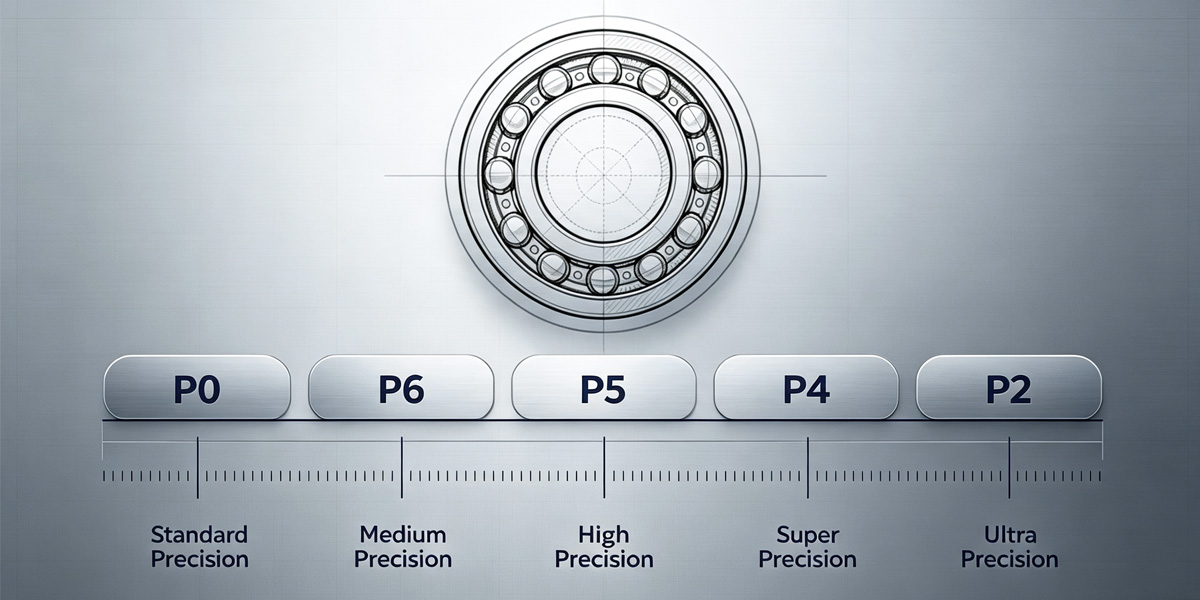
P0 grade bearings suffice for ordinary equipment (conveyors, pumps), cutting costs by over 40% vs. P4/P5 grades. High-precision equipment (grinding machines) requires P4/P5 bearings to avoid scrap and higher costs.
3. Operation and Maintenance Costs
Choose long-life, easy-to-maintain bearings. 2RS sealed bearings reduce dust intrusion and maintenance costs by 30% in dusty environments. 22220 self-aligning roller bearings for large equipment reduce downtime by 2-3 times annually. Bulk purchasing general bearings (e.g., 6200 series) cuts procurement costs by 20%-30%.
IV. Avoiding Pitfalls: Avoiding 3 Common Selection Mistakes to Save Costs and Avoid Detours
In frontline selection, many companies fall into common pitfalls, leading to frequent bearing failures and wasted costs. The following three common mistakes must be avoided; avoiding each one can prevent unnecessary losses:
Mistake 1: Selecting bearings solely based on shaft diameter, without load verification. Many professionals blindly select bearings simply because the shaft diameter matches, ignoring the load size and type, causing rapid bearing failure due to overload. For example, a workshop fan selected roller bearings solely based on shaft diameter, without considering its light-load, high-speed operation. It failed after only one month of operation due to overload and overheating, wasting bearing costs and causing downtime losses. This mistake can be completely avoided by simple load verification.
Mistake 2: Misusing roller bearings in high-speed scenarios. Roller bearings have high frictional resistance and generate significant heat at high speeds, making them prone to failure. Many companies, unaware of their speed characteristics, mistakenly use roller bearings in high-speed equipment, leading to frequent replacements. For example, a high-speed electric spindle, mistakenly using cylindrical roller bearings, failed after only three months of operation. The bearing replacement and downtime resulted in losses amounting to tens of thousands of yuan. Correctly selecting ceramic hybrid angular contact ball bearings could avoid such problems.
Misconception Three: Using ordinary bearings in corrosive and dusty environments. In chemical plants, mines, and other similar settings, ordinary bearings are easily corroded and exposed to dust, leading to seizure and failure. Many companies choose ordinary bearings to save on procurement costs, but this often increases costs due to frequent replacements and equipment damage. For instance, the agitator shaft of a chemical plant’s reactor, using ordinary bearings, corroded and seized after only three months. Bearing replacement and equipment repair cost tens of thousands of yuan. Switching to stainless steel sealed bearings extended the lifespan to over two years, significantly reducing losses.
Final Thoughts:Cost Reduction Relies on “Fit”
Rational bearing selection depends on matching operating conditions (load, speed, temperature), space, precision, and maintenance needs. Avoid pitfalls and use practical experience to choose cost-effective bearings. This ensures stable equipment operation, reduces total lifecycle costs, and helps enterprises cut costs and improve efficiency. Master these practical methods to ensure every “joint” of your equipment operates efficiently, maximizing the value of your investment.