Choosing the right bearing material is one of the most important factors affecting bearing performance and service life. The material determines load capacity, wear resistance, corrosion resistance, operating temperature, rotational speed, and maintenance requirements.
The most common bearing materials include chrome steel (GCr15), stainless steel, engineering plastics, and hybrid ceramic bearings. Each material is designed for different operating conditions.
This guide explains the characteristics, advantages, disadvantages, and typical applications of each bearing material.
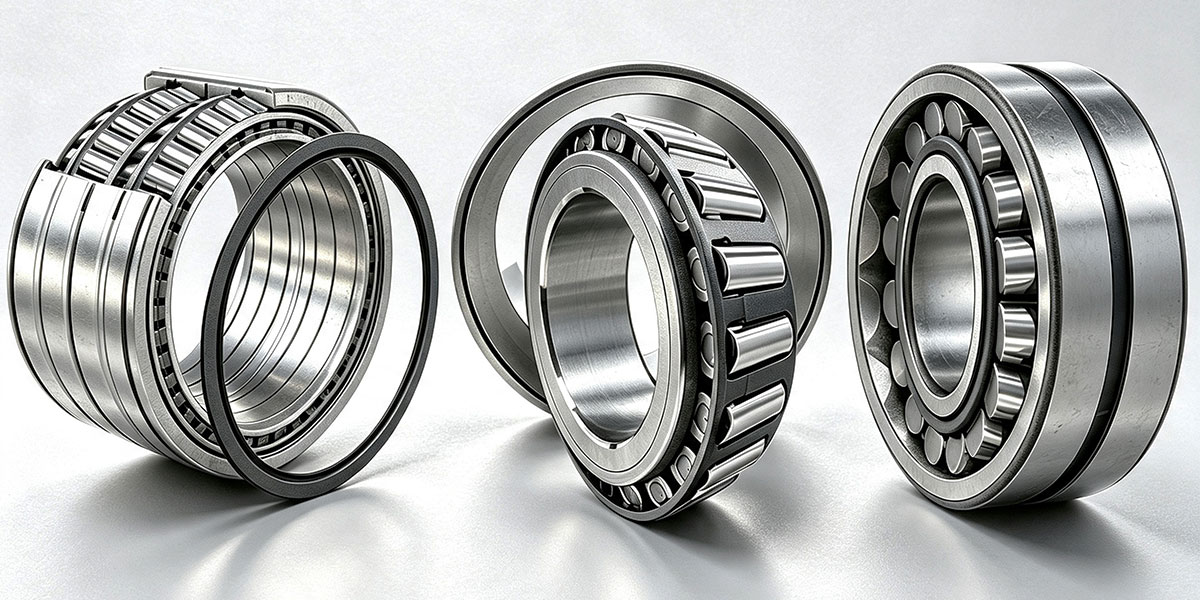
1. GCr15 Chrome Alloy Steel (Standard Bearing Steel)
GCr15 chrome steel is the most widely used material for rolling bearings. It offers an excellent balance of hardness, fatigue resistance, durability, and cost, making it the industry standard for most industrial applications.
Advantages
- High hardness after heat treatment
- Excellent wear and fatigue resistance
- High load-carrying capacity
- Stable dimensional accuracy
- Cost-effective for mass production
Limitations
- Not corrosion resistant
- Requires proper lubrication and sealing
- Unsuitable for highly humid or corrosive environments
Typical Applications
- Electric motors
- Deep groove ball bearings
- Roller bearings
- Pillow block bearings
- Agricultural machinery
- Conveyors
- Textile machinery
- General industrial equipment
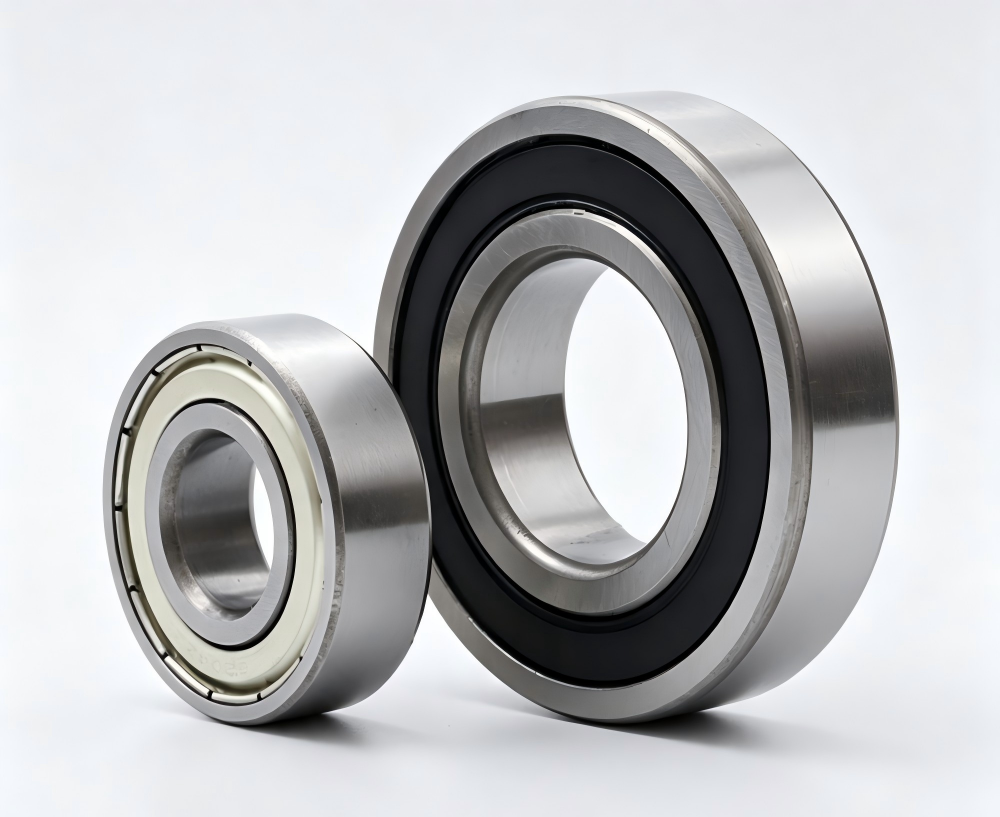
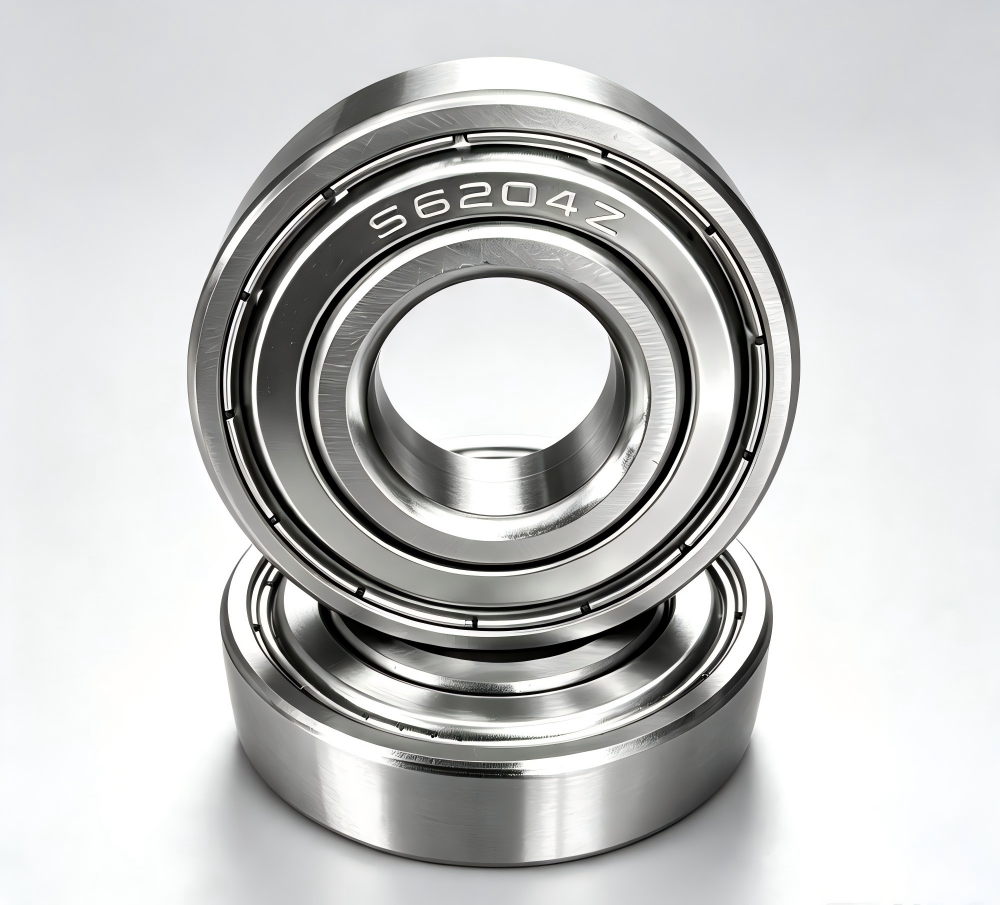
2. Stainless Steel Bearing Materials (440C & 316)
Stainless steel bearings are designed for environments where moisture, chemicals, or frequent washdowns would quickly corrode standard bearing steel.
440C Stainless Steel
440C is the most commonly used stainless bearing steel.
Features
- High hardness
- Good wear resistance
- Better corrosion resistance than GCr15
- Suitable for moderate loads
AISI 316 Stainless Steel
316 stainless steel offers superior corrosion resistance but lower hardness.
Features
- Excellent resistance to seawater
- Resistant to acids and alkalis
- Ideal for highly corrosive environments
- Lower load capacity than 440C
Advantages
- Excellent rust resistance
- Suitable for wet environments
- Easy to clean
- Good chemical resistance
Limitations
- Lower hardness than chrome steel
- Reduced load capacity
- Higher manufacturing cost
Typical Applications
- Food processing equipment
- Beverage machinery
- Medical devices
- Marine equipment
- Pharmaceutical machinery
3. Plastic Bearing Materials (PA66, POM & PEEK)
Plastic bearings are lightweight, corrosion-resistant, and often self-lubricating. They are ideal for clean or low-load environments where metal bearings are unnecessary.
Common Plastic Materials
| Material | Features |
|---|---|
| PA66 | Economical, lightweight, reinforced with glass fiber |
| POM | Low friction, good dimensional stability |
| PEEK | High-performance engineering plastic for demanding applications |
Advantages
- Lightweight
- Corrosion resistant
- Quiet operation
- Self-lubricating
- Non-magnetic
- Chemical resistant
Limitations
- Lower load capacity
- Limited high-temperature performance (except PEEK)
- Lower stiffness than steel bearings
Typical Applications
- Household appliances
- Office equipment
- Automation equipment
- Medical instruments
- Chemical equipment
Why Choose PEEK Bearings?
PEEK is one of the highest-performance engineering plastics. Compared with PA66 and POM, it offers:
- Higher operating temperatures
- Better wear resistance
- Higher strength
- Longer service life
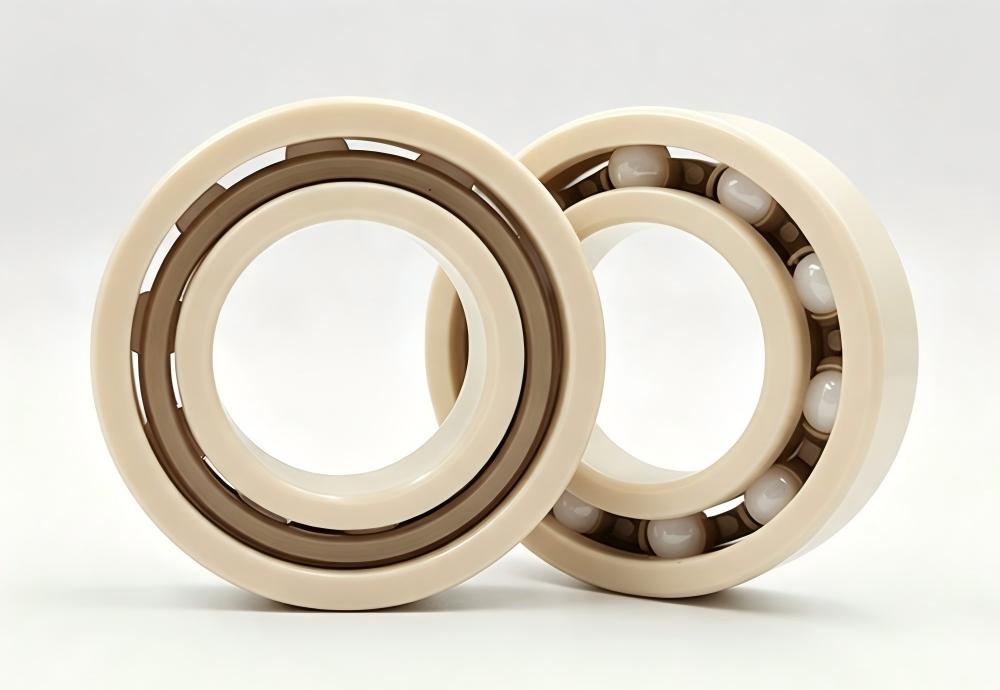
4. Hybrid Bearings (Steel Rings + Ceramic Balls)
Hybrid bearings combine hardened steel races with silicon nitride (Si₃N₄) ceramic balls.
This design reduces friction while improving speed capability and electrical insulation.
Advantages
- Lower friction
- Higher operating speed
- Longer service life
- Electrical insulation
- Lower heat generation
- Better performance under high RPM
Limitations
- Higher manufacturing cost
- More expensive than conventional steel bearings
Typical Applications
- Electric vehicle motors
- High-speed electric motors
- CNC machine spindles
- Precision machinery
- Aerospace equipment
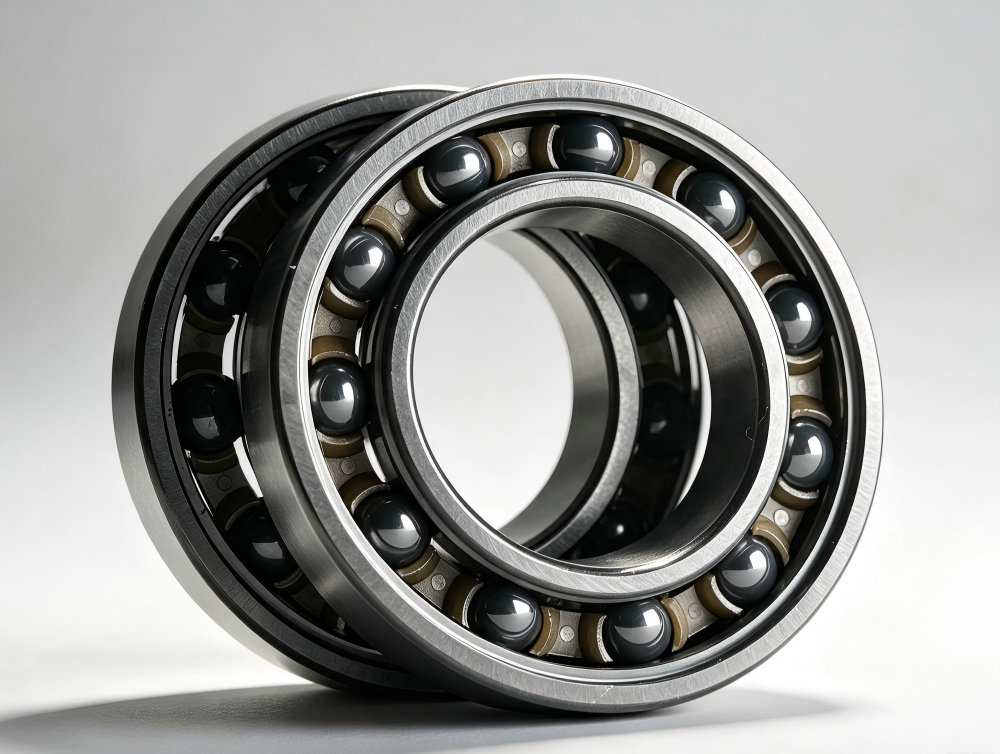
Comparison of Common Bearing Materials
| Material | Load Capacity | Corrosion Resistance | Max Temperature | Cost |
|---|---|---|---|---|
| GCr15 Chrome Steel | ★★★★★ | Low | 120°C | Low |
| 440C Stainless Steel | ★★★☆☆ | Medium | 100°C | Medium |
| 316 Stainless Steel | ★★☆☆☆ | Excellent | 100°C | High |
| PEEK Plastic | ★★☆☆☆ | Excellent | 180°C | Very High |
| Hybrid Ceramic Bearing | ★★★★☆ | Medium | 150°C | Very High |
How to Choose the Right Bearing Material
Consider the following factors before selecting a bearing material:
- Heavy loads: Choose GCr15 chrome steel.
- Wet or corrosive environments: Choose 440C or 316 stainless steel.
- Chemical resistance or lightweight design: Consider plastic bearings.
- High-speed precision equipment: Hybrid ceramic bearings are the preferred choice.
- Budget-sensitive applications: GCr15 offers the best value.
Selecting the right material can significantly improve bearing life while reducing maintenance costs and downtime.
Frequently Asked Questions
- Which bearing material is best for humid environments?
440C and 316 stainless steel bearings are the best choices for wet or humid conditions. For light-duty applications, plastic bearings also provide excellent corrosion resistance.
- Are stainless steel bearings better than GCr15 bearings?
Not necessarily. Stainless steel bearings provide better corrosion resistance, while GCr15 bearings offer higher hardness, greater load capacity, and longer fatigue life in dry industrial environments.
- Can plastic bearings operate without lubrication?
Many plastic bearings can run dry under light loads because they are self-lubricating. However, lubrication may still be beneficial in demanding applications to extend service life.
- What is the strongest bearing material?
For conventional rolling bearings, heat-treated GCr15 chrome steel provides the highest combination of hardness, fatigue strength, and load capacity. For high-speed precision applications, hybrid ceramic bearings deliver superior performance.
Conclusion
There is no universal “best” bearing material for every application. The ideal choice depends on specific operating conditions, including load capacity, rotational speed, operating temperature, humidity, chemical exposure, and maintenance requirements.
Understanding the advantages and limitations of different bearing materials helps improve equipment reliability, reduce downtime, and extend bearing service life. Selecting the right material is essential for achieving long-term performance and operational efficiency.
MBY provides high-quality rolling bearings and customized material solutions for various industrial applications. With OEM and ODM manufacturing capabilities, we help customers develop reliable bearing solutions tailored to their specific performance requirements.