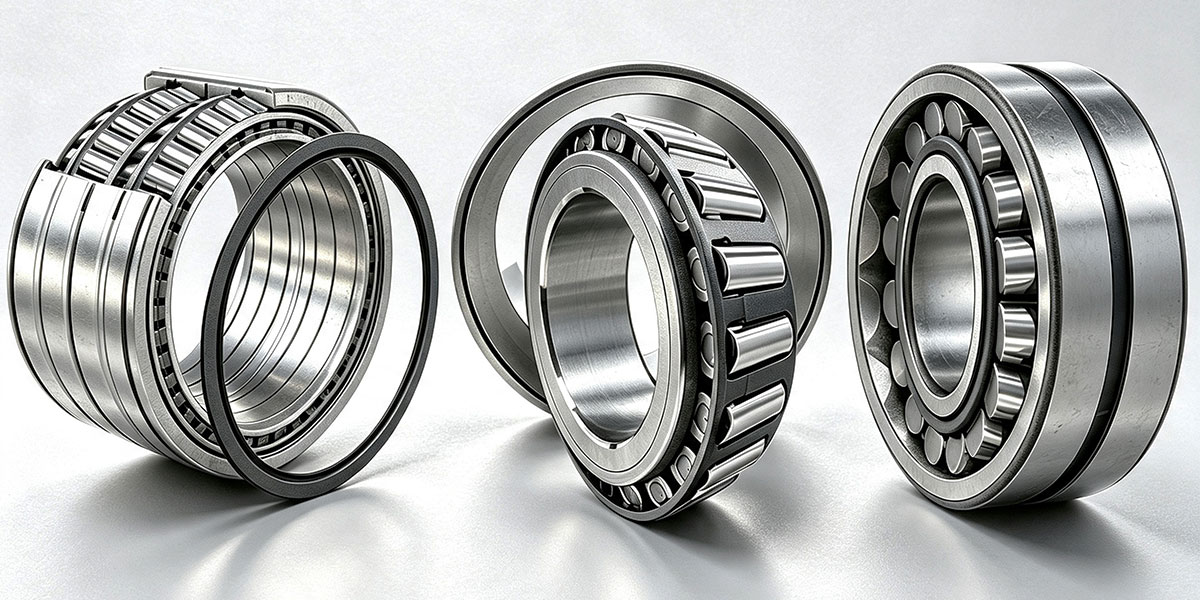
Bearing seals and shields are small but essential components that directly affect bearing service life, operating stability, and maintenance requirements. Even high-quality precision bearings may experience premature failure without proper sealing protection due to grease leakage, dust contamination, moisture, and corrosion.
For engineers, maintenance professionals, and bearing buyers, understanding different bearing seal types is important for selecting the right bearing, reducing downtime, and improving equipment reliability.
This guide explains the most common bearing seal and shield designs, including Z, ZZ, RS, 2RS, RZ, and 2RZ types, along with their advantages, limitations, and typical applications.
1.What Are Bearing Seals and Shields?
Bearing seals and shields are protective structures installed on one or both sides of rolling bearings. Their main functions are:
Prevent contaminants such as dust, dirt, and moisture from entering the bearing
Keep lubricating grease inside the bearing
Protect rolling elements and raceways
Extend bearing service life
Reduce maintenance frequency
Although both seals and shields provide protection, their structures and performance are different.
In bearing designations:
Z / 2Z (ZZ) usually indicates metal shields
RS / 2RS indicates rubber contact seals
RZ / 2RZ indicates rubber non-contact seals
Understanding these codes helps users quickly identify bearing protection levels.
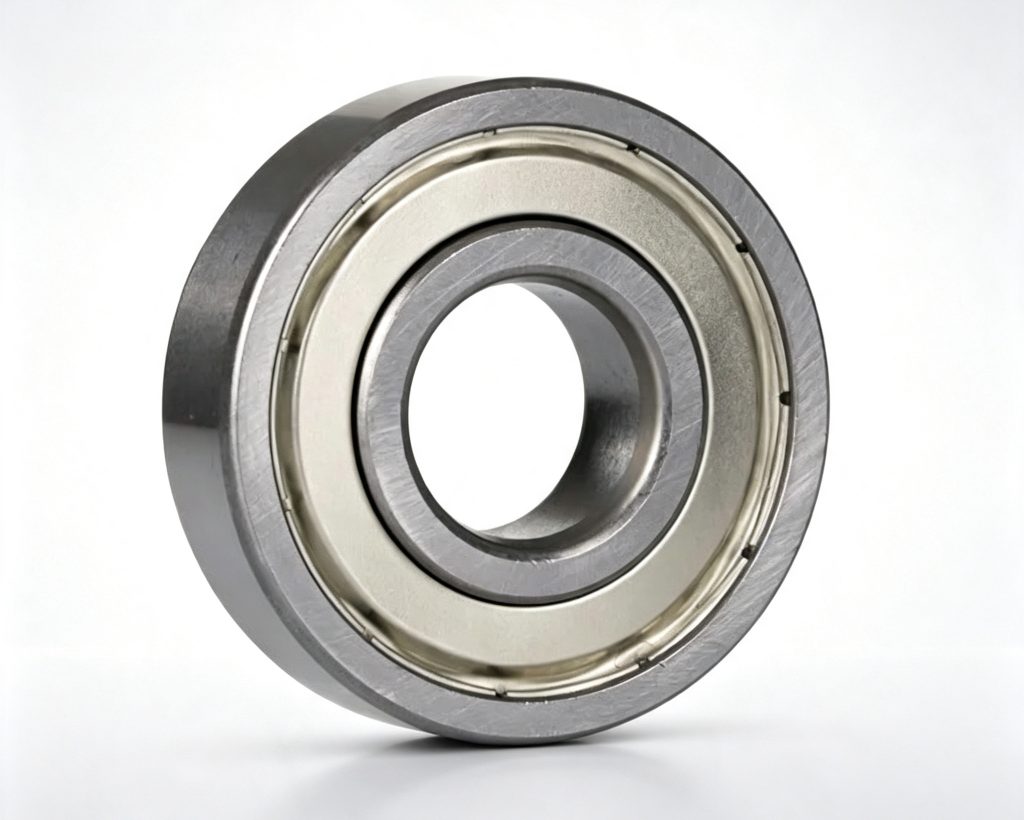
2.Bearing Shields (Z / 2Z): Non-Contact Metal Protection
Bearing shields are thin stamped metal covers installed on one or both sides of the bearing. The shield does not contact the inner ring, creating a small clearance that reduces friction during operation.
Common designations:
- Z – Single metal shield
- 2Z / ZZ – Double metal shields
2.1 Advantages of Bearing Shields
- Low Friction
Because there is no contact between the shield and inner ring, friction resistance is extremely low.
- High-Speed Capability
The non-contact design generates less heat, making shielded bearings suitable for high-speed applications.
- Long Service Life
Since there is no seal lip wear, shielded bearings maintain stable performance during continuous operation.
- Lower Operating Temperature
Reduced friction helps minimize heat generation during high-speed rotation.
2.2 Limitations of Bearing Shields
- Limited protection against fine dust and contaminants
- Poor resistance to water and moisture
- Less effective grease retention compared with rubber seals
2.3 Applications of Shielded Bearings
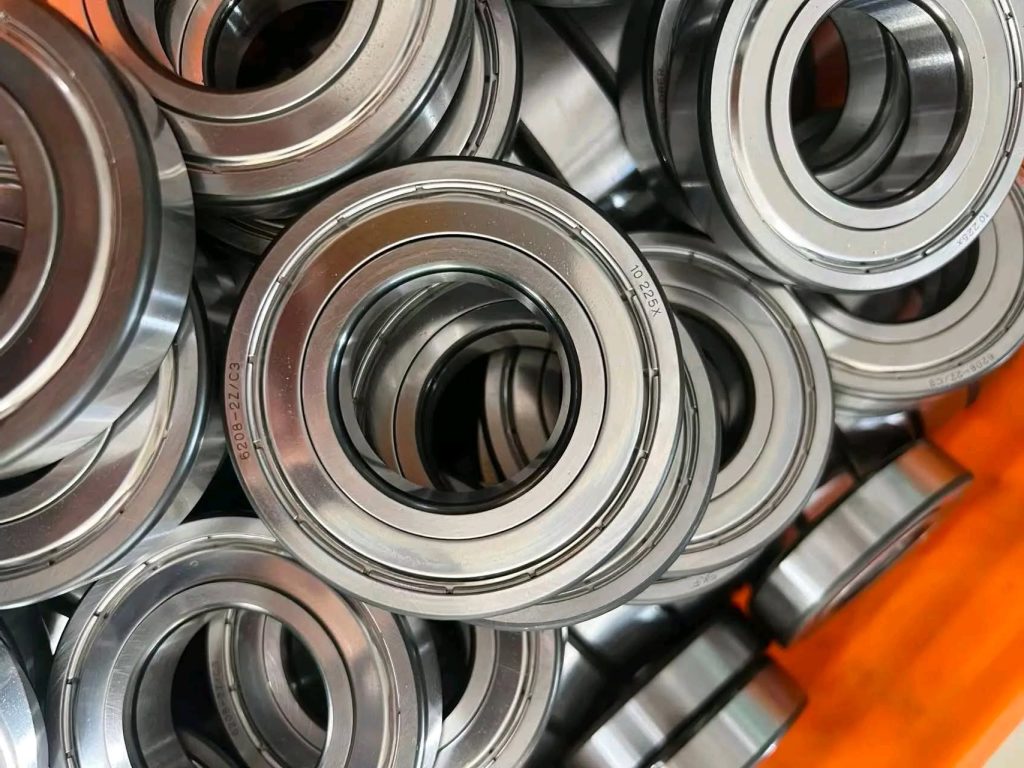
2Z shielded bearings are commonly used in clean and dry environments, including:
- Electric motors
- High-speed fans
- Office equipment
- Small transmission systems
- Precision machinery
Common examples:
- 6200-2Z Series
- 6300-2Z Series
3. Bearing Seals (RS / 2RS): Contact Rubber Protection
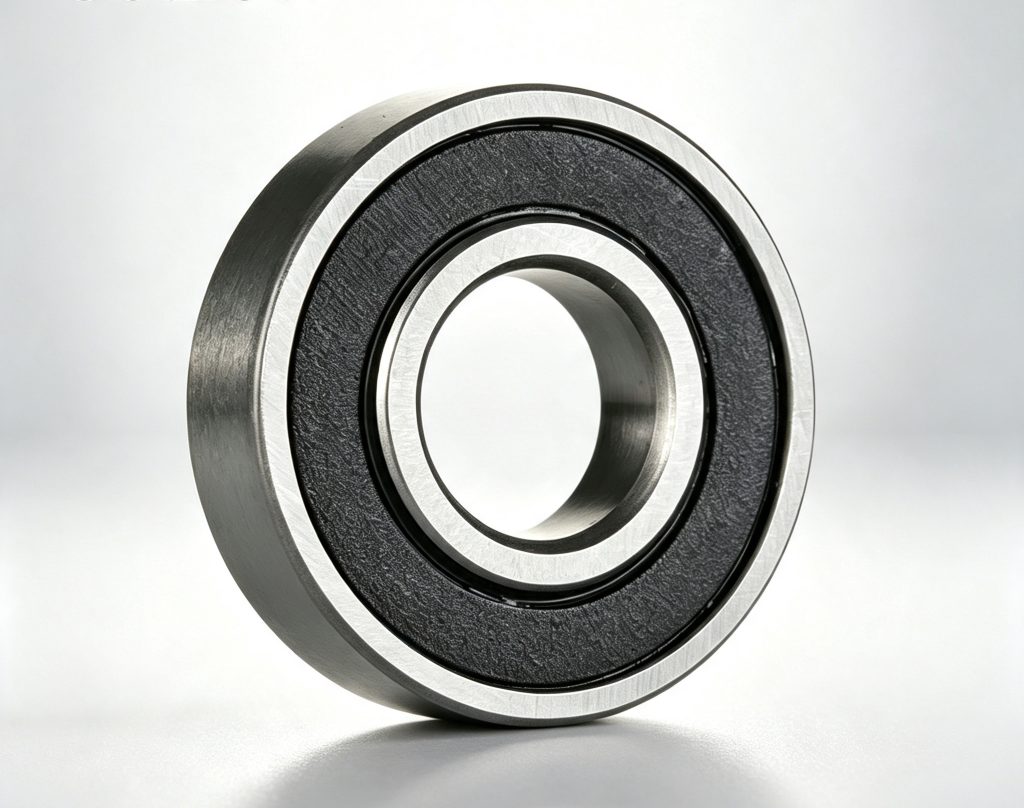
Bearing seals are made from elastic rubber materials and use a sealing lip that contacts the bearing inner ring. This creates a stronger barrier against contaminants.
Common designations:
- RS – Single rubber seal
- 2RS – Double rubber seals
3.1 Advantages of Bearing Seals
- Excellent Contamination Protection
Rubber seals effectively block:Dust,Water mist,Moisture,Fine particles,Industrial contaminants
- Better Grease Retention
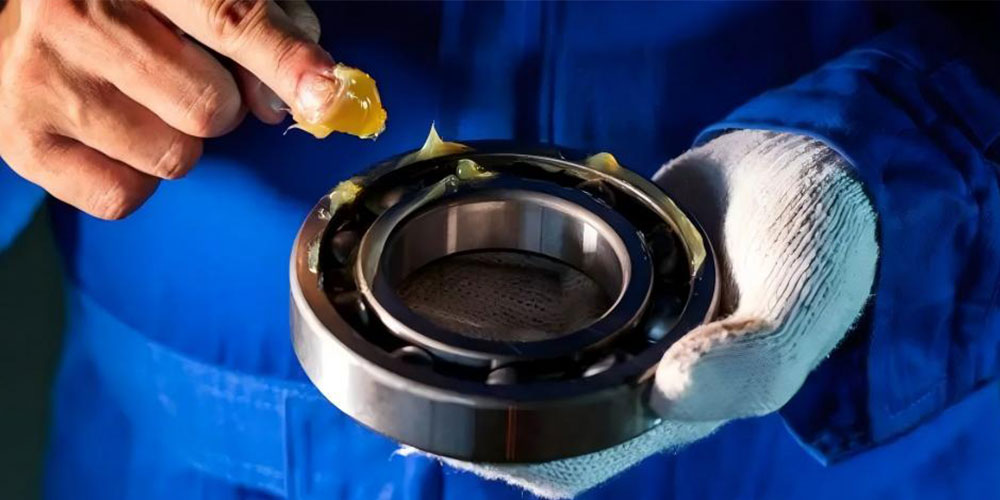
Sealed bearings prevent lubricant leakage and reduce the need for relubrication.
- Suitable for Harsh Environments
2RS bearings perform well in dusty, humid, and outdoor applications.
- Longer Bearing Life
By preventing contamination and corrosion, rubber seals help reduce wear and premature failure.
3.2 Limitations of Bearing Seals
- Higher friction compared with shields
- Lower maximum speed
- Slightly higher operating temperature
3.3 Applications of 2RS Bearings
Common applications include: Agricultural machinery,Automotive components,Conveyor systems,Construction equipment,Industrial machinery,Household appliances
4.Rubber Non-Contact Seals (RZ / 2RZ)
RZ seals are a special type of rubber seal that does not directly contact the inner ring. They combine the advantages of metal shields and contact rubber seals.
Common designations:
- RZ – Single non-contact rubber seal
- 2RZ – Double non-contact rubber seals
4.1 Advantages of RZ Seals
- Lower friction than RS seals
- Better protection than metal shields
- Reduced heat generation
- Suitable for medium and high-speed applications
4.2 Limitations of RZ Seals
- Lower sealing performance than 2RS in extreme contamination
- Limited protection against direct water exposure
4.3 Applications
RZ sealed bearings are widely used in:
- Electric motors
- Industrial automation equipment
- Precision machinery
- Medium-speed rotating equipment
5. Other Bearing Sealing Types
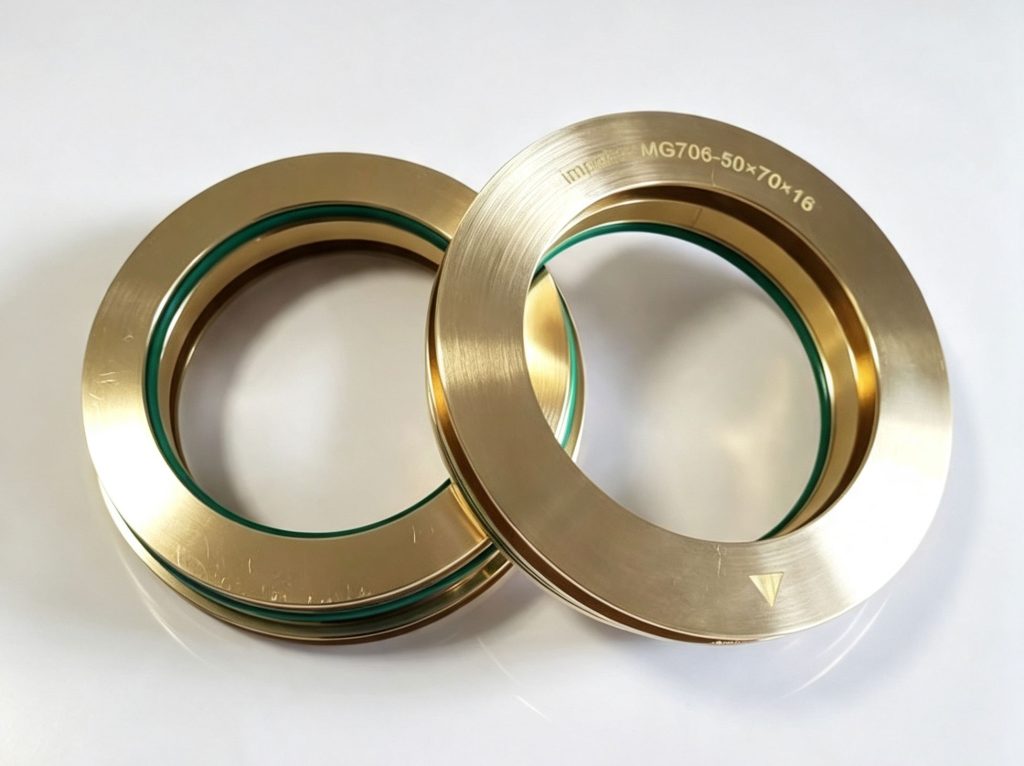
5.1. Labyrinth Seals
Labyrinth seals use a multi-stage passage design to prevent contaminants from entering the bearing.
Advantages
- Non-contact structure
- No friction wear
- Excellent high-speed performance
- Suitable for high-temperature applications
Limitations
- More complex design
- Higher manufacturing cost
- Limited protection against direct water exposure
Applications
- Steel equipment
- Wind turbines
- Large industrial machinery
- Heavy-duty rotating equipment
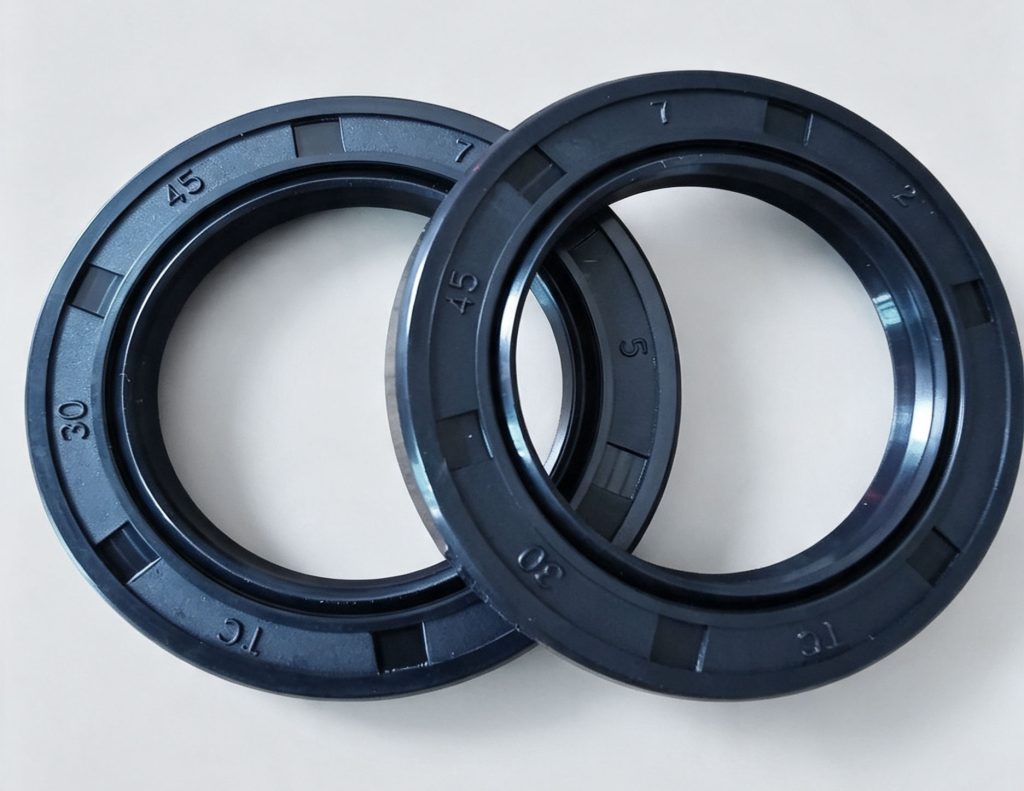
5.2 External Oil Seals
Oil seals are external sealing components installed outside the bearing housing.
They provide additional protection against:
- Mud
- Water
- Heavy dust
- Oil leakage
Oil seals are often combined with 2RS bearings to create a dual sealing system for harsh environments.
Applications:
- Automotive axles
- Agricultural equipment
- Construction machinery
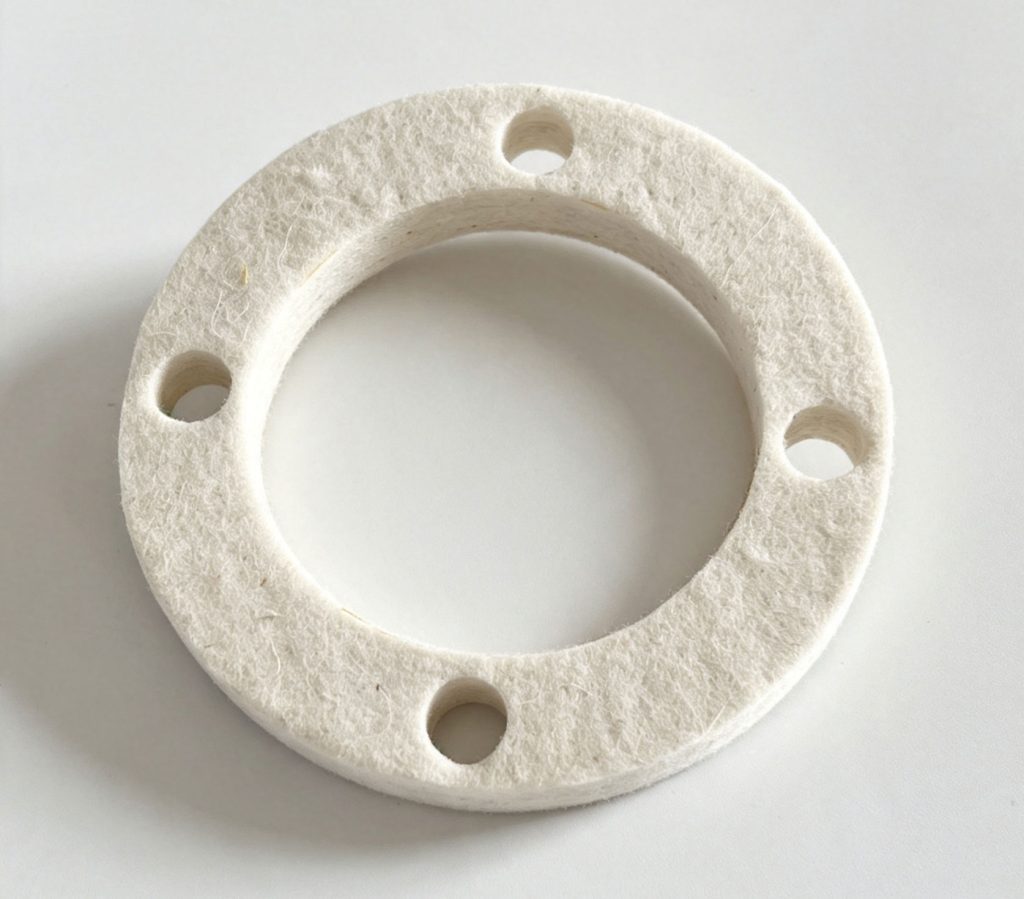
5.3 Felt Seals
Felt seals are traditional low-speed sealing solutions.
Advantages
Simple structure
Low cost
Easy replacement
Limitations
Poor waterproof performance
Limited service life
Not suitable for modern high-performance equipment
Applications:
Older machinery
Low-speed industrial equipment
6. Bearing Seal Codes Explained
| Code | Meaning | Seal Type |
|---|---|---|
| Z | Single metal shield | Non-contact |
| 2Z / ZZ | Double metal shields | Non-contact |
| RS | Single rubber seal | Contact |
| 2RS | Double rubber seals | Contact |
| RZ | Single rubber non-contact seal | Low friction |
| 2RZ | Double rubber non-contact seals | Low friction |
Examples:
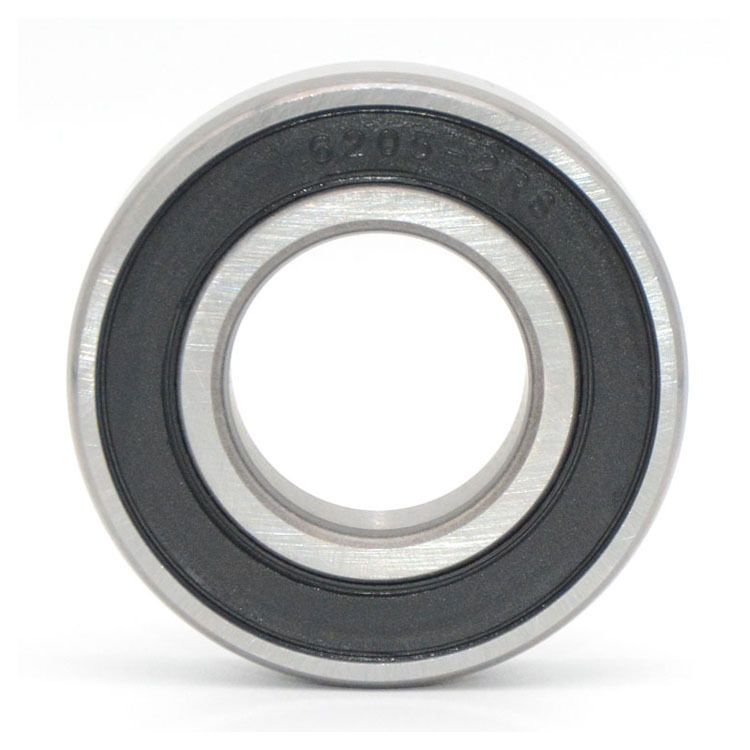
6205-2RS
- Deep groove ball bearing
- Double rubber seals
- Better dust and moisture protection
6205-2Z
- Deep groove ball bearing
- Double metal shields
- Lower friction and higher speed capability
7. Bearing Seal vs Shield: How to Choose?
The correct choice depends on operating conditions.
7.1 Choose 2Z Shielded Bearings When:
- Environment is clean and dry
- High rotational speed is required
- Low friction is important
- Temperature control is critical
Typical applications:
- Motors
- Fans
- Precision equipment
7.2 Choose 2RS Sealed Bearings When:
- Dust or moisture exists
- Maintenance access is limited
- Long grease life is required
- Outdoor operation is involved
Typical applications:
- Agricultural machinery
- Conveyors
- Construction equipment
7.3 Choose RZ / 2RZ Bearings When:
- Lower friction is needed
- Better protection than shields is required
- Medium-to-high speed operation is needed
7.4 Choose Additional Oil Seals When:
- Equipment operates in mud, water, or heavy contamination
- Maximum protection is required
8. Frequently Asked Questions
Are sealed bearings better than shielded bearings?
Not always. 2RS sealed bearings provide better protection against contamination, while 2Z shielded bearings offer lower friction and higher speed capability. The best choice depends on the working environment.
- What is the difference between 2RS and 2Z bearings?
2RS bearings use rubber contact seals and provide better dust and water protection. 2Z bearings use metal shields and are better suited for clean, high-speed applications.
- Can 2RS bearings be used for high-speed applications?
2RS bearings can handle normal industrial speeds, but for extremely high-speed applications, 2Z or RZ designs may be more suitable due to lower friction.
- Do sealed bearings need grease?
Most factory-lubricated 2RS bearings are designed for lifetime lubrication and normally do not require additional grease.
Conclusion
Bearing seals and shields are essential for protecting bearings, retaining lubrication, and extending service life. Different seal types are designed for different operating conditions. Z/2Z shields are ideal for clean, high-speed applications, while RS/2RS seals provide better protection in dusty, humid, or contaminated environments. RZ/2RZ seals offer a balance between sealing performance and low friction.
Choosing the right bearing seal type helps improve equipment reliability, reduce maintenance, and lower operating costs.
MBY supplies a wide range of high-quality bearings with Z, ZZ (2Z), RS, 2RS, RZ, and 2RZ sealing options for automotive, industrial, agricultural, and heavy-duty applications. Contact us to find the right bearing solution for your needs.