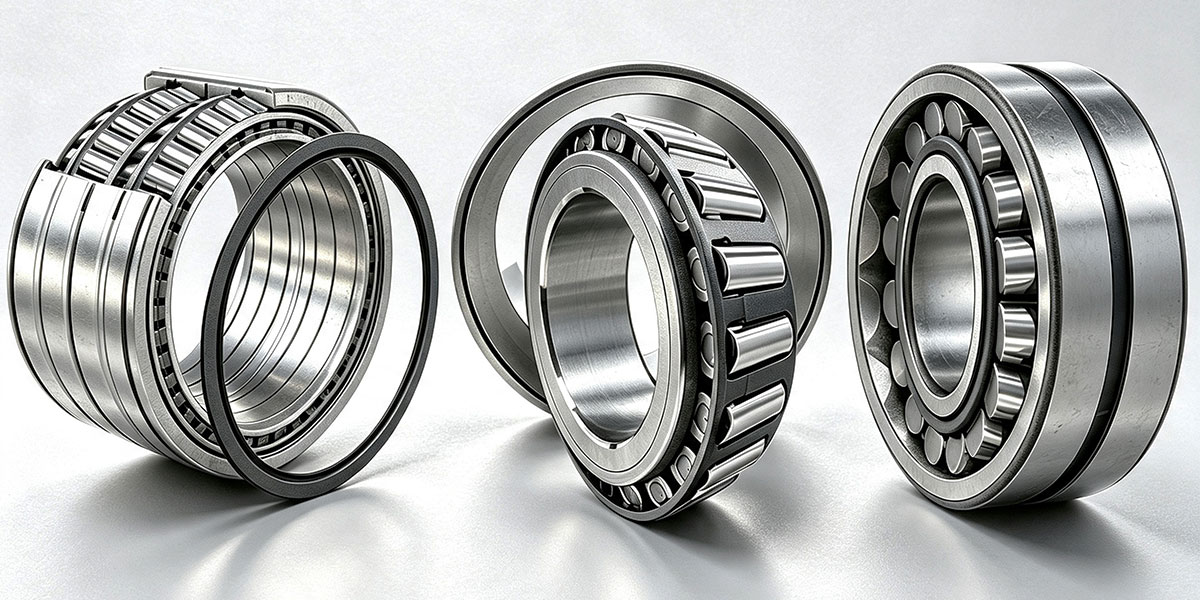
Spherical roller bearings (SRBs) are a key component in a wide range of industrial and mechanical applications. Known for their ability to accommodate misalignment and handle high radial loads, these bearings are indispensable in scenarios where other bearing types might fail due to misalignment or heavy loading conditions. This article delves into the design, functionality, applications, advantages, and considerations of spherical roller bearings, providing a comprehensive understanding of their significance in various industries.
Design and Structure of Spherical Roller Bearings
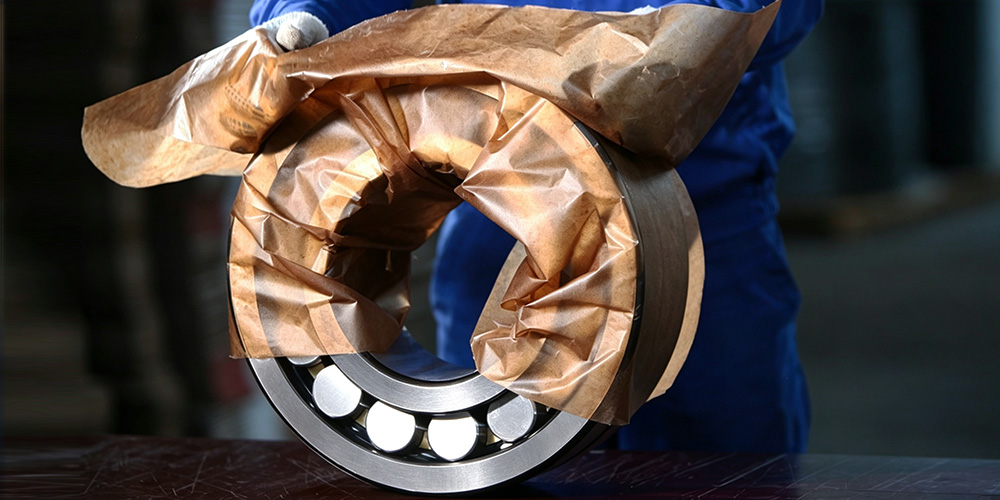
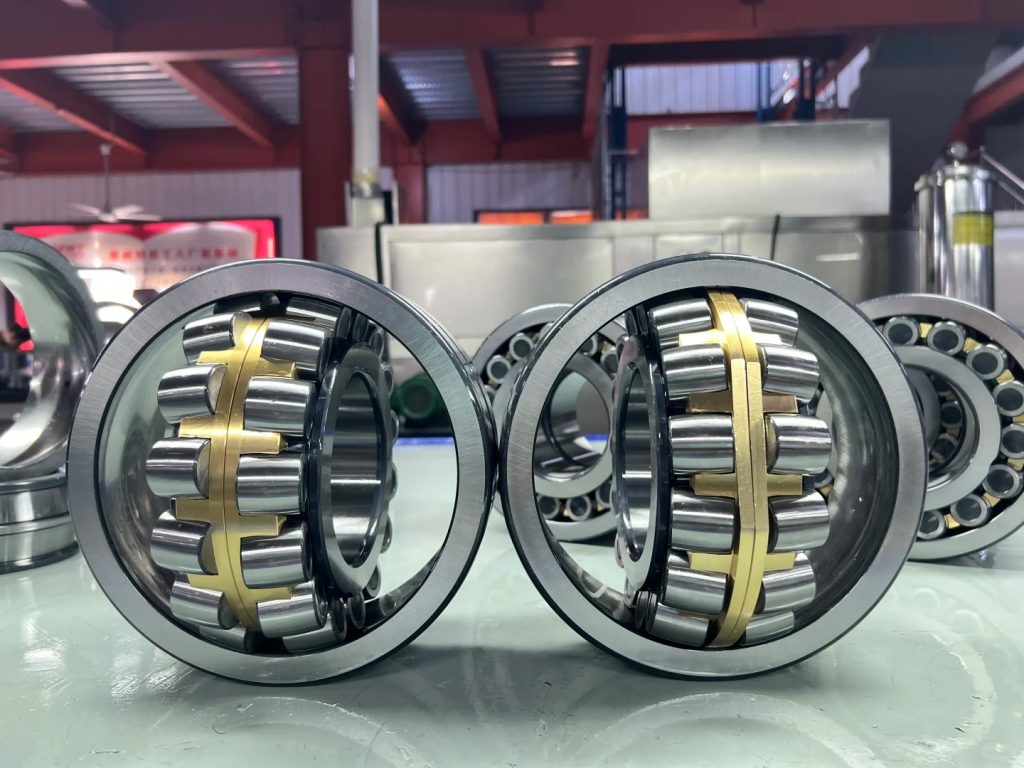
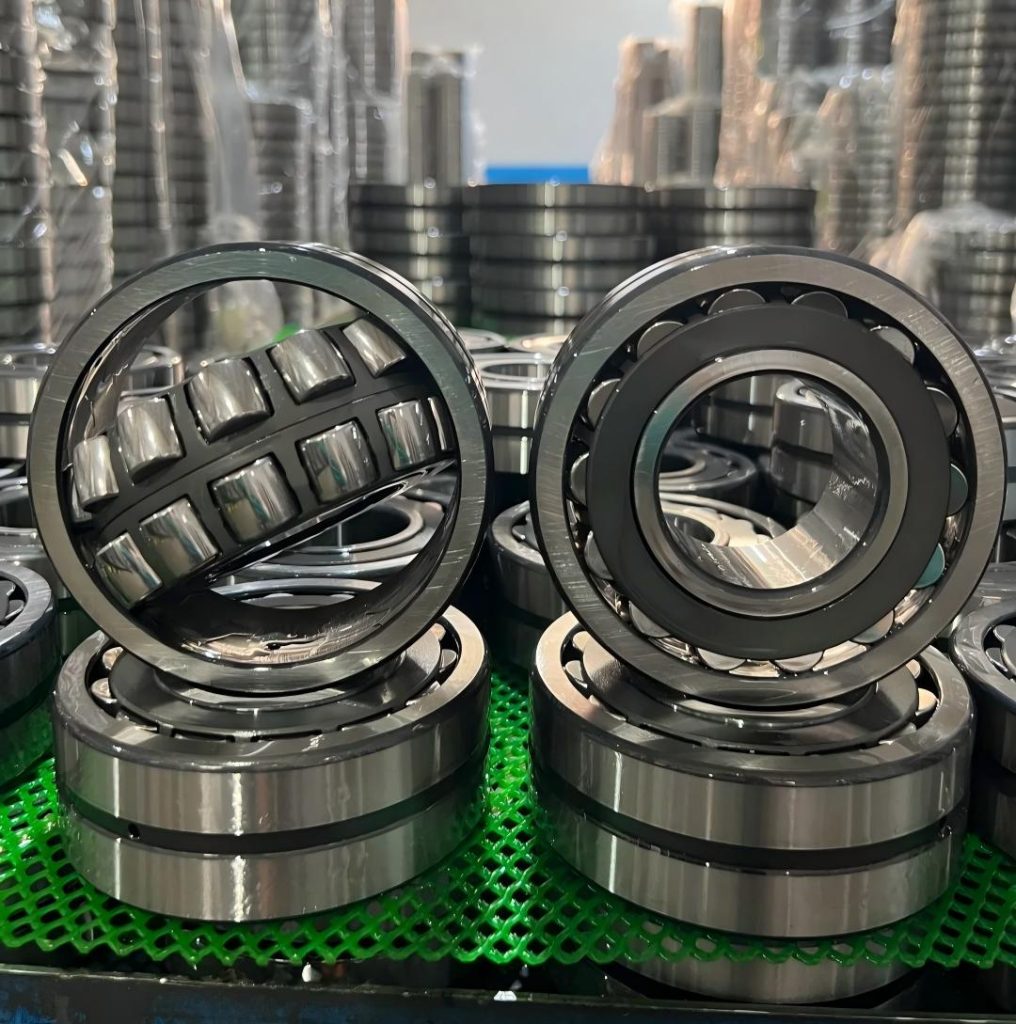
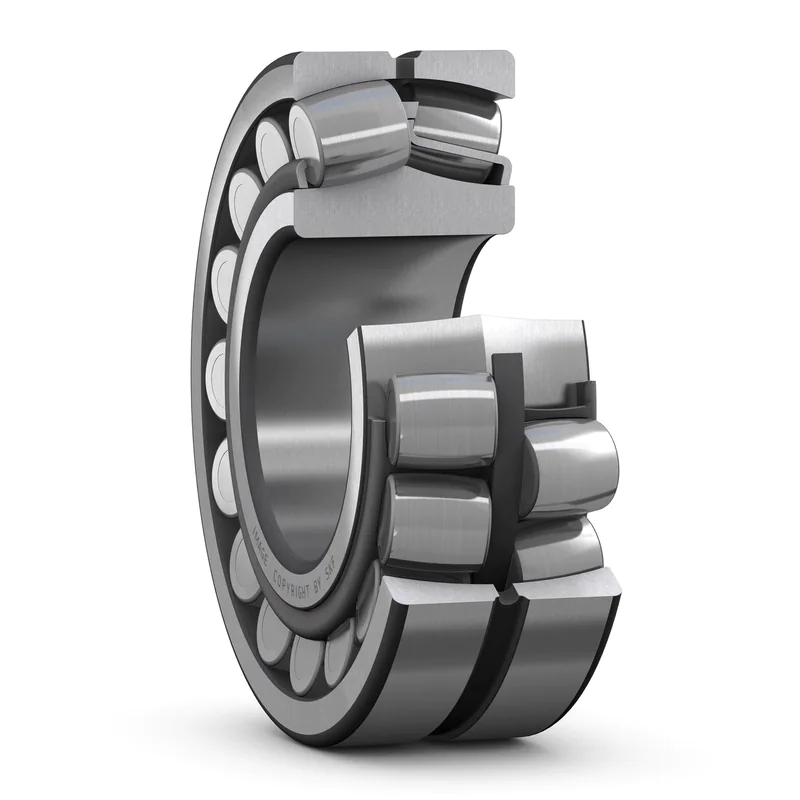
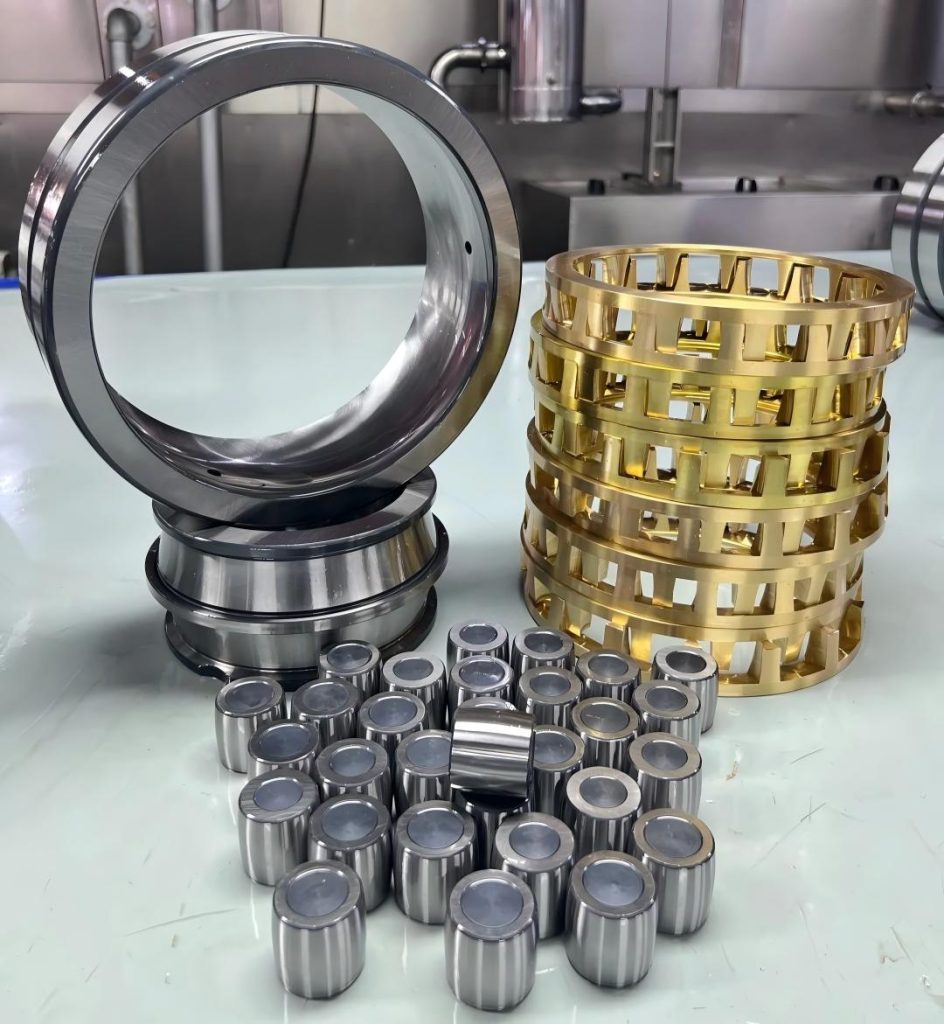
Spherical roller bearings are designed with an inner ring, an outer ring, and two rows of symmetrical spherical rollers. The key design feature of these bearings is their spherical outer raceway, which allows the rollers to align themselves along the bearing’s axis. This design enables the bearing to accommodate angular misalignment, which can result from shaft deflection or installation errors.
Inner and Outer Rings: The inner ring typically features two raceways inclined at an angle relative to the bearing axis, while the outer ring has a single spherical raceway. This configuration allows for the unique self-aligning capability of SRBs.
Spherical Rollers: The rollers are barrel-shaped and arranged symmetrically, allowing them to maintain contact with the raceways even under misalignment. The roller geometry ensures optimal load distribution, reducing stress concentrations and increasing bearing life.
Cage Design: The cage, which holds the rollers in place, is often made from steel or brass, though modern designs may utilize polyamide for specific applications. The cage design is crucial in minimizing friction and wear while ensuring the rollers are evenly spaced.
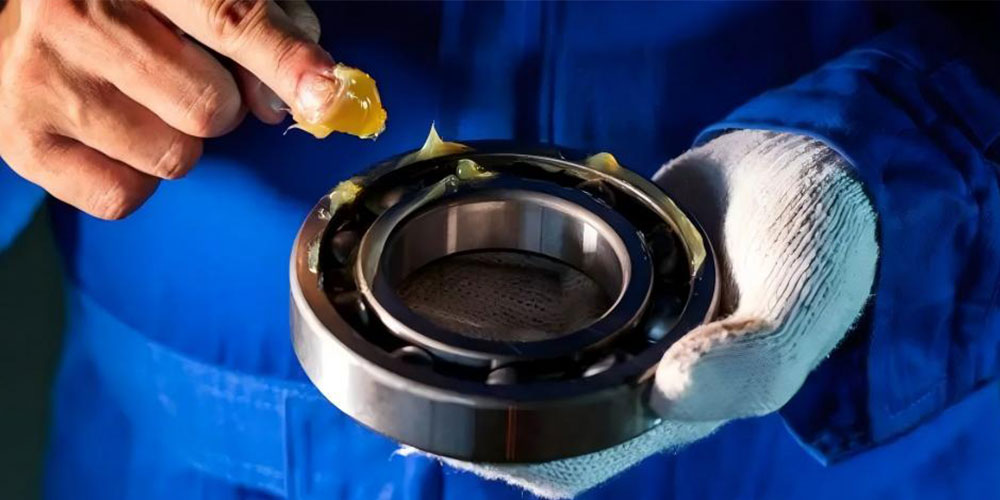
Lubrication Grooves and Holes: Many spherical roller bearings feature lubrication grooves and holes in the outer ring to facilitate easy relubrication, thereby enhancing bearing life and performance.
Functionality of Spherical Roller Bearings
Spherical roller bearings are engineered to handle both radial and axial loads, with a primary emphasis on radial load capacity. Their ability to accommodate misalignment without affecting bearing performance makes them ideal for applications where alignment is difficult to maintain.
Load Capacity: SRBs are capable of supporting very high radial loads due to the large contact area between the rollers and raceways. They can also handle moderate axial loads in both directions, which adds to their versatility.
Misalignment Accommodation: The unique design of SRBs allows for the accommodation of angular misalignment, typically up to 1-2.5 degrees depending on the specific design and application. This feature is particularly beneficial in applications where shaft deflection or mounting errors are common.
Vibration and Shock Absorption: The robust design of spherical roller bearings enables them to absorb vibration and shock loads, making them suitable for heavy-duty applications like mining, construction, and large machinery.
Temperature Tolerance: SRBs are designed to operate under a wide range of temperatures. With proper lubrication, they can function in environments ranging from extremely low to high temperatures, depending on the materials used for the bearing components.
Applications of Spherical Roller Bearings
Spherical roller bearings are used across various industries due to their durability, high load capacity, and ability to accommodate misalignment. Some key applications include:
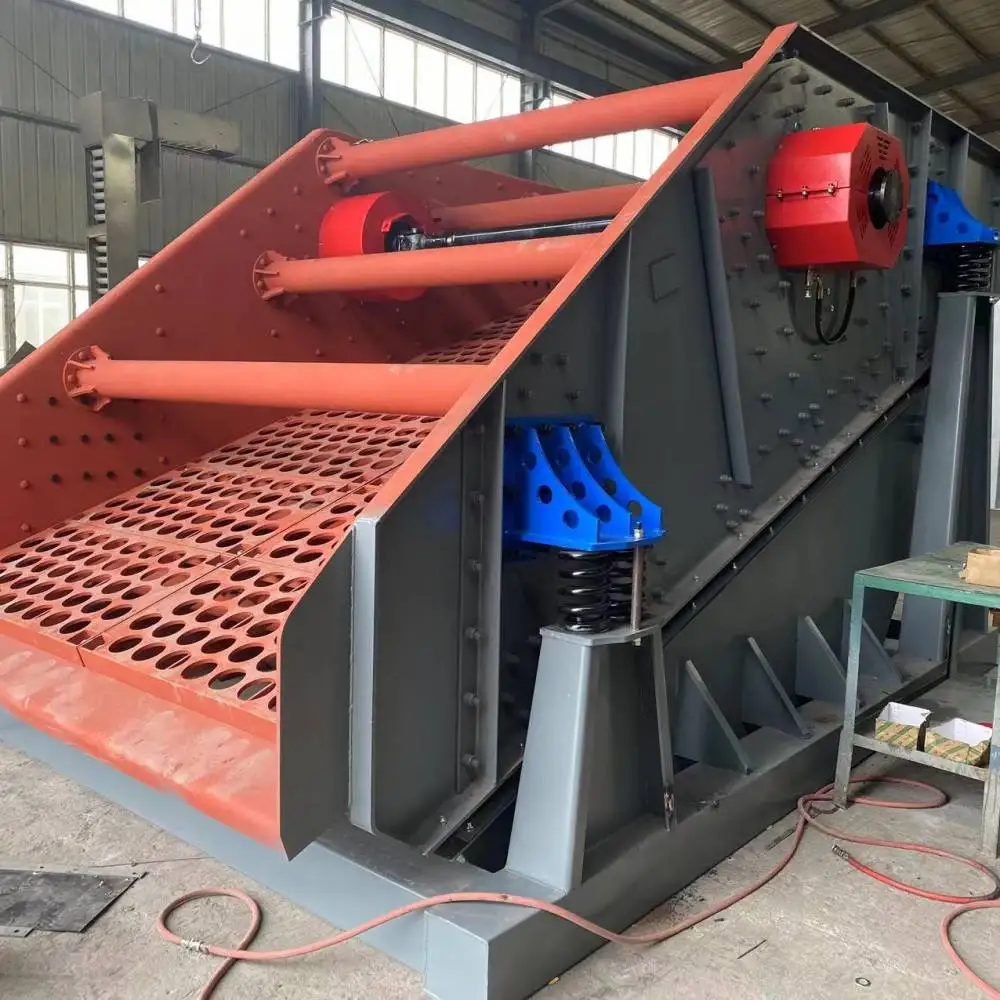
Heavy Machinery: SRBs are commonly used in heavy machinery such as crushers, vibrating screens, and conveyors. Their ability to withstand heavy radial loads and shock impacts makes them ideal for such demanding applications.
Wind Turbines: In wind turbine applications, SRBs are used in main shafts and gearboxes. The bearings’ ability to handle fluctuating loads and compensate for shaft misalignment is crucial in this industry, where reliability and longevity are paramount.
Mining and Quarrying: The harsh environments of mining and quarrying require bearings that can withstand dust, debris, and high impact loads. Spherical roller bearings are often used in equipment like crushers and screens in these industries due to their robust design and reliability.
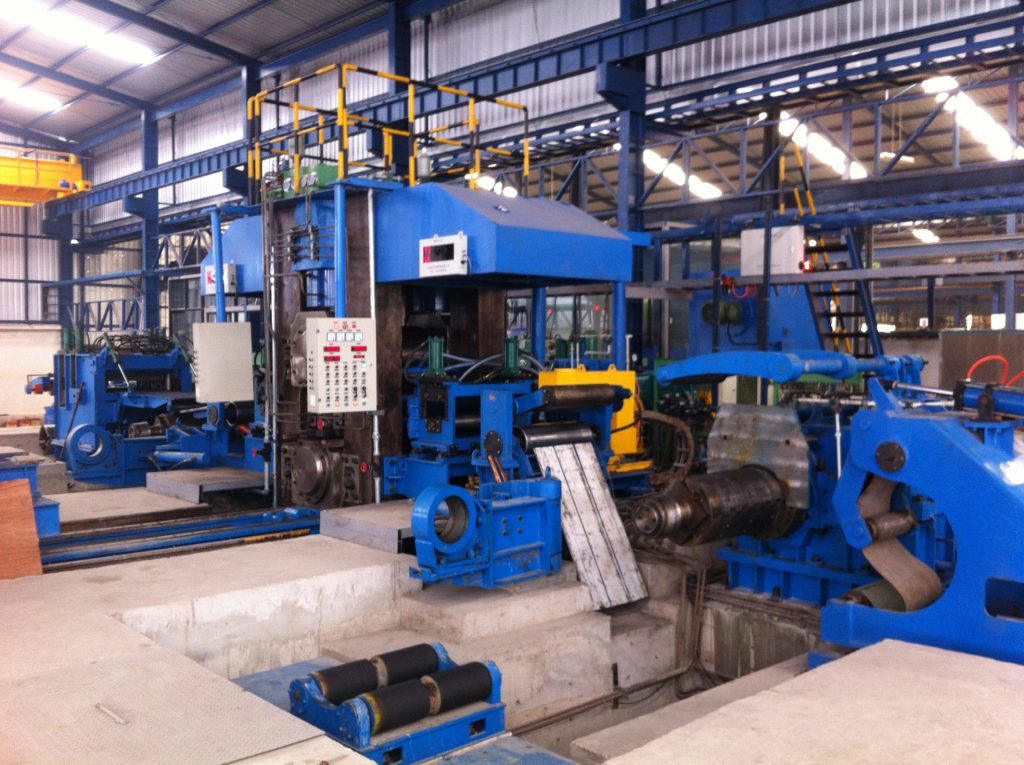
Steel and Metal Processing: In steel mills, where continuous operation and high loads are typical, SRBs are used in roll stands and other equipment. Their ability to handle misalignment and maintain performance under heavy loads makes them ideal for this environment.
Pulp and Paper Industry: In the pulp and paper industry, SRBs are used in equipment such as press rolls and calendars. These applications require bearings that can handle heavy loads and operate continuously, often under misaligned conditions.
Marine Applications: The ability of SRBs to tolerate misalignment and heavy loads also makes them suitable for marine applications, including in ship propulsion systems and winches.

Advantages of Spherical Roller Bearings
The design and functionality of spherical roller bearings provide several advantages over other bearing types:
High Load Capacity: The large contact area between the rollers and raceways allows SRBs to support very high radial loads, making them suitable for heavy-duty applications.
Misalignment Tolerance: The self-aligning nature of SRBs allows them to operate effectively even when the shaft is not perfectly aligned, reducing the likelihood of premature bearing failure.
Durability and Longevity: SRBs are designed for durability, with features like optimized roller geometry and advanced materials that enhance their lifespan even under harsh conditions.
Versatility: The ability to handle both radial and axial loads, combined with their tolerance for misalignment, makes SRBs versatile and suitable for a wide range of applications.
Vibration and Shock Resistance: The robust design of SRBs enables them to absorb vibration and shock, providing smooth operation in environments with fluctuating loads and impacts.
Considerations and Limitations
While spherical roller bearings offer numerous advantages, there are some considerations and limitations to keep in mind:
Size and Weight: SRBs are generally larger and heavier than other bearing types, which may not be suitable for applications where space and weight are critical constraints.
Friction and Heat Generation: Although SRBs are designed to handle heavy loads, they can generate more friction and heat compared to other bearing types. Proper lubrication and cooling systems are essential to maintain performance and prevent overheating.
Cost: The complexity and materials used in SRB design can result in higher costs compared to other bearing types. However, this is often offset by their durability and ability to reduce downtime.
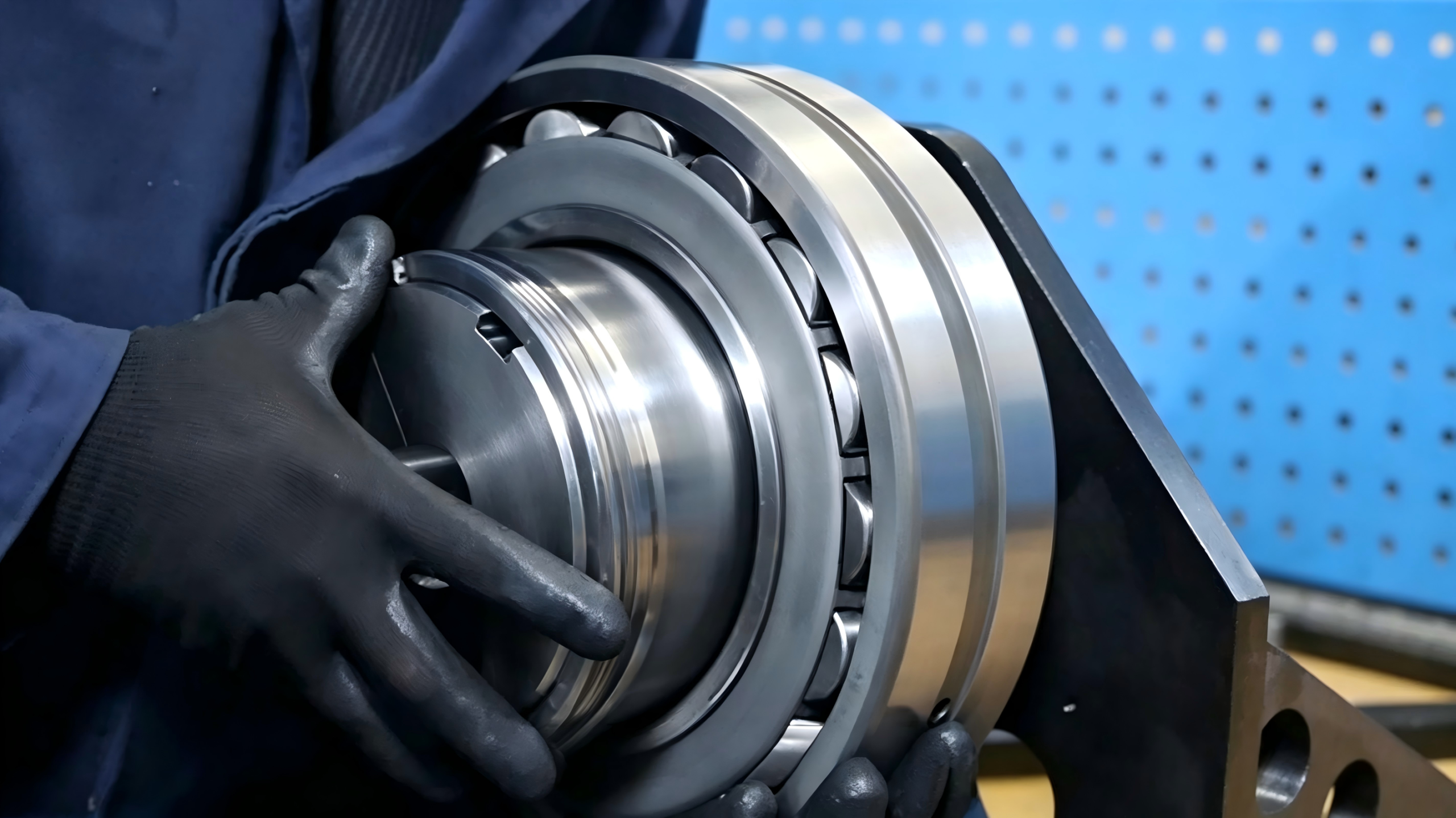
Installation and Maintenance: Proper installation and maintenance are crucial for ensuring the optimal performance of SRBs. Misalignment beyond the allowable limit or inadequate lubrication can lead to premature failure.
Maintenance and Lubrication
To ensure the longevity and reliable performance of spherical roller bearings, regular maintenance and proper lubrication are essential.
Lubrication: Lubrication reduces friction, wear, and heat generation in SRBs. The choice of lubricant—whether grease or oil—depends on the operating environment, load, and speed. Many SRBs are designed with lubrication grooves and holes to facilitate easy relubrication during operation.
Condition Monitoring: Implementing condition monitoring techniques, such as vibration analysis and temperature monitoring, helps detect early signs of bearing wear or failure. This proactive approach allows for timely maintenance, reducing the risk of unexpected breakdowns.
Replacement and Reconditioning: When bearings show signs of significant wear, reconditioning or replacement is necessary. Reconditioning involves cleaning, inspecting, and repairing bearings, which can be a cost-effective alternative to replacement, especially for large, expensive bearings.
Future Trends and Developments
As industries continue to demand higher efficiency, durability, and reliability from their equipment, the development of spherical roller bearings is evolving to meet these needs.
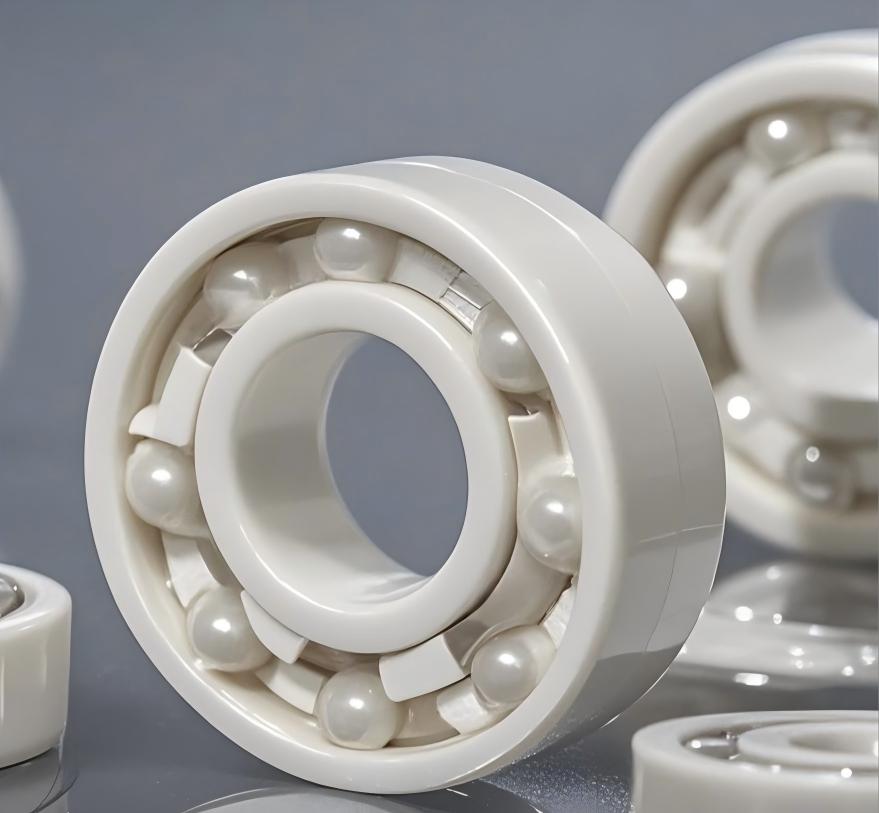
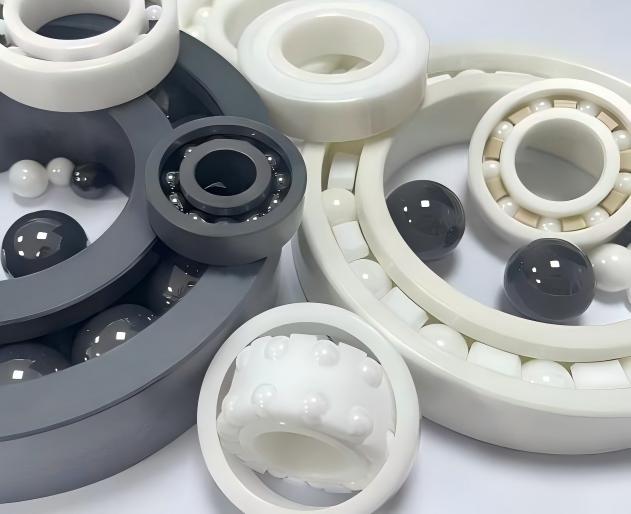
Advanced Materials: Research and development in advanced materials, such as ceramic rollers and hybrid bearings, are aimed at increasing the load capacity and reducing the weight of SRBs.
Smart Bearings: The integration of sensors and IoT technology into SRBs is a growing trend. Smart bearings can provide real-time data on performance parameters such as temperature, vibration, and load, enabling predictive maintenance and reducing downtime.
Eco-Friendly Lubricants: The use of environmentally friendly lubricants is becoming more prevalent, driven by the need to reduce the environmental impact of industrial operations. These lubricants offer similar or superior performance while being biodegradable and less harmful to the environment.
Energy Efficiency: The design of SRBs is also focusing on reducing energy consumption by minimizing friction and optimizing load distribution. These developments are particularly important in applications such as wind turbines, where efficiency directly impacts energy output.
Conclusion
Spherical roller bearings are a vital component in many industrial applications, offering a unique combination of high load capacity, misalignment tolerance, and durability. Their robust design makes them indispensable in industries where reliability and performance under harsh conditions are crucial. While they have some limitations, such as size, weight, and cost, the advantages they offer often outweigh these drawbacks, making them a preferred choice for heavy-duty applications.
As technology advances, spherical roller bearings continue to evolve, with innovations in materials, design, and smart technology paving the way for even more reliable and efficient bearings. With proper maintenance and lubrication, these bearings can provide long-lasting service, contributing to the overall efficiency and sustainability of industrial operations.
In conclusion, spherical roller bearings represent a critical technology in the mechanical and industrial world, ensuring the smooth and reliable operation of equipment in some of the most demanding environments. Their ongoing development will undoubtedly lead to even greater applications and benefits across various industries in the years to come.