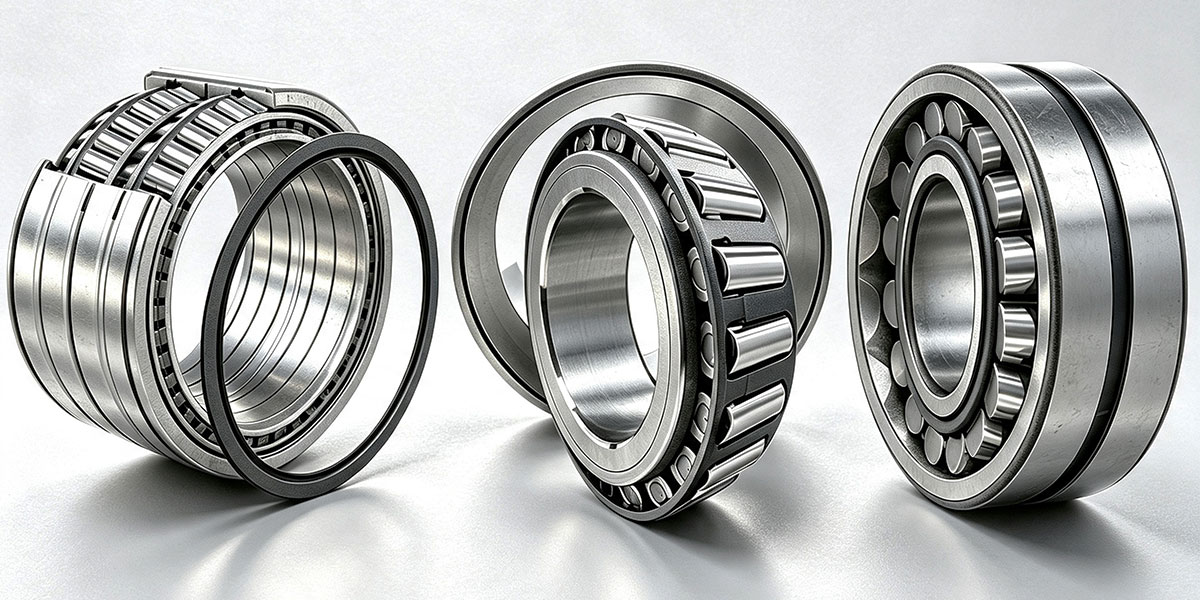
A bearing cage, also known as a bearing retainer or separator, keeps rolling elements evenly spaced, reduces friction, and ensures smooth operation. Although it does not carry the primary load, the cage plays an important role in bearing speed, temperature resistance, noise, and service life.
Choosing the right bearing cage material and design improves reliability and reduces maintenance costs. This guide introduces the most common bearing cage types, materials, and applications.
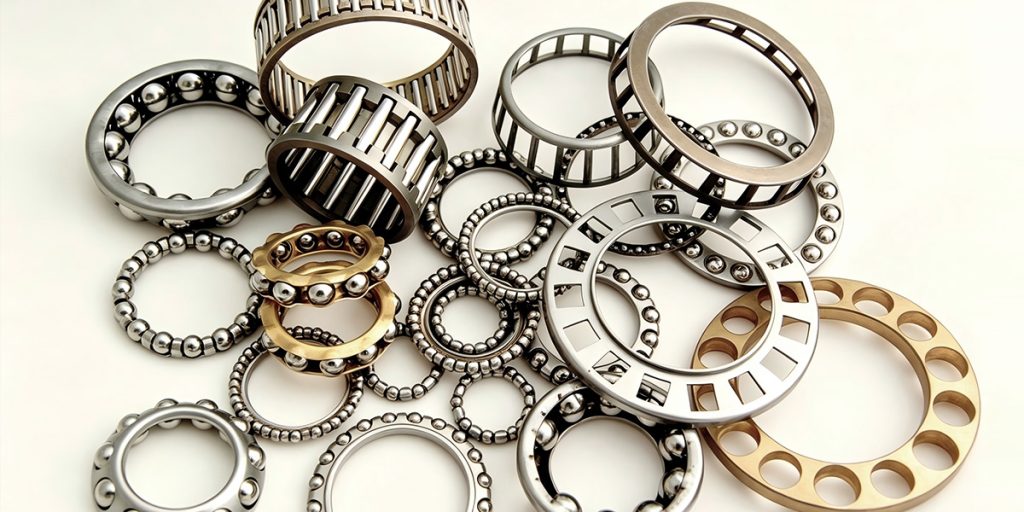
1. Bearing Cage Types by Design
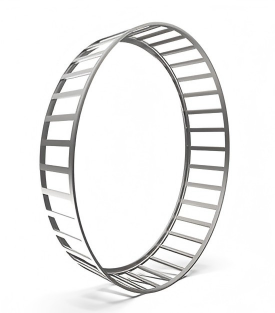
1.1 Stamped Steel Cage
Stamped steel cages are made by pressing steel sheets into shape. They are lightweight, economical, and widely used in standard bearings.
Advantages
- Low cost
- Lightweight
- Low friction
- Suitable for high-volume production
Applications
- Deep groove ball bearings
- Electric motors
- Pumps
- General machinery
1.2 Machined Cage
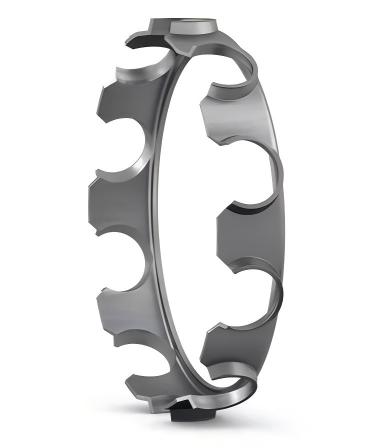
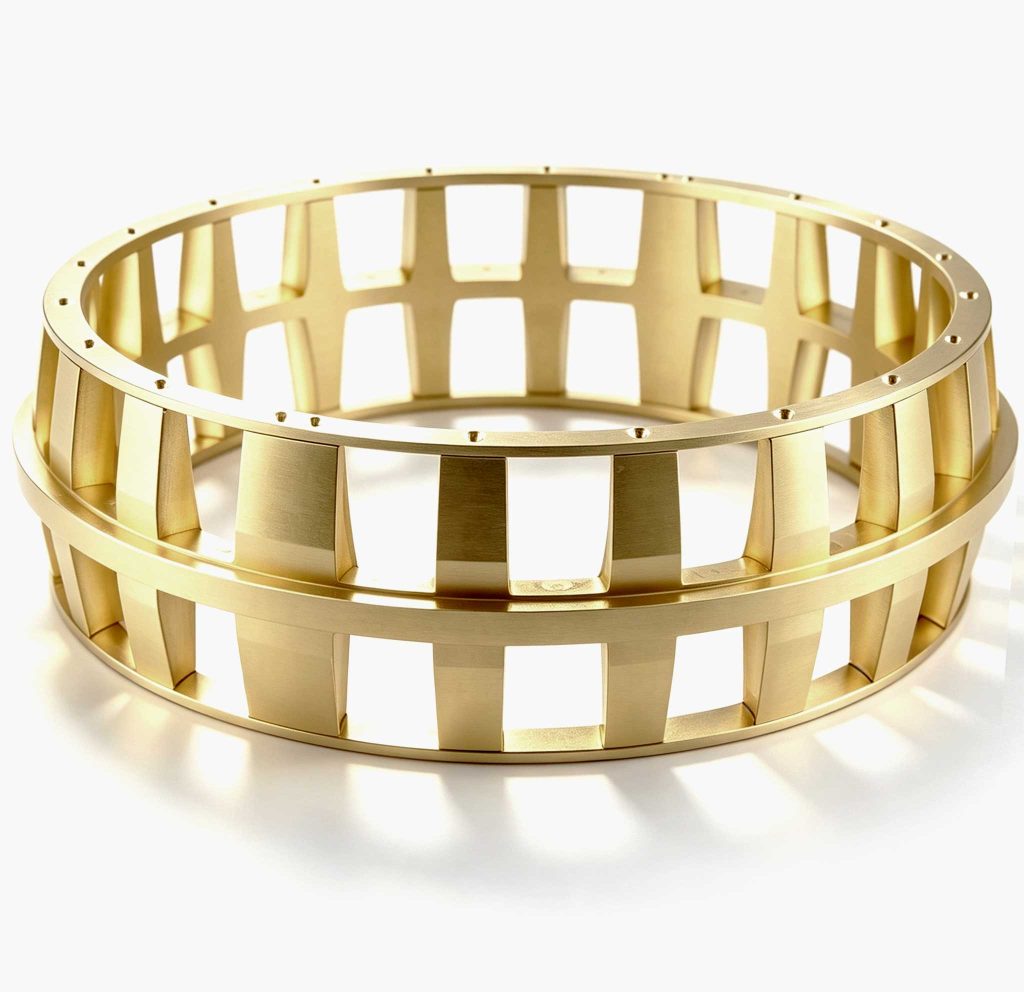
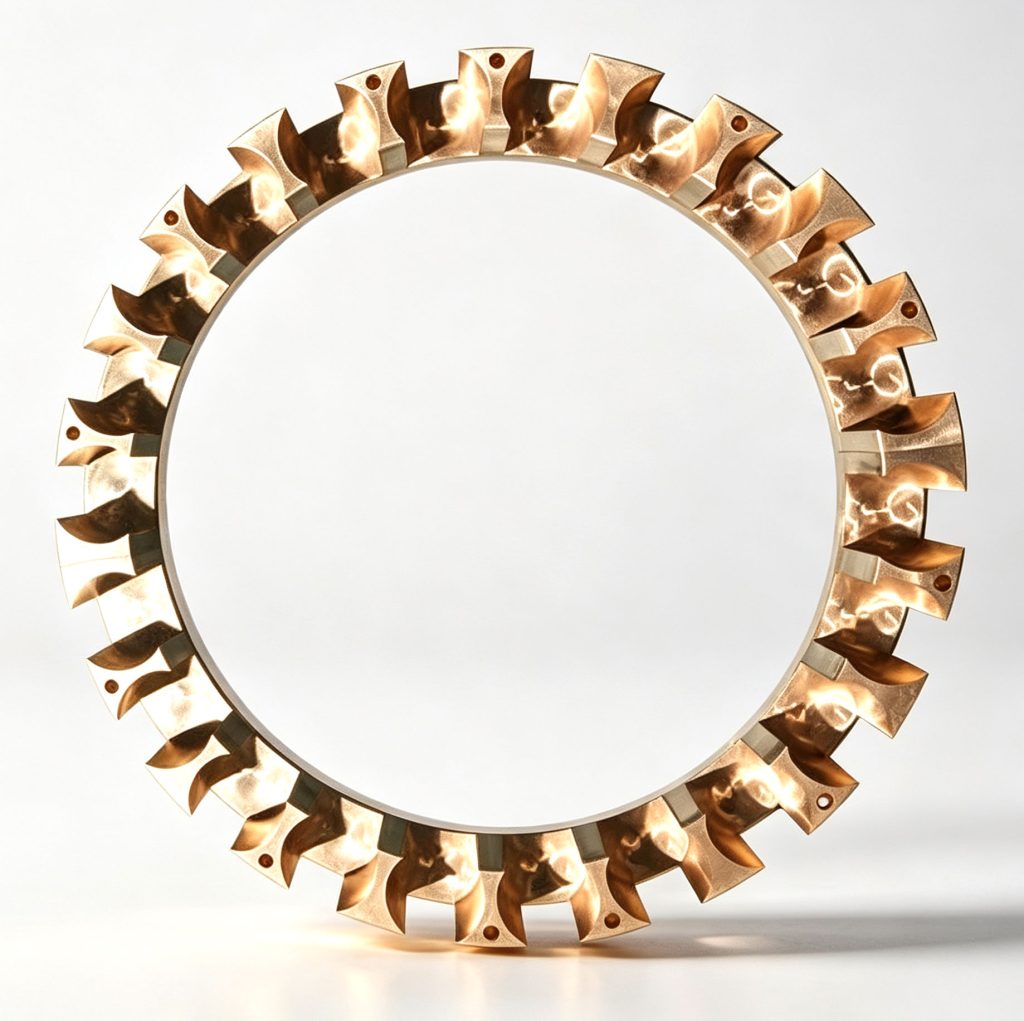
Machined cages are produced from solid metal, offering higher strength and precision than stamped cages.
Brass Cage
Advantages
- Excellent wear resistance
- High temperature resistance
- Suitable for heavy loads
Applications
- Spherical roller bearings
- Cylindrical roller bearings
- Angular contact ball bearings
Steel Cage
Advantages
- High rigidity
- Excellent impact resistance
Applications
- Mining equipment
- Steel mills
- Heavy machinery
1.3 Plastic Cage
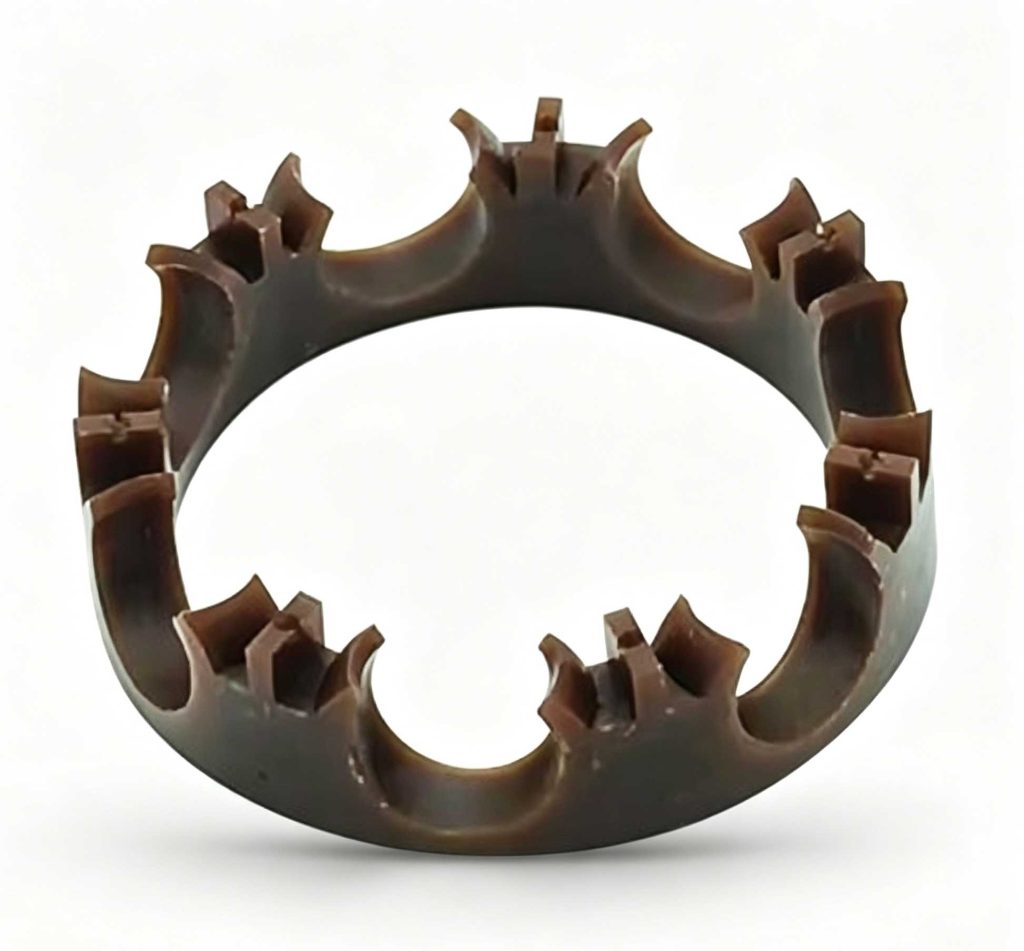
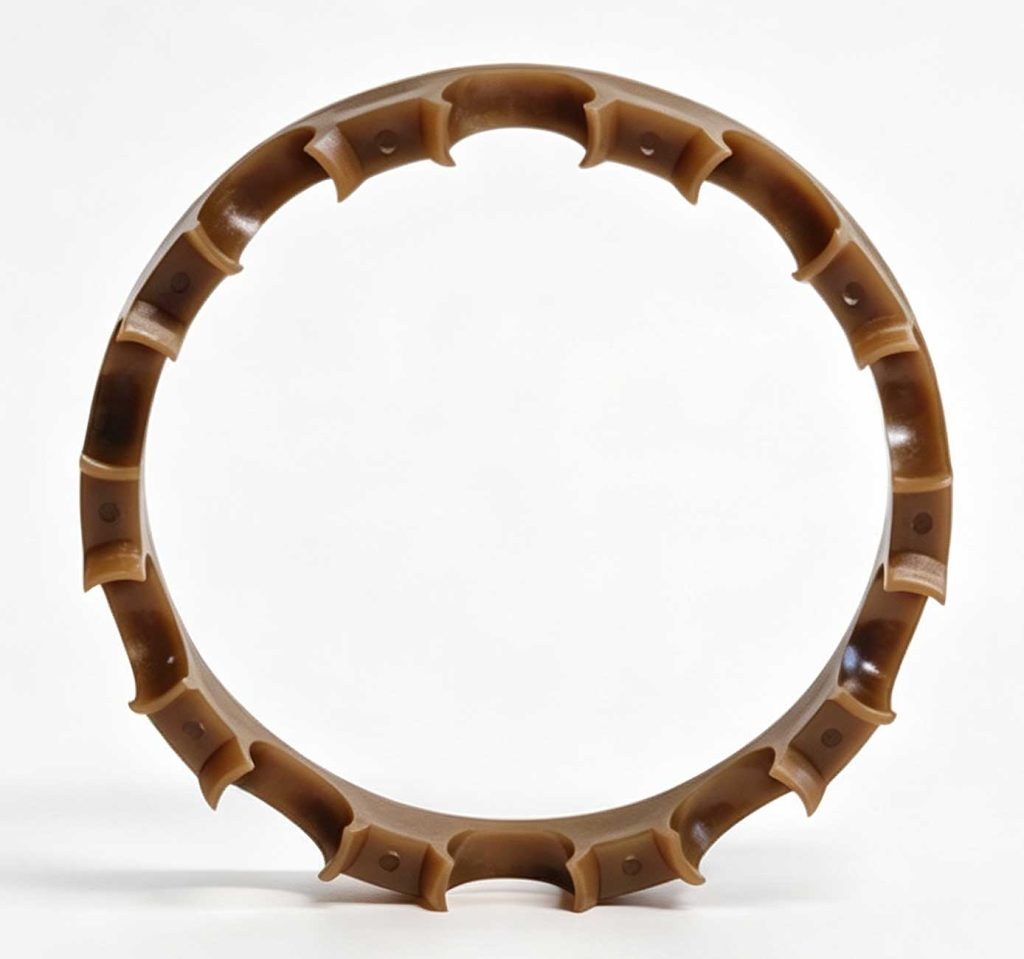
Plastic cages are injection molded and commonly made from glass fiber reinforced PA66 or PEEK.
PA66 Nylon Cage
Advantages
- Low noise
- Low friction
- Corrosion resistance
Applications
- Electric motors
- Household appliances
- Automation equipment
PEEK Cage
Advantages
- Excellent heat resistance
- High-speed capability
- Chemical resistance
Applications
- Aerospace
- High-speed compressors
- Precision machinery
1.4 Assembled Cage
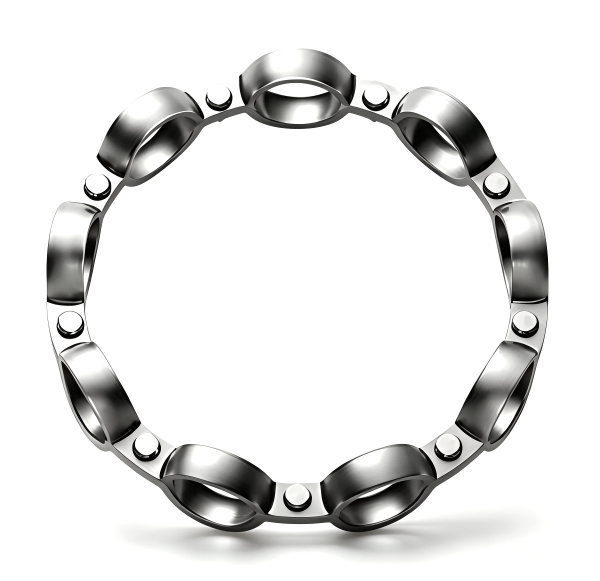
Assembled cages consist of two parts joined together by rivets or bolts.
Applications
- Large spherical roller bearings
- Mining equipment
- Metallurgical machinery
1.5 Pillar (Pin-Type) Cage
Pillar cages use metal pins to guide rollers and are designed for extremely heavy-duty applications.
Applications
- Rolling mills
- Large cranes
- Mining machinery
2. Bearing Cage Materials Comparison
| Material | Main Advantages | Typical Applications |
|---|---|---|
| Stamped Steel | Economical, lightweight | Standard industrial bearings |
| Brass | High strength, wear resistance | Heavy-duty bearings |
| Steel | High rigidity | Mining and steel machinery |
| PA66 Nylon | Low noise, low friction | Motors, automation |
| PEEK | High temperature, high speed | Precision equipment |
| Aluminum Alloy | Lightweight | High-speed machinery |
3. Bearing Cage Selection by Bearing Type
| Bearing Type | Common Cage |
|---|---|
| Deep Groove Ball Bearing | Stamped Steel, Nylon |
| Angular Contact Ball Bearing | Brass, PEEK |
| Cylindrical Roller Bearing | Brass, Steel |
| Spherical Roller Bearing | Brass, Steel |
| Tapered Roller Bearing | Stamped Steel |
4. Common Bearing Cage Codes
| Code | Cage Type |
|---|---|
| C | Stamped Steel |
| M | Machined Brass |
| TN / TN9 | Glass Fiber Reinforced Nylon |
| S | Machined Steel |
| L | Aluminum Alloy |
| PEEK | High-Performance Plastic |
Note: Cage codes may vary by manufacturer.
5. How to Choose the Right Bearing Cage
Choose the cage according to your operating conditions:
- High Speed: PEEK, Brass, Aluminum
- Heavy Load: Brass, Steel
- Low Noise: PA66 Nylon, PEEK
- High Temperature: Brass, PEEK
- Cost-Sensitive Applications: Stamped Steel
Frequently Asked Questions
- What is the purpose of a bearing cage?
A bearing cage separates rolling elements, maintains equal spacing, reduces friction, and guides smooth bearing operation.
- Which bearing cage material is best?
It depends on the application:
Brass for heavy loads
Nylon for low noise
PEEK for high speed and high temperature
Stamped steel for general industrial use
- What is the difference between stamped and machined bearing cages?
Stamped cages are lighter and more economical, while machined cages offer higher strength, better accuracy, and improved durability under demanding operating conditions.
- Are nylon bearing cages durable?
Yes. Glass fiber reinforced PA66 cages provide excellent wear resistance, low friction, and low noise for most industrial applications, but they are not suitable for prolonged high-temperature environments.
Conclusion
The right bearing cage type can significantly improve bearing performance and service life.
- Stamped steel cages are ideal for standard industrial applications.
- Brass and steel cages offer excellent strength for heavy-duty equipment.
- Nylon and PEEK cages provide low noise and outstanding performance in high-speed environments.
Selecting the appropriate cage material based on operating conditions helps improve reliability, reduce maintenance costs, and extend bearing life.
Need a reliable bearing supplier? MBY offers a wide range of rolling bearings with stamped steel, brass, steel, nylon, and customized cage options for OEM and industrial applications.